Standoff after government humiliated in secret courts vote
By Charles MaggsFollow @charlesmaggs
The government is considering its next step after it was humiliatingly defeated in a series of votes on secret courts in the Lords last night.
Ken Clarke is considering the changes made by Lords, as a coalition of civil liberties campaigners and legal experts raised concerns about his plans to allow court proceeding to be held in private where national security issues were at stake.
"It is really important that these civil damages claims are heard properly by a judge which they cannot be at the moment," he said.


"The House of Lords has accepted that closed procedures are indeed necessary if national security evidence is to be heard. I will look carefully at these amendments which do not immediately seem to me disastrous, but may well need to be modified."
This is the third time that the justice and security bill has been rejected by the Upper House after Labour and Liberal Democrat peers joined with crossbenchers to halt the legislation.
Under the Lords amendments, judges would have greater discretion to hold secret hearings rather than being obliged to do so. They would also be given the right to demand closed material proceedings – as would defendants.
Peers also accepted amendments ensuring closed proceedings were only ever used as a last resort.
Crossbench peer Lord Pannick, who tabled the amendment, said: "Judicial decisions are respected precisely because all the evidence is heard in open court subject to acceptance and judges give a reasoned judgement which explains their decision."
The move may further strain the coalition, with Liberal Democrats and some Conservative backbenchers opposing the government.
But Conservative MP and member of the intelligence and security committee Mark Field argued on the Conservativehome website that the courts are a "necessary evil".
He said the number of people attempting to sue the government increased because claimants know that evidence from intelligence services cannot be aired in open court, which makes it difficult for the government to defend itself and the anonymity of its agents.
"Many human rights lawyers (who often fail to point out their generous fees from such cases) and our enemies point to settlements as a mark of the government's guilt," he said.
"Those that threaten our security are quick to turn such cases into propaganda coups."
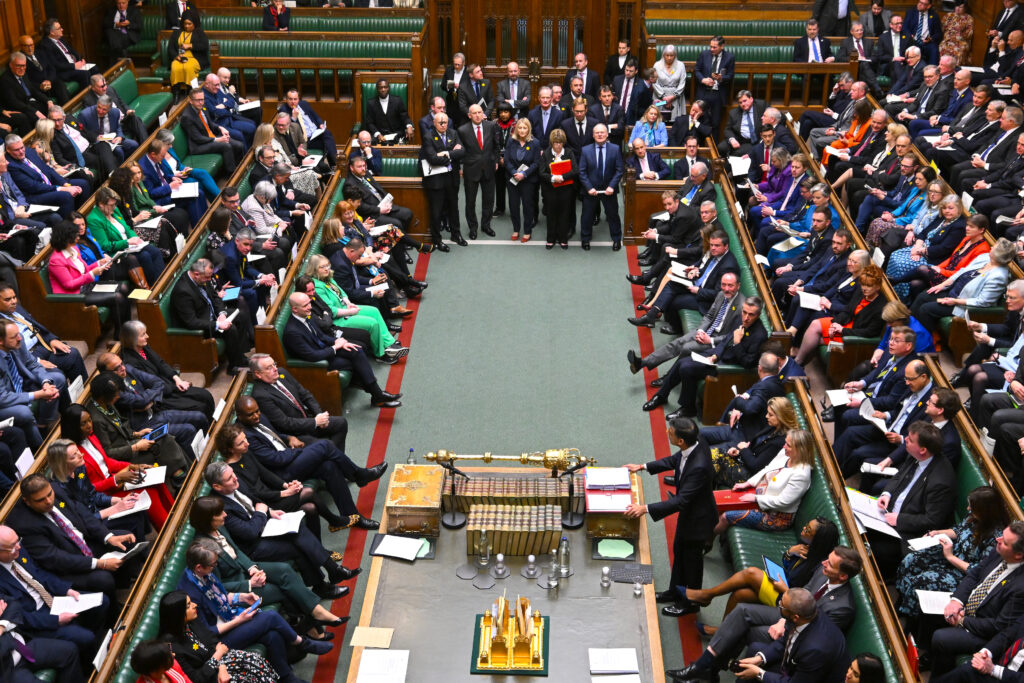
The amended bill will now return to the Commons once again, and the government can decided whether to accept the changes or send it back to the Lords in its original form.