Competition suspicion for bus services
By Alex Stevenson
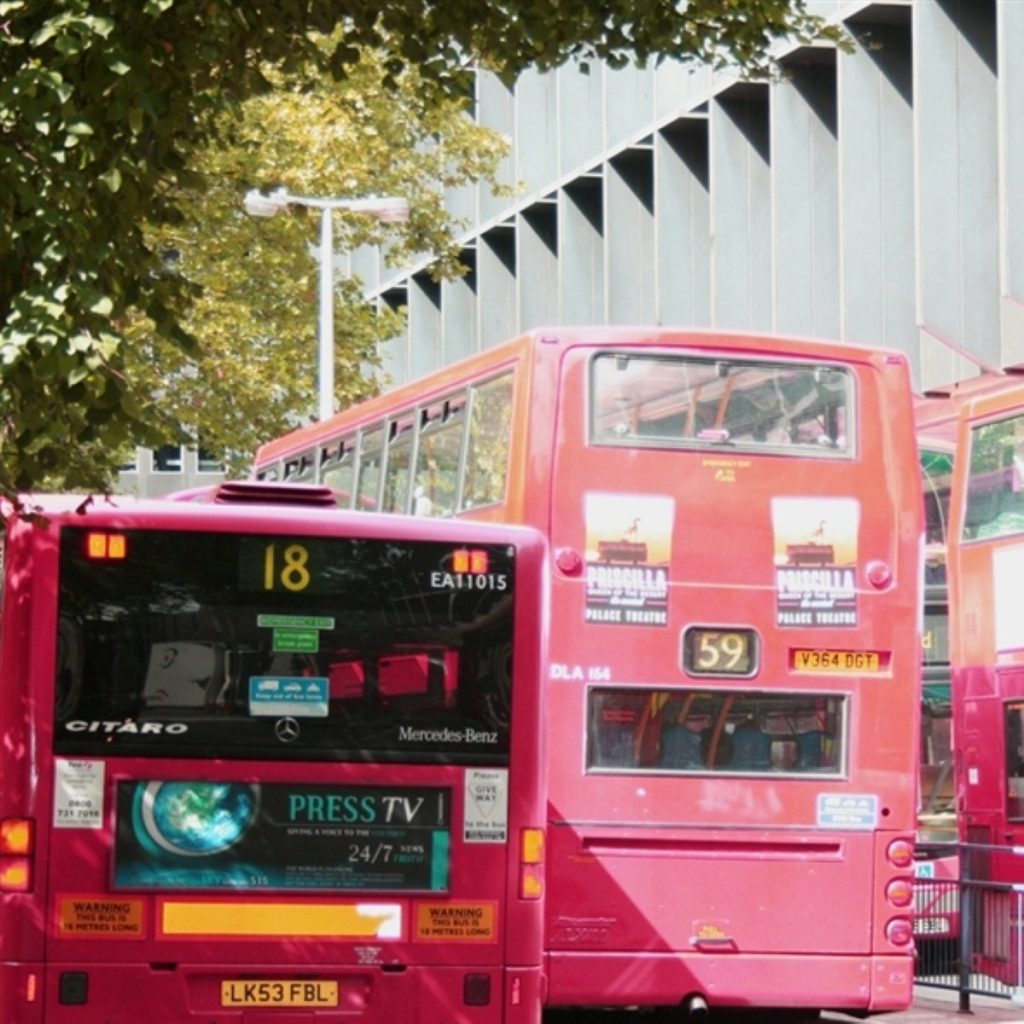
Bus users could be paying too much because of a lack of competition, a watchdog has said.
The Office of Fair Trading (OFT) has referred the supply of local bus services to the Competition Commission (CC) because it fears in many areas across the country there is a lack of sufficient competition.
Even those who do not use buses are affected because an estimated £1.2 billion of the £3.6 billion industry is subsidised from the public purse.


In addition to the obvious problems – when most services are provided by a small number of large bus companies – the OFT’s five-month probe found many people complaining about “predatory behaviour of incumbent firms designed to eliminate competition from new entrants”.
OFT’s chief executive John Fingleton said the market was “often not working as well as it should”.
The Liberal Democrats’ transport spokesman Norman Baker agreed, describing the investigation as “long overdue”.
“Far from creating a flourishing and competitive bus market, in many areas of the country deregulation has created high fares and a dwindling number of routes,” he said.
“Outside the big cities, buses are often virtually non-existent and where they do run they’re infrequent and expensive.”
The CC recently stepped in to address the issue in a specific case. On August 6th it concluded Stagecoach’s purchase of two previously competing bus companies in Eastbourne would lead to a “substantial lessening of competition”.
Passengers may find themselves facing, in the short-term at least, higher ticket prices than they should, but at least under government proposals out today they may find the ticket-buying process easier.
The Department for Transport proposes expanding the use of ‘swipe and go’ payments like the Oyster card currently in use in London across the country, making paper travel tickets “a thing of the past”.
“Experience has shown that smart ticketing can be a key part of offering a 21st century public transport system,” transport minister Sadiq Khan said.
“And of course the easier it is to use public transport, the more people will do so, which is why I want to see a universal coverage of smart ticketing on all modes of public transport in England as quickly as possible.”
In London Oyster cards are used for 78 per cent of bus and tube journeys. By rolling out similar measures nationwide – including enabling mobile phones as ‘swipe-and-go’ cards – benefits could reach as much as £2 billion.