Drugs classification system ‘remains effective’
The government has today rejected calls for a change in the way illegal drugs are classified, saying the current system is coherent and effective.
MPs on the science and technology committee had called for the ABC system of classification to be scrapped, saying decisions on how to class drugs such as cannabis and ecstasy were taken on a “disconcertingly ad hoc” basis.
But Home Office minister Vernon Coaker said that during meetings with policemen, victims of crime and drug addicts over the past few months, “none of them have raised the classification system as a concern that affects them with me”.
He argued: “It is important that there is a coherent system in place to categorise drugs and determine the penalties for their manufacture, possession and supply.


“I believe that the existing classification system does this effectively, allowing for clear and meaningful distinctions to be made between drugs.”
Mr Coaker added: “I believe it is vital that we focus our energies on tackling drugs supply, getting more drug users into treatment and educating young people about the dangers of drugs.”
His announcement comes as new Home Office figures reveal overall drug use has fallen significantly in the past year, although cocaine use has gone up. Class A drug use among 16 to 59-year-olds has risen since 1998 but remained stable among 16 to 24-year-olds.
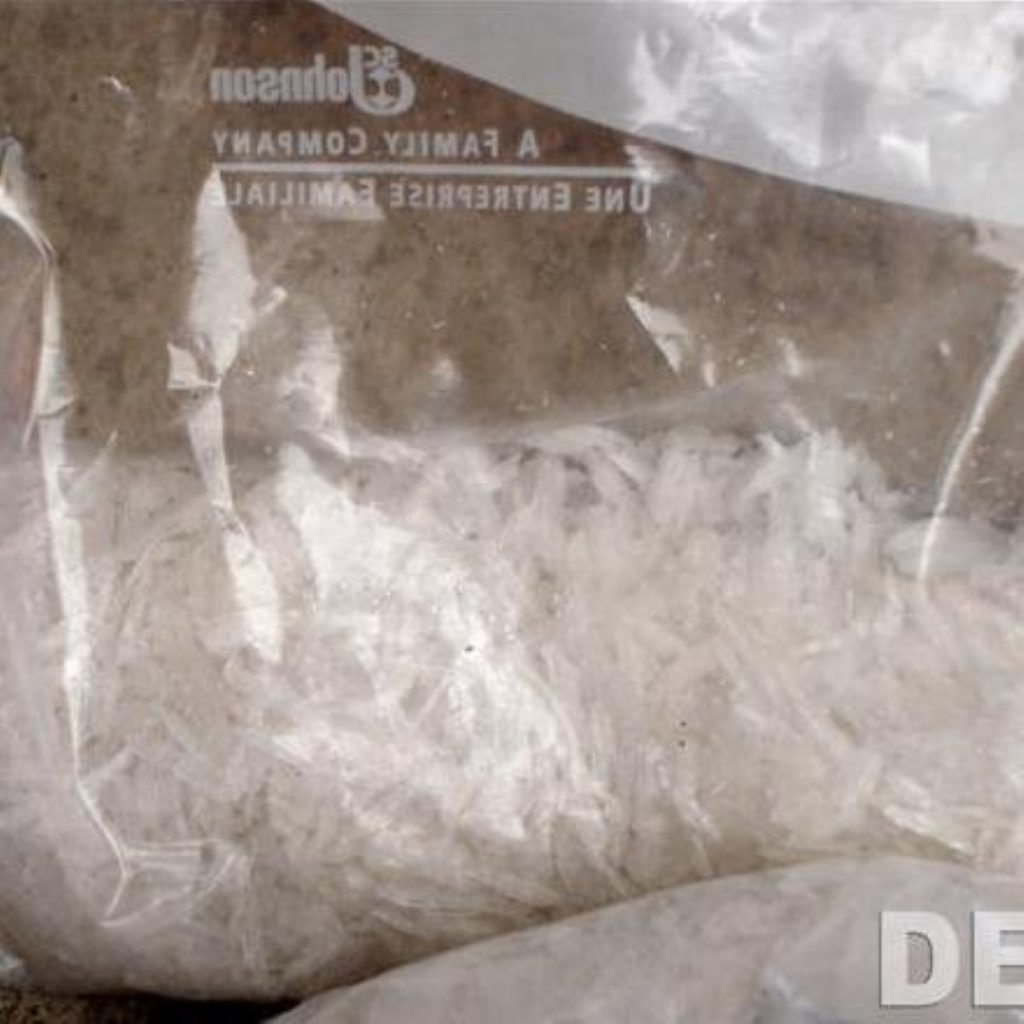
Mr Coaker also announced that crystal meth, a highly-addictive drug that gives a similar rush to crack cocaine, had been reclassified from class A to class B. The move followed advice from the Advisory Council on the Misuse of Drugs (ACMD) earlier this year.
Shadow home secretary David Davis welcomed the move but said it was “just the latest twist and turn in the government’s drug policy”.
He said: “This chaos and confusion has led to people thinking it is OK to take drugs with a whole generation of young people suffering the consequences.”
The science and technology committee had used the classification of crystal meth as an example of how “ad hoc” the ABC system was, noting that the ACMD refused to upgrade the drug only last December, but changed its mind six months later.
The MPs said the council was aware of the serious harm the drug could cause but originally feared making it class A might raise its profile and therefore its use. It warned this was a political judgment that muddied the waters on what the council’s aims were.
However, today ACMD hit back, saying the committee report was marred by “errors and misconceptions”, particularly in the accusation that the council did not spent enough time assessing social harm of drugs.
“Social factors are at the heart of the ACMD’s work and these are fully reflected in our reports,” said chairman Michael Rawlins, adding that it was “gratifying” that ministers continued to recognise the council’s contributions to drugs policy.
Mr Coaker also announced today that, following a consultation, the government would not be setting a national threshold for how many drugs someone can possess without being charged with dealing. However, he said this would remain in review.
He suggested such a threshold might increase the burden on police forces who were already doing “effective work”, adding that the Association of Chief Police Officers (Acpo) confirmed that not apply it should not adversely affect their work.