Last-ditch bid to save chief coroner post
By Alex Stevenson Follow @alex__stevenson
A Conservative MP is spearheading a bid to save the Office of the Chief Coroner (OCC) in the Commons later.
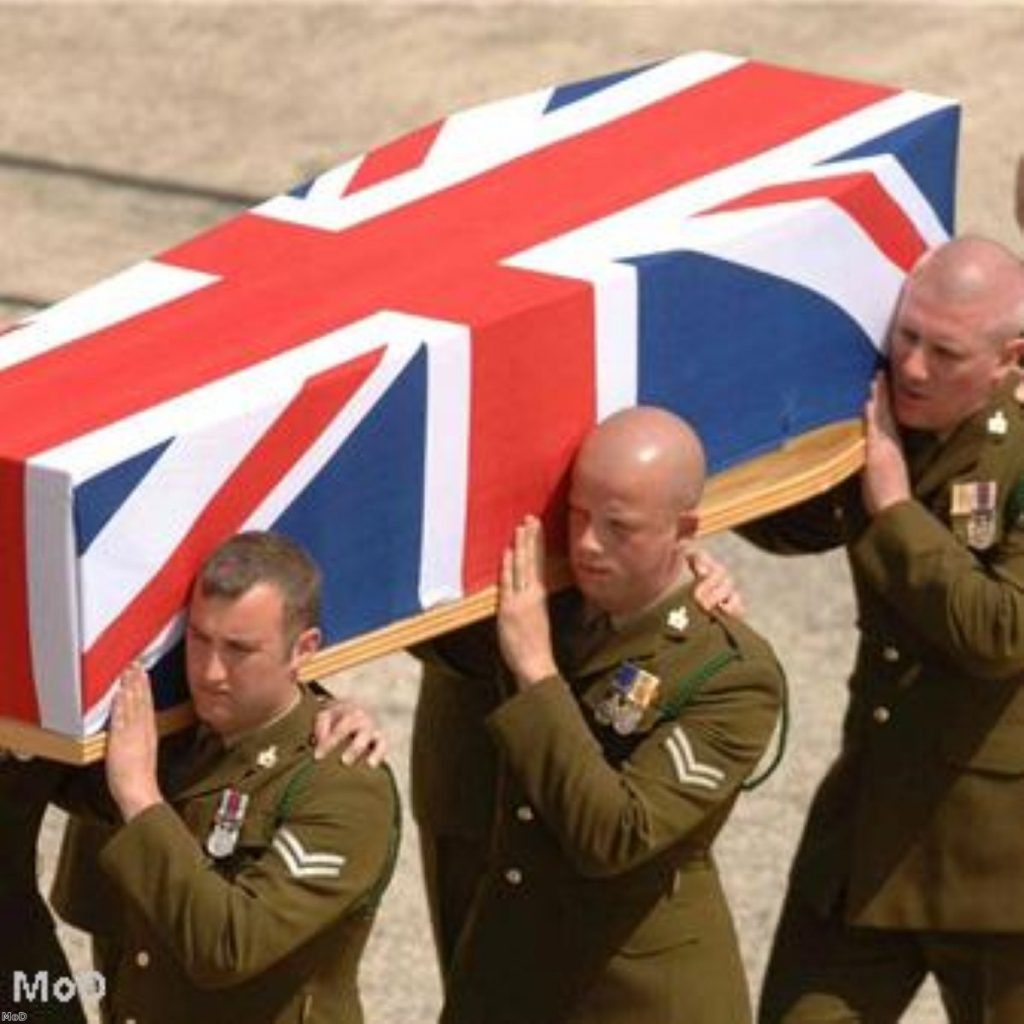
Andrew Percy will argue the post, which was created by New Labour but was never fully introduced, is essential to improving bereaved armed forces families' experiences of military inquests.
The OCC is being scrapped in the public bodies bill, the legislation implementing David Cameron's 'bonfire of the quangos'.


But campaigners say reforms of the inquest system are essential and are pushing for an alternative timetable for their full implementation.
"Parliament recognised that the inquest system is in urgent need of reform when it passed the Coroners and Justice Act just two years ago with cross-party support," Inquest co-director Helen Shaw said.
"We cannot allow short term financial considerations to throw the years of thoughtful work reflected in the legislation onto the so-called 'bonfire of the quangos.'
"Each year tens of thousands of bereaved families are forced to endure lengthy delays and an archaic, unaccountable and inefficient system which also leaves the coronial service unable to fulfil its vital function of preventing unnecessary deaths."
The chief coroner post was introduced as part of the Coroners and Justice Act 2009. Senior circuit judge Peter Thornton was appointed but never took up his duties, as the coalition sought to save the £10 million start-up costs. Annual running costs for the office are estimated at £6.5 million.
"Honouring the commitment to create the office of chief coroner is the first test of the new military covenant – that bond between the nation and our armed forces," shadow Cabinet Office minister Michael Dugher will say in the Commons debate later.
"To fail in their duty to meet that test, would make a mockery of the government's assurances of greater support for our military and their families."
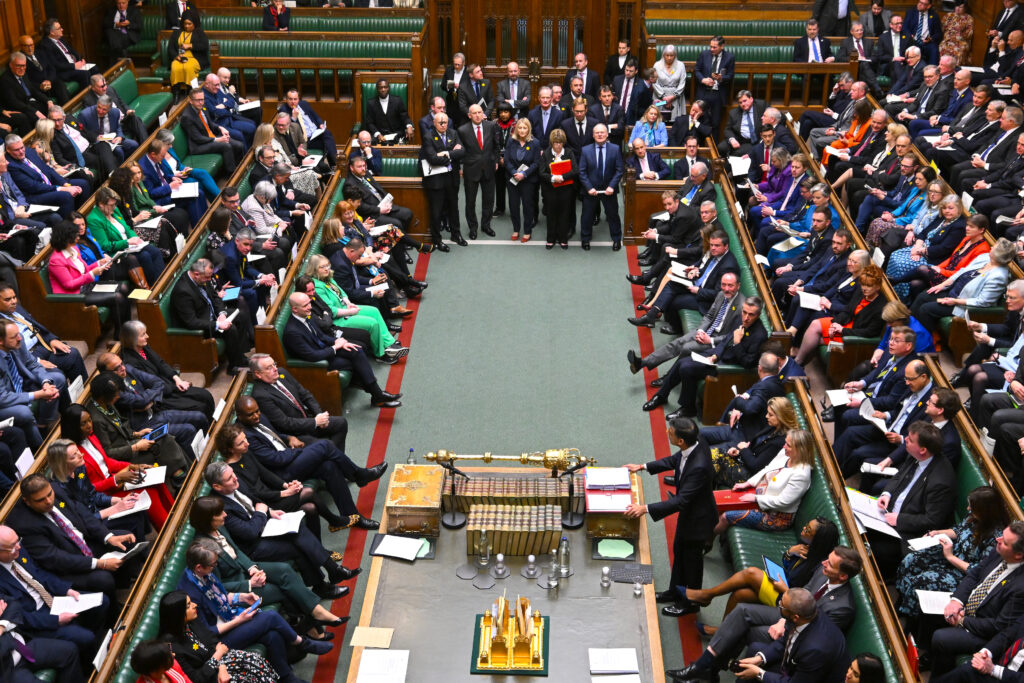
The public bodies bill receives its report stage and third reading in the Commons today. Having already passed through the Lords, where an earlier attempt to amend the bill failed, it is now close to becoming law.
Under coalition plans a new national charter will be unveiled early next year which will set standards that bereaved families can expect to receive from the coronial service.
"Our proposals will create significant improvements to the coronial system without the expense of setting up a new post of chief coroner," a Ministry of Justice spokesperson said.
"They will ensure that bereaved loved ones can have a direct say in the running of the system, through a new committee, and that most of the chief coroner functions will be transferred to the lord chancellor or the lord chief justice."