MPs debate plans for trial without jury

Wednesday, 29 November 2006 12:00 AM

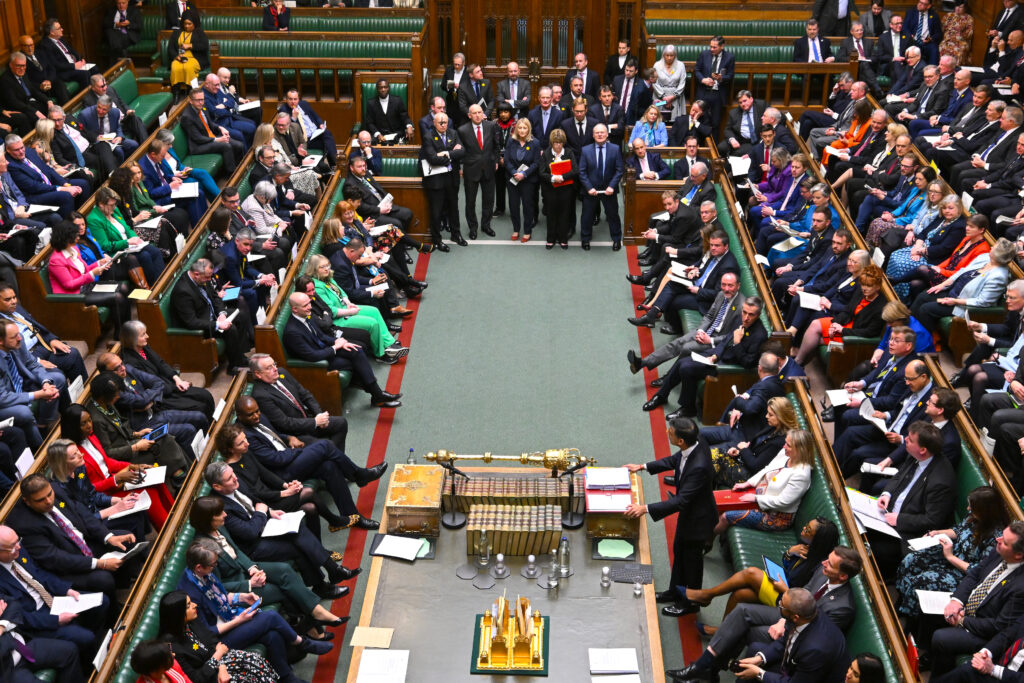
Controversial legislation proposing to abolish trial by jury in complex fraud cases will be debated for the first time in the Commons today.

The fraud (trails without jury) bill would allow cases to be heard by a high court judge alone, in an effort to improve the way major fraud trials are carried out.

Ministers argue that at present, prosecutors have to limit the amount of evidence put before a jury in the interests of time and the sheer volume of information, which means defendants are not always tried on charges that fully reflect the allegations against them.

They also warn that the kind of people who can serve on the jury lasting months - 18 trials between 2002 and 2005 ran for over six months and eight lasted over a year - means it is not fully representative of society.

However, the Conservatives and the Liberal Democrats have promised to oppose the bill when it has its second reading tomorrow.

A Tory spokesman told politics.co.uk the proposals were an "ineffective, authoritarian, knee-jerk response" to difficulties faced in major fraud trials. And Lib Dem president Simon Hughes has warned the plans would create a "two-tier justice system".

Calls for a change in the law followed the collapse of the Jubilee line fraud case in March 2005, after 18 months and about £60 million spent. The jury had to be discharged after it was decided that lengthy delays and other problems made a fair trial impossible.

However, critics of the new bill point out the Wooler report into the trial cited the lack of a clear strategy by the prosecution as the main reason for its collapse, not the jury.

Civil liberties group Liberty warned last night that any attempt to limit the right of jury trial would "dangerously undermine public confidence in our criminal justice system", and urged MPs to vote against the bill.

Policy director Gareth Crossman said: "Fraud cases are not unique in being lengthy and complex - justifications to remove juries from other types of cases are sure to follow."

The fraud (trial without jury) bill would remove section 43 of the Criminal Justice Act 2003, which only allows trials without juries if both Houses of Parliament agree. Any decision to hold a juryless trial would have to be approved by the lord chief justice.

Home Office minister Joan Ryan said earlier this month: "Let me be clear, trial by jury remains at the heart of the criminal justice system, but it is not right that the greater the scale and complexity of a fraud, the less likelihood there is of a successful prosecution.

"We cannot accept a double standard of easy-to-prosecute petty frauds and unprosecutable major frauds."

Serious about politics?

City University London

Dedicate one year of your life to getting to the heart of current issues in global politics. Our courses allow you to specialise in development and policy-making, international relations, and political journalism and communications.

Special event coverage

ESRC logo

Festival of Social Sciences: Celebrating the Social Sciences

Evidence-based policy should not be a radical concept. It needs to be celebrated.

ESRC logo

Festival of Social Sciences: 2 languages: 2 brains, 2 minds, 2 cultures?

As part of the ESRC Festival of Social Sciences, the Deafness Cognition And Language Research Centre (DCAL) hosted an event exploring the powerful benefits of bilingualism in spoken and sign languages, for hearing and deaf people alike - benefits that reach hearing and deaf people alike.

Opinion Former Events

NHF: Leaders’ Forum and Exhibition 2012

This flagship event is a forum for chief executives and chairs of the housing sector to network with each other and learn from a range of high-profile and inspirational speakers from media, political and housing backgrounds. It takes place in Park Plaza Victoria, London.

TACT: Foetal Alcohol Spectrum Disorder (FASD): how to support affected children

Foetal Alcohol Spectrum Disorder (FASD) is an incurable lifelong condition arising from brain damage caused by maternal alcohol consumption during pregnancy. The effects may include physical, mental, behavioural and learning disabilities. However, if diagnosed, the right strategies can transform the lives of those affected. This new Guardian Social Care Network half-day seminar in association with TACT Fostering and Adoption will explain the condition and show what can be done to help.

bpas: Abortion in the US: Popularity, Politics and Practice

We often hear of the ‘Americanisation’ of abortion politics in the UK, but unpicking the substantive threats to women’s reproductive rights in the US can be a challenge. The 2012 bpas public lecture will explore the current state of abortion politics in the US and, at a time when abortion appears increasingly politicised in the UK, reflect on what lessons can be drawn by those keen to protect women’s reproductive autonomy elsewhere.

Cogent SSC: UK Nuclear Skills Awards - 22nd March 2012

The UK Nuclear Awards is steadily becoming an anticipated annual event in the Nuclear calendar. The National Skills Academy for Nuclear and Cogent Sector Skills Council are preparing to hold their fourth collaborative Skills Awards Evening for the industry.

BSIA: Information Destruction Exhibition and Conference

This one-day event is targeted at professionals operating in the information destruction industry, and aims at keeping delegates updated on recent developments in their sector, providing an opportunity to network with fellow professionals, whilst offering access to an informative exhibition and a comprehensive conference programme.

Take the Gold Challenge for St Dunstan's

We provide lifelong support for blind and visually impaired ex-Service men and women. You can help give more blind heroes an independent future by taking the Gold Challenge

Newsletter sign up

By signing-up you agree to the terms of use and privacy policy.

Unsubscribe