'Fraction' of CO2 cuts driven by govt

Wednesday, 15 July 2009 5:08 PM

By Alex Stevenson

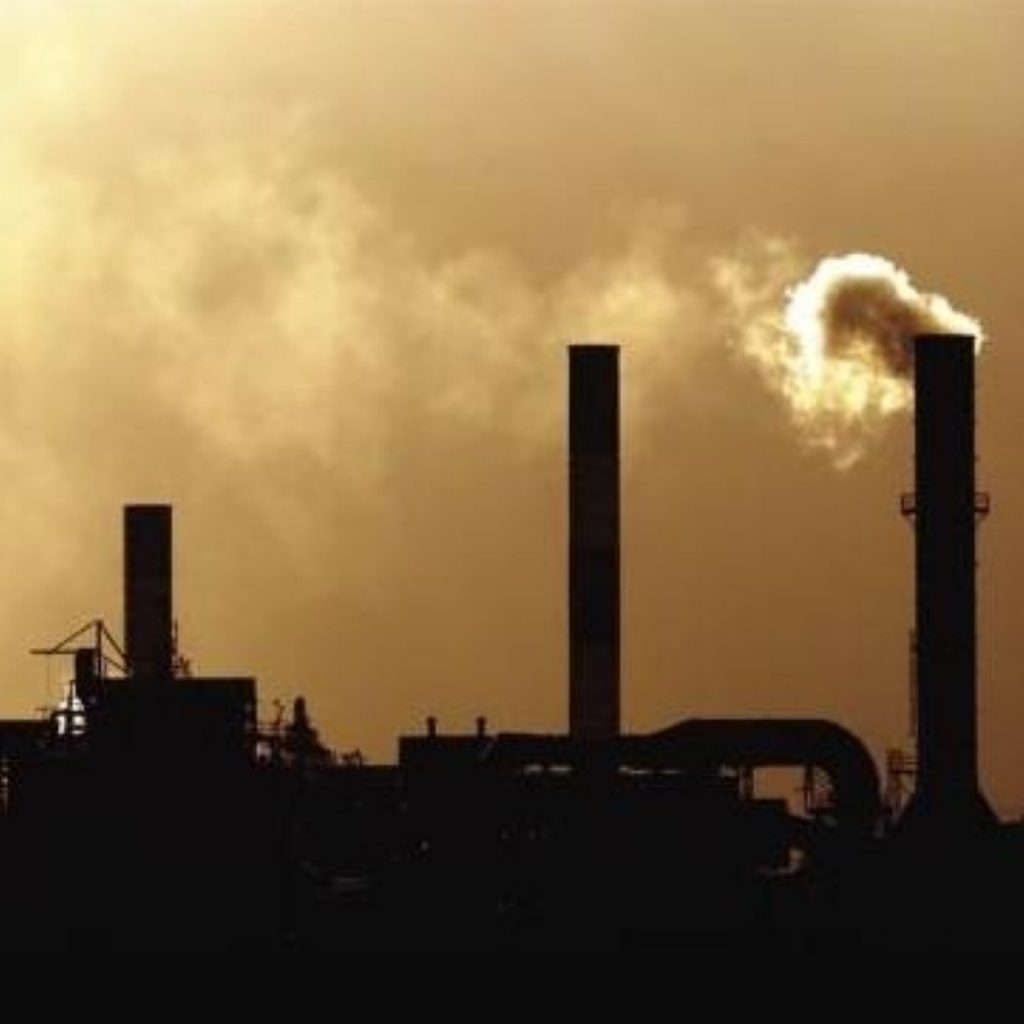
The government's climate change policies have been responsible for just 15 per cent of emissions reductions between 1990 and 2006, it has emerged.

Coming in the week the government uses a major white paper to outline how it plans to meet its commitments to cutting CO2 emissions by 80 per cent by 2050, the admission has raised eyebrows among campaigners.

Climate change minister Joan Ruddock revealed the figures in an answer to a question tabled by Labour backbencher Colin Challen, chairman of the all-party group on climate change.


Improvements in energy efficiency, structural changes in the economy and lower carbon fuels were together responsible for 20 per cent, 30 per cent and 25 per cent of the reductions.

Ms Ruddock wrote: "The direct effect of government policies overlaps with the estimates given above and is likely to have accounted for about 15 per cent."

The remaining 25 per cent of cuts were attributed to lower emissions of greenhouse gases other than CO2. The emissions trading scheme, not included in the estimates, would have increased the reduction by about ten per cent.

Mr Challen said the government should be "commended for being very honest" about the figures.

He told politics.co.uk that ministers had achieved "quite a lot with a little effort" and called on them to make good their rhetoric with action in today's proposals.

"If we doubled our effort or trebled it then we could really take off and demonstrate the practicability and the affordability of these new technologies. I'll be looking for a sign of that level of effort in. [today's] white paper," Mr Challen added.

He was critical of the international community's efforts to make progress as the crucial summit in Copenhagen this December draws nearer, saying a "hell of a push" was needed in the coming months.

"The kind of half-measures which governments in the developed world generally have been making really need to be thrown out and replaced with some full-blooded enthusiasm for renewable energy, energy efficiency and so on," he said

Recent analysis by HSBC has shown that across the EU countries are making about 14 per cent of their economic stimulus packages specifically green.

"I don't think that's enough and I don't think that will convince people in the developing world we're serious about tackling climate change," he warned.

"In Germany, renewable energy has created around 300,000 jobs. That is just the kind of thing we need a sign of. [in today's white paper], and if that's not there we need to ask why not."

Today's low carbon strategy sees the government unveil its plans on cutting carbon emissions by a third by 2020.

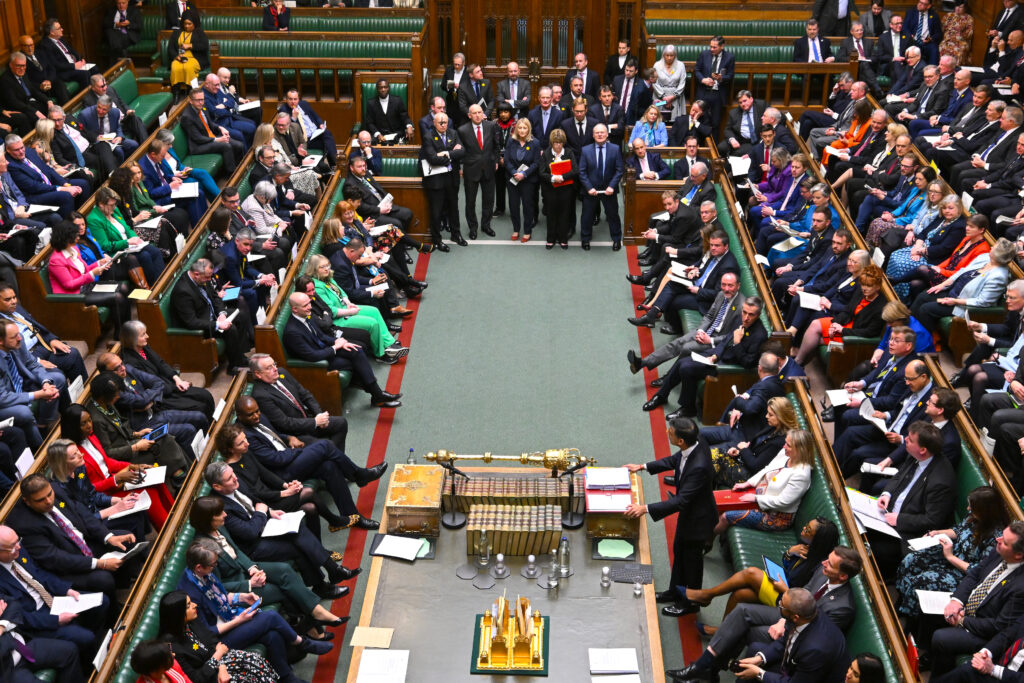
The UK Low Carbon Transition Plan will be published after climate change secretary Ed Miliband reveals its details to the Commons after prime minister's questions at 12:30 BST.

Serious about politics?

City University London

Dedicate one year of your life to getting to the heart of current issues in global politics. Our courses allow you to specialise in development and policy-making, international relations, and political journalism and communications.

Special event coverage

ESRC logo

Festival of Social Sciences: Celebrating the Social Sciences

Evidence-based policy should not be a radical concept. It needs to be celebrated.

ESRC logo

Festival of Social Sciences: 2 languages: 2 brains, 2 minds, 2 cultures?

As part of the ESRC Festival of Social Sciences, the Deafness Cognition And Language Research Centre (DCAL) hosted an event exploring the powerful benefits of bilingualism in spoken and sign languages, for hearing and deaf people alike - benefits that reach hearing and deaf people alike.

Opinion Former Events

BHA: Creation: synthetic biology and the origin of life

Creation: synthetic biology and the origin of life - BHA 2012 Darwin Day Lecture

NHF: Leaders’ Forum and Exhibition 2012

This flagship event is a forum for chief executives and chairs of the housing sector to network with each other and learn from a range of high-profile and inspirational speakers from media, political and housing backgrounds. It takes place in Park Plaza Victoria, London.

TACT: Foetal Alcohol Spectrum Disorder (FASD): how to support affected children

Foetal Alcohol Spectrum Disorder (FASD) is an incurable lifelong condition arising from brain damage caused by maternal alcohol consumption during pregnancy. The effects may include physical, mental, behavioural and learning disabilities. However, if diagnosed, the right strategies can transform the lives of those affected. This new Guardian Social Care Network half-day seminar in association with TACT Fostering and Adoption will explain the condition and show what can be done to help.

Cogent SSC: UK Nuclear Skills Awards - 22nd March 2012

The UK Nuclear Awards is steadily becoming an anticipated annual event in the Nuclear calendar. The National Skills Academy for Nuclear and Cogent Sector Skills Council are preparing to hold their fourth collaborative Skills Awards Evening for the industry.

BSIA: Information Destruction Exhibition and Conference

This one-day event is targeted at professionals operating in the information destruction industry, and aims at keeping delegates updated on recent developments in their sector, providing an opportunity to network with fellow professionals, whilst offering access to an informative exhibition and a comprehensive conference programme.

Take the Gold Challenge for St Dunstan's

We provide lifelong support for blind and visually impaired ex-Service men and women. You can help give more blind heroes an independent future by taking the Gold Challenge

Newsletter sign up

By signing-up you agree to the terms of use and privacy policy.

Unsubscribe