Boundary changes: More chaos to come
Warnings that the boundary changes chaos isn't just going to be a one-off have been around for a while. But they're increasing in intensity and frequency, as the latest one – from the University of Bristol's Ron Johnson – shows.
The current chaos is supposed to happen just the once. The number of MPs is being reduced from 650 to 600, which necessarily means a major revision. But over the last year or so the warnings that this is going to happen again and again have grown.
One of the big worries about Lords reform is the lack of accountability. With regular ruptures of the electoral map after each election then MPs' own accountability is going to start to be eroded. So this really matters: the quality of our democracy is at stake.
Professor Ron Johnston is one of the authors of the article I mentioned in Wednesday's blog on boundary changes. He's been doing a lot of work on the impact the constituency resizing will have on the country and told me there are four reasons why the review for the 2020 elections is likely to be just as bad as the current one.

The first three are all caused by a major vulnerability of the new system – the rigid adherence to ensuring that all the boundaries are more or less the same size. Populations are shifting all the time, so adjustments are likely to be required on a regular basis.
- The division of seats between the four nations of the UK could shift from one election to another. Northern Ireland could end up having 14, 15 or 16 seats, for example; that would have knock-on effects in the rest of Britain.
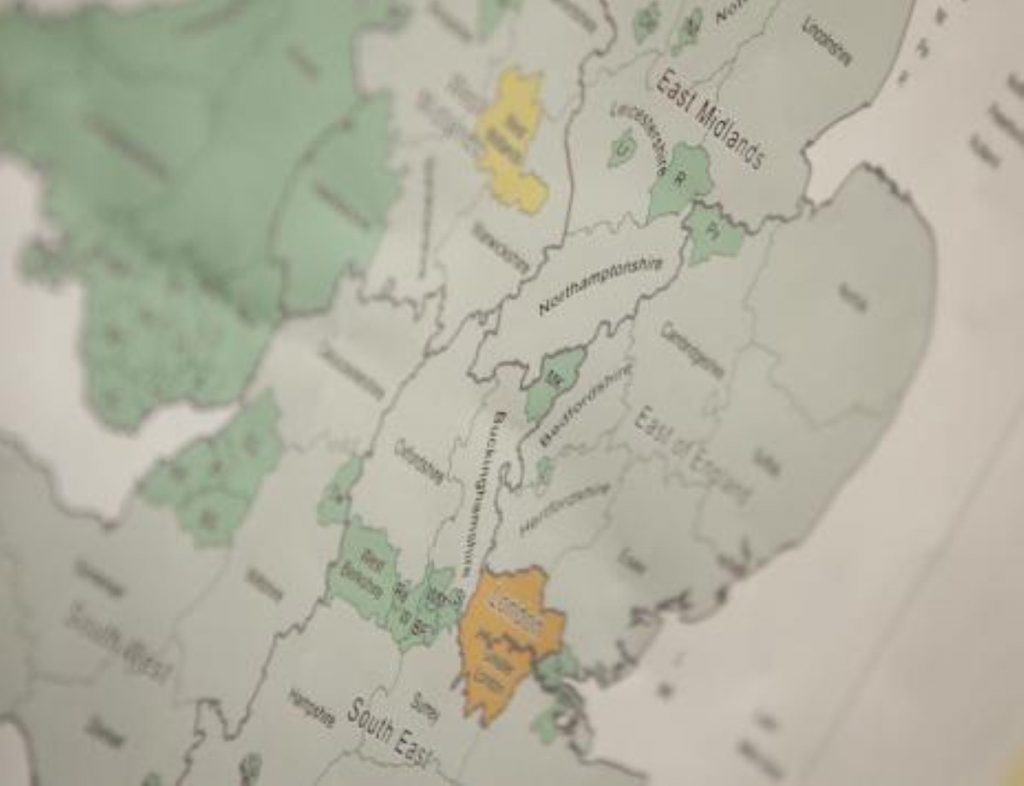
- In England the boundary commissioners have used council wards as the building blocks for seats. These are changing all the time, too. Suddenly Swindon South could become too big, for example. Where does it go? Then you have a domino effect which needs fixing in the local area.
- Local government boundaries are themselves being redrawn all the time, with a push to try to reduce the number of councils in the country. Thirty or 40 local authorities could have different wards by the time of the next election, meaning a complete reassessment would be needed by 2020.
- The final reason relates to another of the government's reforms – a classic example of one set of constitutional meddling affecting another. Switching from household voter registration to individual voter registration is going to change the size of the electoral roll. At the moment London gets 68 seats; but with a complete roll it would get 78. A big difference – requiring a big change of the boundaries.
All of which leads Johnston to conclude that the turmoil we're seeing at the moment won't be going away in a hurry. This isn't just about politics – it matters because it changes the kind of democracy we are.
He warns: "This notion of the MP as being an advocate for the local area and the local community is going to become 'here today and gone tomorrow'."