Businesses of all sizes are creating jobs, investing in skills and driving growth in communities across the country. They do so against a backdrop of increasing geopolitical instability and under a Labour government that has so far shown little understanding of what businesses need to thrive.
Starting any business always comes with a degree of risk, and those who take these risks ask only for a fair and predictable environment in which to plan, hire and invest.
In recent years, that environment has steadily deteriorated. The cumulative impact of rises in employers’ National Insurance, changes to Capital Gains Tax and the erosion of long-standing reliefs has left many businesses facing a grinding tax squeeze. Together, these changes make it more expensive to employ people, invest in new projects, and grow.
The impacts of Labour’s choices on UK businesses are well documented. Household names including Marks & Spencer, Boots and John Lewis have announced store closures or plans to downsize, retail employment has fallen to its lowest level on record, and some 170,000 hospitality jobs have disappeared.
This would be challenging enough if taxes were the only pressure, but they are not. Businesses are also navigating an increasingly burdensome regulatory environment.
From planning to employment law, reporting requirements to sector-specific rules, layers of regulation have been piled on with far too little regard for their combined effect. Larger companies can sometimes absorb this. For smaller and scaling firms, each additional form, licence and compliance cost pulls time and capital away from expansion.
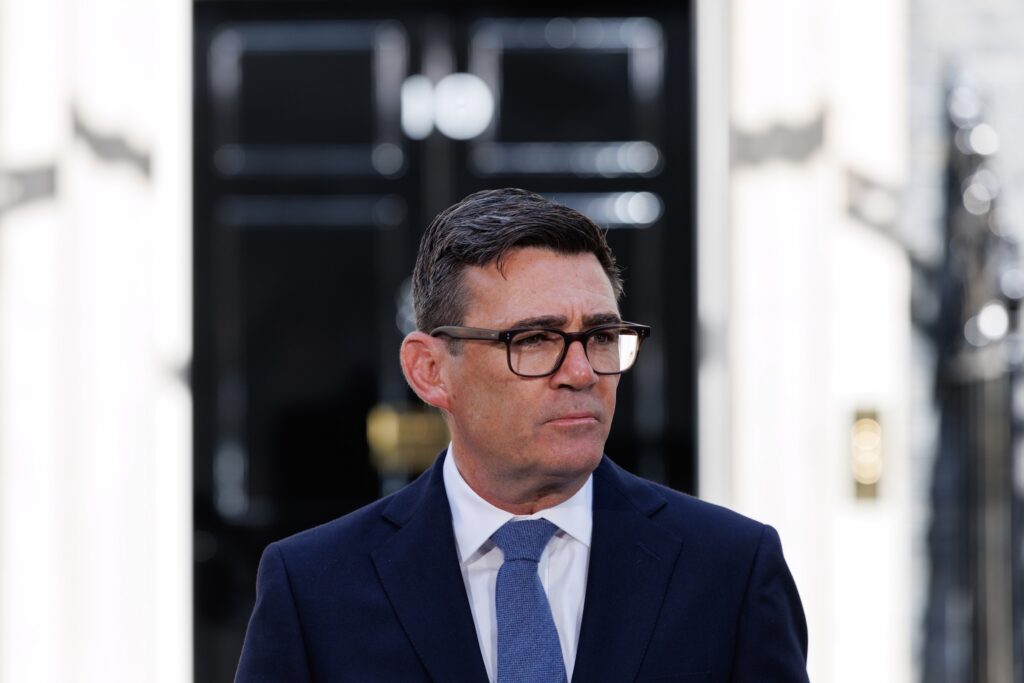
Keir Starmer’s resignation as Prime Minister may change the faces on Labour’s frontbench, but businesses will judge Andy Burnham by whether he changes policy, not personnel.
Burnham has acknowledged that Labour ‘got it wrong on small businesses’ when it increased employers’ NI and has suggested he is open to revisiting that decision. In recent weeks, Burnham also promised to be pro-growth, ’back entrepreneurs’ and reform business rates. But warm words are not enough and the question is now how he intends to act on those promises.
If Burnham is serious, his first major economic act should be to reverse the recent tax rises on business, starting with employers’ NI, and to rule out further increases in taxes that penalise investment, risk-taking and job creation.
Those around him have signalled that income tax, personal NI and VAT will not rise. However, that merely shifts the pressure elsewhere. If the next Prime Minister continues to view business as an endless source of revenue to fund ever-higher spending, it will be less a new chapter than more of the same.
The temptation will be to squeeze businesses and investors because they are easier to blame than to consult. That would be a serious mistake.
The UK cannot tax its way to growth, nor regulate its way to recovery.
If Labour ministers persist in layering new obligations and costs onto the productive economy, they will not simply raise more revenue. They will deter hiring, delay investment and weaken the very base on which our public services depend.
The growing frustration from business leaders should not be underestimated.
Stop the Creep, a campaign launched by Britain’s largest network of scale-up founders, Helm, has an open letter backed by more than 100 business leaders and MPs, showing just how far patience has been stretched. These businesses are issuing a simple warning that under a Burnham government, Britain cannot prosper while treating the companies that employ people, pay taxes and drive innovation as little more than a convenient revenue tap.
The new Prime Minister has a choice: continue down the path of tax creep and regulatory overload or reset the relationship with business and recognise it as a partner in national renewal.
That partnership matters because it is the private sector, not government, that creates jobs, and it is businesses that are developing the technology to bring down hospital waiting lists and deliver our environmental ambitions.
Reversing recent tax increases and embarking on serious regulatory simplification would be the clearest possible sign that Burnham has chosen the latter, a sign that British businesses urgently need to see.