MPs take on police over G20
By Ian Dunt
The police are facing the ramifications of their controversial tactics for the policing of the G20 demonstrations today, as parliament’s home affairs committee published a damning report into the mistakes made during the event.
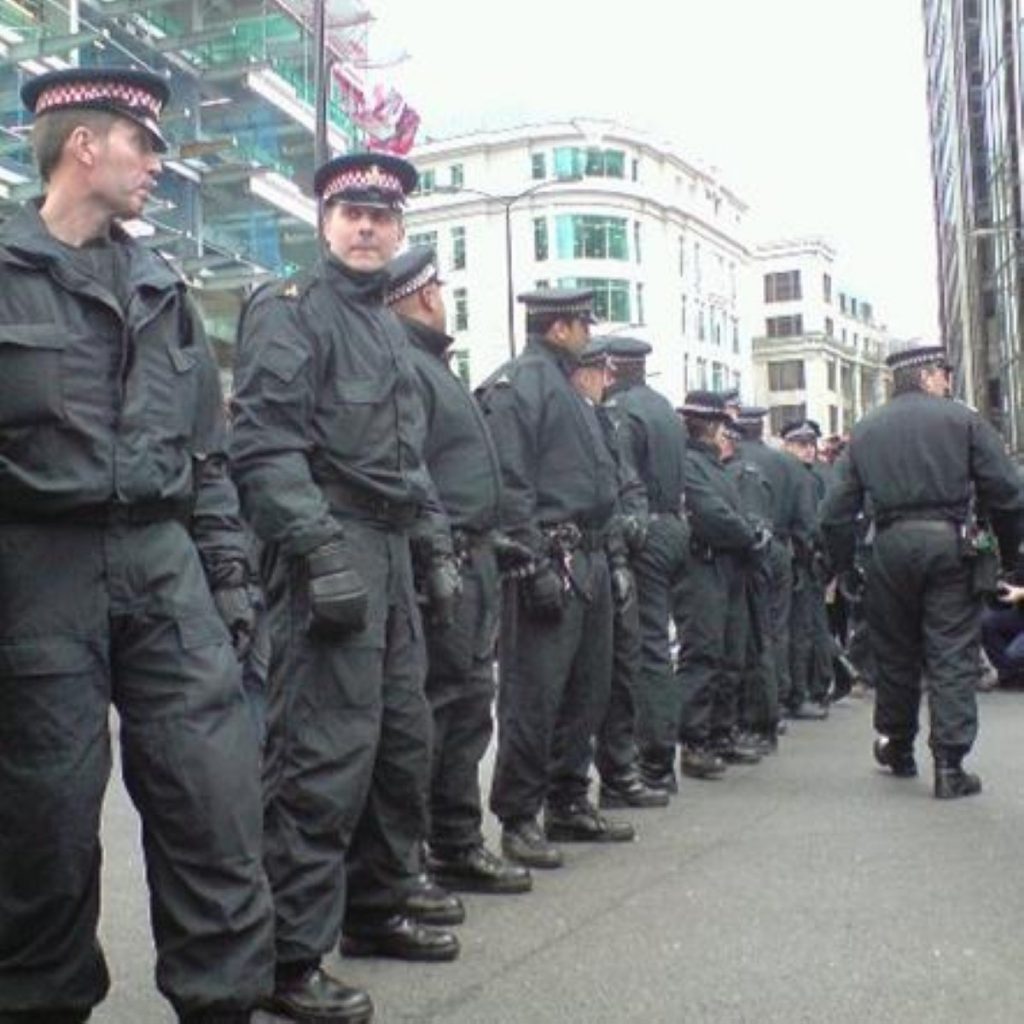
Among the complaints made by the influential committee of MPs was the use of untrained, inexperienced officers on the front line, a breakdown in communications with commanding officers, the removal of identification numbers and the use of ‘kettling’.
“The basic principle that the police must remember is that protesters are not criminals – the police’s doctrine must remain focused on allowing protest to happen peacefully,” said committee chairman Keith Vaz.


Analysis: ‘Kettling’ and civil liberties
“It is clear that concerns about the policing of the G20 protests have damaged the public’s confidence in the police, and that is a great shame.”
The committee said it could not “condone the use of untrained, inexperienced officers on the front-line of a public protest under any circumstances” and the police must not run this risk again.
“There must be not be a repetition of this – never again must untrained officers be placed on the front-line of public protest,” Mr Vaz added.
Paul McKeever, chairman of the Police Federation of England and Wales, appeared to stress the limits of what training could achieve.
“Whilst training can prepare officers, many of those younger in service were experiencing real widespread disorder for the very first time during G20,” he said.
The demand for officers to always ensure their identity numbers are visible was restated. The issue was once again in the media spotlight last week when a video emerged of two female protestors being violently arrested after asking for officers’ identity numbers at a demonstration in Kingsnorth last year.
“It is unacceptable for officers not to wear identification numbers at such events, and any officers found to be deliberately removing their identification should face the strongest possible disciplinary measures,” Mr Vaz continued.
The controversial practise of ‘kettling’, where police seal off an area so that no one can get in or out, again came under the spotlight. MPs called for clarification on the circumstances in which it can be activated.
“The use of tactics such as containment (detaining people in a confined area for a sustained period of time), and distraction tactics (the controlled use of force against those who appear hostile) may be completely within police rules but they shocked the public,” the committee found.
Mr Vaz added: “We urge the police seriously consider whether it should continue with some operational tactics, such as ‘kettling’, without consulting the public, and to take decisive action based on the problems we have identified in our inquiry to ensure that this doesn’t happen again.”
But the police defended the tactic, arguing that the only alternative was to give protestors free reign across London.
“Containment as a tactic allows for the protection of property, the minimising of
disorder, the identification of offenders and the ability of others to go about their lawful business,” Mr McKeever said.
“We accept that the employment of this tactic may occasionally result in the detainment of some people not involved in the protest, but what has to be considered is the alternative.
“By choosing a method such as dispersal and allowing groups of demonstrators to roam around areas at will you are allowing, at best, disruption to the lives of non-protestors and at worst serious disorder.”
There was also concern at the way police had prevented journalists from accurately reporting what was going on, by preventing them leaving or entering certain areas, and banning photography.
“Some members of the media experienced a broken chain of command and ignorance on the part of the police which impaired their ability to do their jobs,” the committee found.
“We cannot understand why experienced officers on the ground were not granted a degree of discretion in how the police strategies were enacted. we are yet to be convinced of the absolute necessity of why a relatively simple message like ‘please let them out if they are bona fide press’ needed to be sent from the gold commander,” it added.
The committee admitted the policing of the protest was successful, in that disruption was kept to a minimum, but said “an element of luck” must be attributed to the achievement.
The Independent Police Complaints Commission is currently investigating six separate incidents at the demonstration.