Darling in talks over 48-hour week

Tuesday, 7 November 2006 12:00 AM

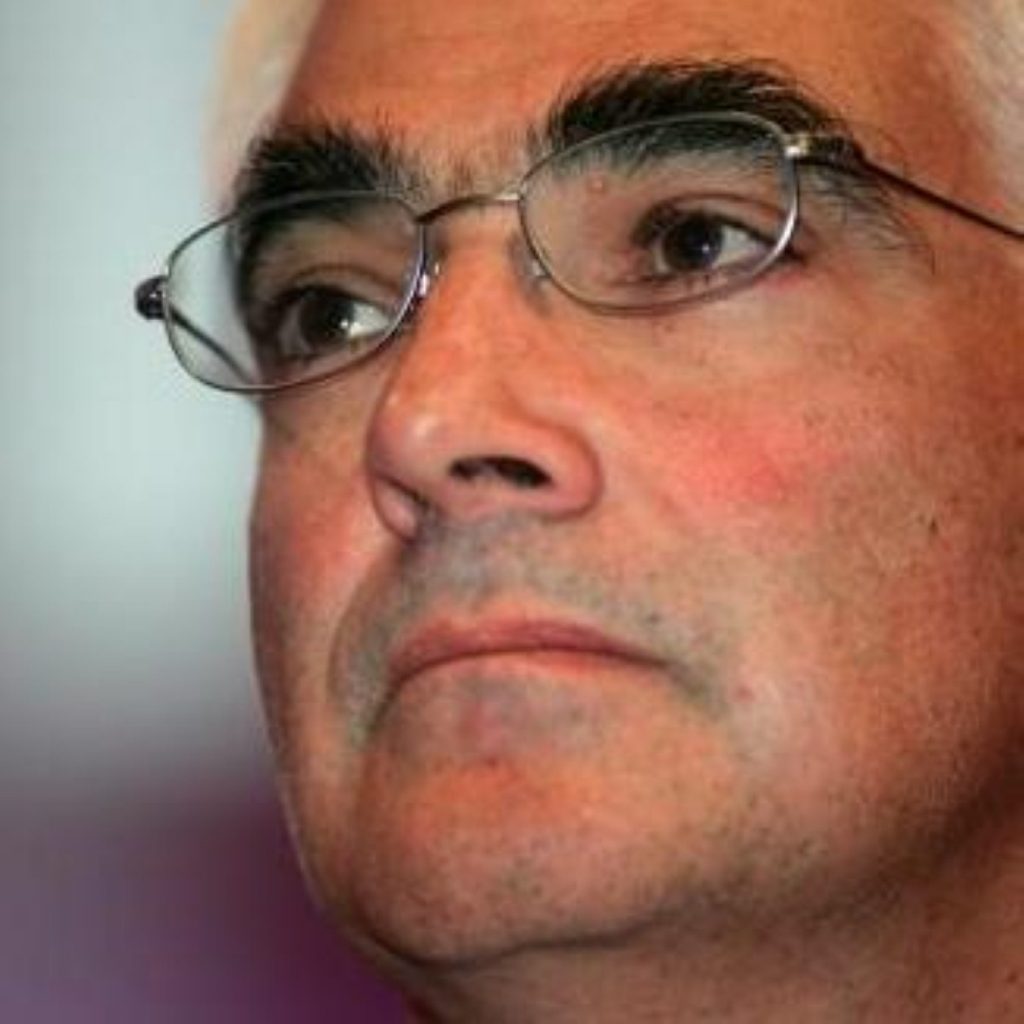
Trade and industry secretary Alistair Darling is in discussions over plans to end the UK's right to opt out of the 48-hour maximum working week.

Changes to the current legislation have been tabled by the Finnish government and, if they are passed, UK workers could be restricted to working no more than 48 hours.

Currently British workers can opt out of parts of the legislation, allowing them to work up to 70 hours a week.

"The opt-out is important and it's important to give people the right to choose," a Department of Trade and Industry spokeswoman told politics.co.uk.

"But we want to work with the member states to find a text that's acceptable to all."

The Finnish government, current holder of the EU presidency, would reduce this maximum to 60 hours and include a timetable to review the opt-out in future with the aim of ending it entirely.

And these proposals put the UK's "vital" ability to use a flexible workforce at risk, employers have said.

"The ability to opt out of the 48-hour working week rules imposed by the Working Time Directive is vital to both individuals in the UK and the economy as a whole," said John Cridland, the deputy director-general of the Confederation of British Industry (CBI).

"Just as nobody should be forced to work more than 48 hours in a week, anyone who willingly chooses to should be allowed.

"This must be regarded as a basic right for UK citizens. It is essential that the government sticks to its guns and protects the opt-out."

Alan Tyrrell, national employment chairman of the Federation of Small Businesses (FSB), added: "The government cannot afford to sell-out the interests of small firms to simply mollify other European Union member states.

"Alistair Darling should carry on the fight in Brussels defending the interests of British businesses.

"Surrendering the opt-out would be equivalent to abandoning British businesses but so would allowing it to be watered down with tons more red tape. Alistair Darling must fight for the interests of UK small firms and the millions of people they employ."

However, trade unions are less convinced of the necessity of the UK's opt-out.

"Ministers tell us that keeping the opt-out is essential to the UK's economic success, but these figures hole that argument below the waterline," said TUC general secretary Brendan Barber.

"The truth is that long working hours are already in decline - not fast enough for sure - but [there] is still a marked trend, particularly in the private sector.

"And most of those still working more than 48 hours a week either have the kind of jobs that are not covered by European rules, only work a little over the limit or will not have to change their hours because of new flexibilities introduced by any likely European deal."

The Finnish would not see the 48-hour working week strictly imposed for each week, but averaged over a period of up to 12 months.

For states enforcing the opt-out, the 60-hour working week would be averaged over three months.

Additionally, workers would have to agree to opt out and be able to change their mind at any point in the next three months without being penalised.


Serious about politics?

City University London

Dedicate one year of your life to getting to the heart of current issues in global politics. Our courses allow you to specialise in development and policy-making, international relations, and political journalism and communications.

Special event coverage

ESRC logo

Festival of Social Sciences: Celebrating the Social Sciences

Evidence-based policy should not be a radical concept. It needs to be celebrated.

ESRC logo

Festival of Social Sciences: 2 languages: 2 brains, 2 minds, 2 cultures?

As part of the ESRC Festival of Social Sciences, the Deafness Cognition And Language Research Centre (DCAL) hosted an event exploring the powerful benefits of bilingualism in spoken and sign languages, for hearing and deaf people alike - benefits that reach hearing and deaf people alike.

Opinion Former Events

NHF: Leaders’ Forum and Exhibition 2012

This flagship event is a forum for chief executives and chairs of the housing sector to network with each other and learn from a range of high-profile and inspirational speakers from media, political and housing backgrounds. It takes place in Park Plaza Victoria, London.

TACT: Foetal Alcohol Spectrum Disorder (FASD): how to support affected children

Foetal Alcohol Spectrum Disorder (FASD) is an incurable lifelong condition arising from brain damage caused by maternal alcohol consumption during pregnancy. The effects may include physical, mental, behavioural and learning disabilities. However, if diagnosed, the right strategies can transform the lives of those affected. This new Guardian Social Care Network half-day seminar in association with TACT Fostering and Adoption will explain the condition and show what can be done to help.

bpas: Abortion in the US: Popularity, Politics and Practice

We often hear of the ‘Americanisation’ of abortion politics in the UK, but unpicking the substantive threats to women’s reproductive rights in the US can be a challenge. The 2012 bpas public lecture will explore the current state of abortion politics in the US and, at a time when abortion appears increasingly politicised in the UK, reflect on what lessons can be drawn by those keen to protect women’s reproductive autonomy elsewhere.

Cogent SSC: UK Nuclear Skills Awards - 22nd March 2012

The UK Nuclear Awards is steadily becoming an anticipated annual event in the Nuclear calendar. The National Skills Academy for Nuclear and Cogent Sector Skills Council are preparing to hold their fourth collaborative Skills Awards Evening for the industry.

BSIA: Information Destruction Exhibition and Conference

This one-day event is targeted at professionals operating in the information destruction industry, and aims at keeping delegates updated on recent developments in their sector, providing an opportunity to network with fellow professionals, whilst offering access to an informative exhibition and a comprehensive conference programme.

Take the Gold Challenge for St Dunstan's

We provide lifelong support for blind and visually impaired ex-Service men and women. You can help give more blind heroes an independent future by taking the Gold Challenge

Newsletter sign up

By signing-up you agree to the terms of use and privacy policy.

Unsubscribe