Ending the postcode lottery for Britain’s military children
By Louise Fetigan, Founder of Little Troopers
Over the past year, the government has set out clear ambitions to improve opportunities and wellbeing for young people – from expanding Mental Health Support Teams to renewed commitments to tackling inequality in education. Yet one group remains largely absent from this national conversation: the over 74,000 children who are living in Armed Forces families in the UK.
While life in the military can offer incredible opportunities, it also comes with unique challenges that can sometimes impact a child’s mental health and attainment at school. These young people experience a childhood shaped by frequent moves, sudden changes in routine and long periods without a parent at home. Despite this, the support they receive in schools too often depends on whether staff are aware of the unique pressures forces life brings – and many schools simply are not.
As a former soldier myself, I have seen these challenges firsthand. When my own daughter struggled during her father’s deployment, her school (brilliant though it was) had little guidance to draw on and no structured way to support her. That experience showed me how easily military children can become invisible in civilian settings, even when staff want to help. It was this gap that led me to found Little Troopers, and why our work remains so important today.
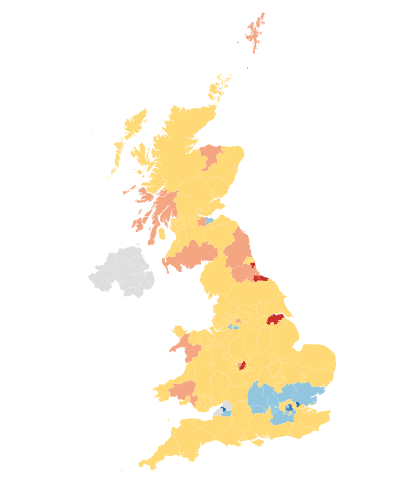
My experience reflects a wider national picture. The UK’s military children often follow their parents between bases and schools, some living in private accommodation far from barracks. Many face repeated goodbyes to a parent who is deployed away from home for months at a time. The support these children receive can vary dramatically. In some schools, teachers understand the unique pressures of forces life. In others, they simply haven’t been given the tools or training to recognise what military families face. The result can be a postcode lottery that leaves some children well supported and others navigating the emotional impact largely alone.
The foundations for change are already there. The Service Pupil Premium and the Armed Forces Covenant have strengthened the nation’s commitment to service families. More recently, the Department for Education published non-statutory guidance – a national framework setting out how schools can better understand and support service pupils. These are significant steps forward.
But guidance alone cannot create consistency. Schools need practical ways to put it into action. That is why we are launching our new Little Troopers Clubs: an accessible model that helps schools create a familiar and supportive space for military children. The clubs use a mix of online and physical resources which we are providing for free to help children settle quickly and feel understood. Crucially, they offer continuity. If a child moves from one end of the country to the other, they can walk into a new school and find the same structure waiting for them.
To build on the progress already made, the government should strengthen and embed its new framework so that military children across the country can benefit from consistent in-school support. That means encouraging schools to adopt practical pastoral approaches – such as the Little Troopers Clubs – as part of their duty of care. It also means raising awareness so that every school, whether it has one service child or fifty, understands the challenges these children face and feels equipped to support them.
We ask a great deal of our Armed Forces families, so we have a responsibility to ensure their children do not feel invisible in the place they spend most of their day. With clear guidance and a commitment to consistency, no child’s wellbeing should depend on a postcode. We have the framework, now we can make it work – for every little trooper, wherever they move next.