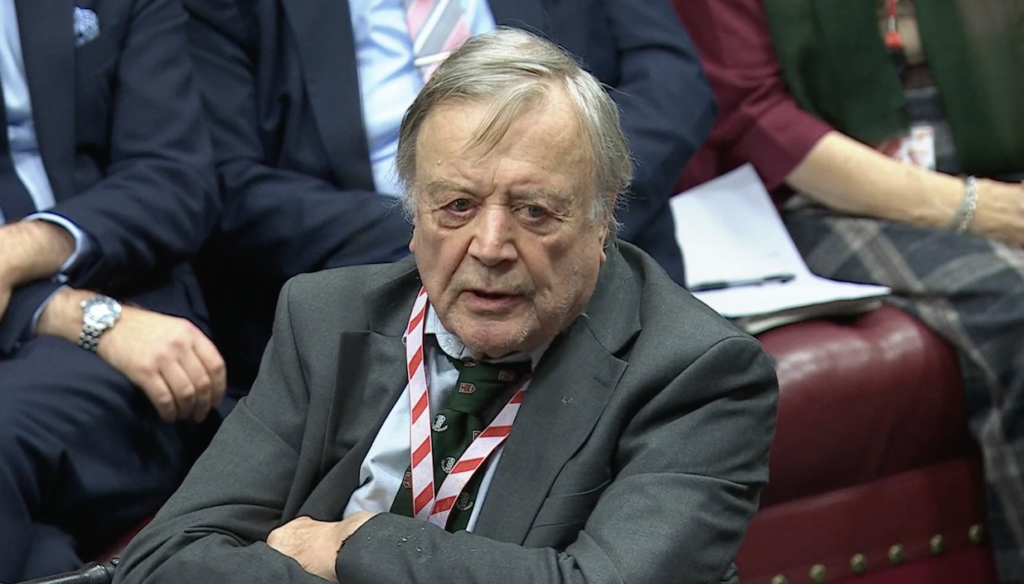
Former Conservative chancellor Ken Clarke has backed Andy Burnham’s UK-EU deal, calling the agreements reached in Brussels “perfectly sensible”.
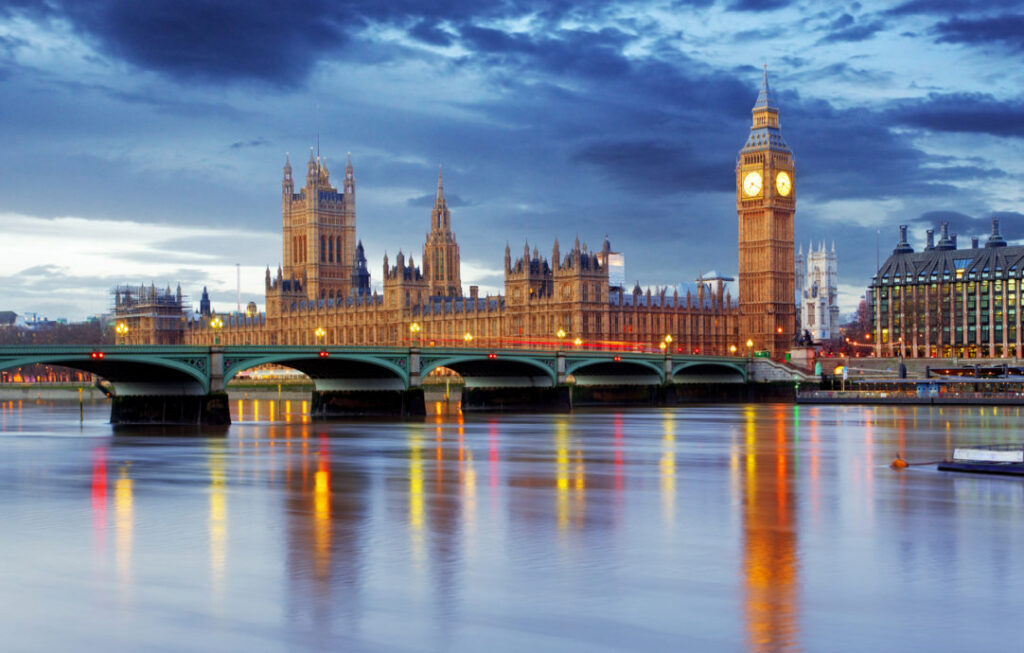
Lord Clarke of Nottingham was speaking in the House of Lords on Tuesday, as peers responded to the prime minister’s statement on last week’s UK-EU summit.
The veteran europhile said: “Is it not the case that what the prime minister is really doing is negotiating a Brexit deal of the sort that should have been negotiated six years ago when we first left?”
The agreements signed at the UK-EU summit on 20 November cover food and drink exports, emissions trading and a youth experience scheme. The European Partnership Bill, which will implement them, is due to be introduced in the House of Commons on Thursday.
Lord Clarke said the three points agreed so far were “perfectly sensible and of mutual benefit and should be welcomed on all sides.”
He asked Baroness Smith of Basildon, the leader of the House of Lords, to confirm that the government would “continue that sort of process on things such as professional qualifications so that we wind up with a situation that is perfectly satisfactory for non-members such as Norway and Switzerland, whose economies are thriving much better than ours at the moment”.
Baroness Smith replied: “The noble Lord, with his experience, hits the nail on the head.”
She added: “It is interesting that the party opposite is the only party not happy with the prime minister’s arrangements, perhaps because their wonderful negotiation skills were unable to deliver such a deal at the time.”
She said there was “more progress to be made”, and cited touring musicians and performing artists, the mutual recognition of qualifications, and education.
Lord Clarke’s comments contrasted with those of Lord True, who responded to the statement for the Conservatives.
Lord True, the Conservative leader in the Lords, said the agreement “begins to reverse the vote of 17 million Britons to be free to make our own laws” and “makes Britain a rule-taker”.
He told the House: “It would be a tragic mistake to plunge this country back into past division and disunity when there are so many problems here at home. A growing army of young people are unemployed; this deal does nothing for them and the next government will scrap it.”
Burnham has opened the door to Europe. Now he should walk through it
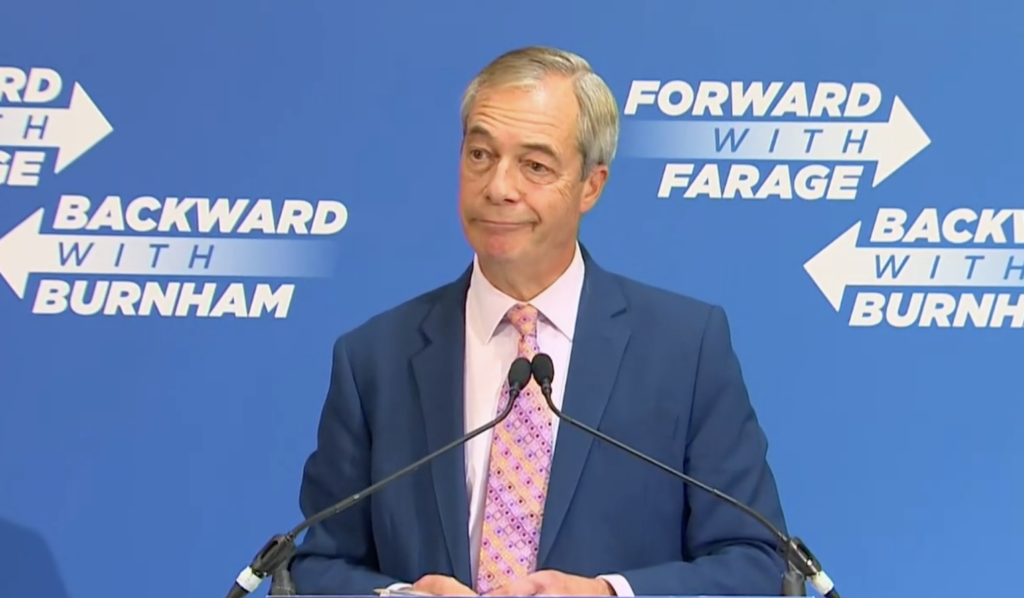
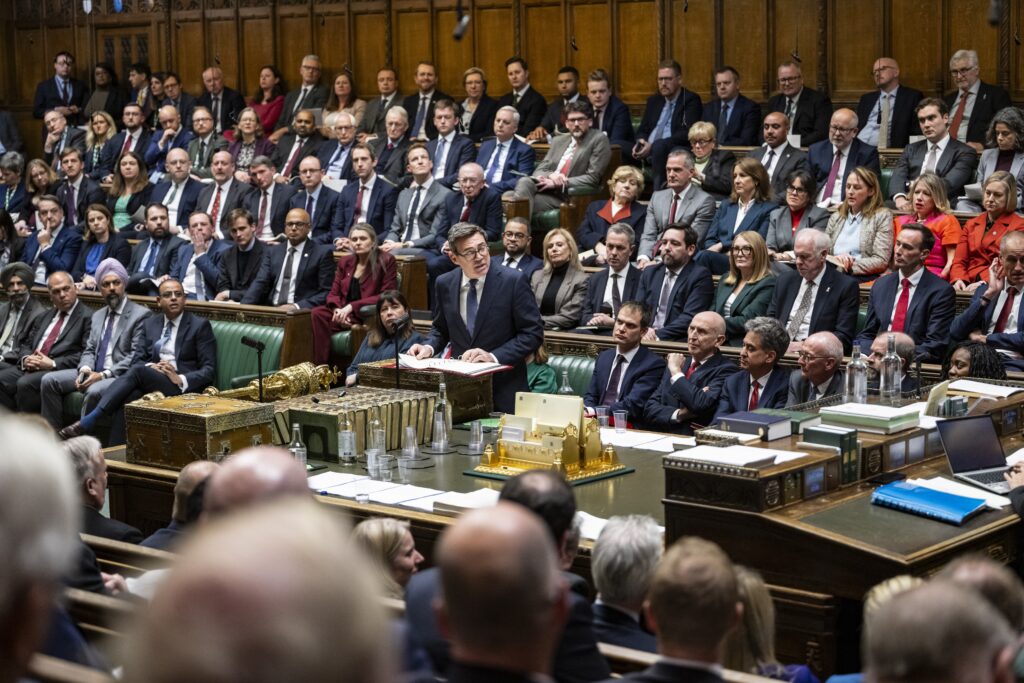
In the House of Commons on Monday, Conservative leader Kemi Badenoch said Burnham had “oversold” the deal and was “trying to take Britain back to 2015”.
Badenoch said: “Six former prime ministers, including Tony Blair, are criticising the direction he is taking UK-EU relations. He says the prime ministers who implemented a democratic decision are living in the past.
“The only person living in the past is the man trying to take Britain back to 2015 instead of focusing on the future.”
It is not the first time Lord Clarke has found himself out of step with his party on Europe.
Clarke served continuously in the House of Commons for 49 years between 1970 and 2019. He received his first government role in 1972 as an assistant government whip under Edward Heath.
As a prominent pro-European and supporter of the one nation Conservative tradition, Clarke was often seen as a leading “wet” (a term for Conservatives critical of Thatcherite policies). Under John Major, with whom Clarke shared more ideological common ground, he held three major cabinet posts as secretary of state for education and science (1990-1992), home secretary (1992-1993) and chancellor of the exchequer (1993-1997).
Clarke, who contested the 1997, 2001 and 2005 Conservative leadership elections, returned to government under David Cameron, serving as lord chancellor and secretary of state for justice (2010-2012) and subsequently as minister without portfolio (2012-2014).
Cameron demotes Michael Gove in tense pre-election reshuffle
Following the 2016 referendum vote, Clarke emerged as a persistent critic of the government’s approach to Brexit. He was the only Conservative MP to vote against the European Union (Notification of Withdrawal) Bill. This legislation empowered Theresa May, then the prime minister, to notify the Council of the European Union of the UK’s intention to withdraw, formally triggering the process set out in Article 50 of the Treaty on European Union.
In August 2019, during parliamentary deadlock over Brexit, there was brief speculation, initiated by Liberal Democrat leader Jo Swinson, that Clarke could potentially lead a temporary cross-party government of national unity aimed at preventing a “no-deal” Brexit. Clarke indicated he would “not object” if asked, though the plan did not materialise.
In September 2019, Clarke was one of 21 Conservative MPs who had the whip withdrawn after he backed a motion that allowed a cross-party alliance to seize control of the commons order paper. This move allowed for the introduction of a bill to block a no-deal Brexit.
Clarke sat as an independent MP for the remainder of the 2017-2019 parliament. During this time, he described the Conservative Party as the “Brexit Party rebadged”.
Clarke had the Conservative whip effectively restored upon being elevated to the House of Lords in 2020.