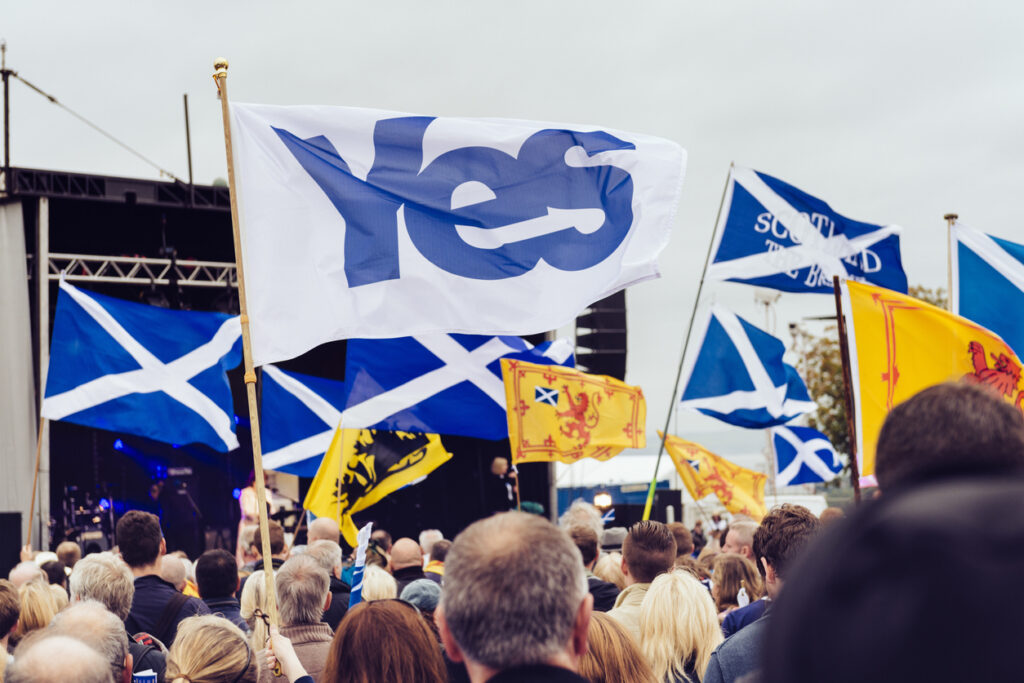
It would be fair to say that the stars have realigned for the cause of independence and civic nationalism in the UK these past few months.
That might seem like an odd perspective given the amount of airtime and ink afforded by the British media to the rise of a very different kind of nationalism espoused by Reform UK, but while everyone was obsessing about Nigel Farage, elections in Scotland and Wales delivered independence-supporting first ministers, or, redelivered, in Scotland’s case, a fifth historic term for the SNP. Thus, in September, a new Celtic Alliance came together, with the SNP in Scotland, Plaid Cymru in Wales and Sinn Féin in Northern Ireland setting out our shared priorities in a framework for cooperation on the constitution as part of the Cardiff Agreement.
Rhun ap Iorwerth sworn in as first Plaid Cymru first minister of Wales
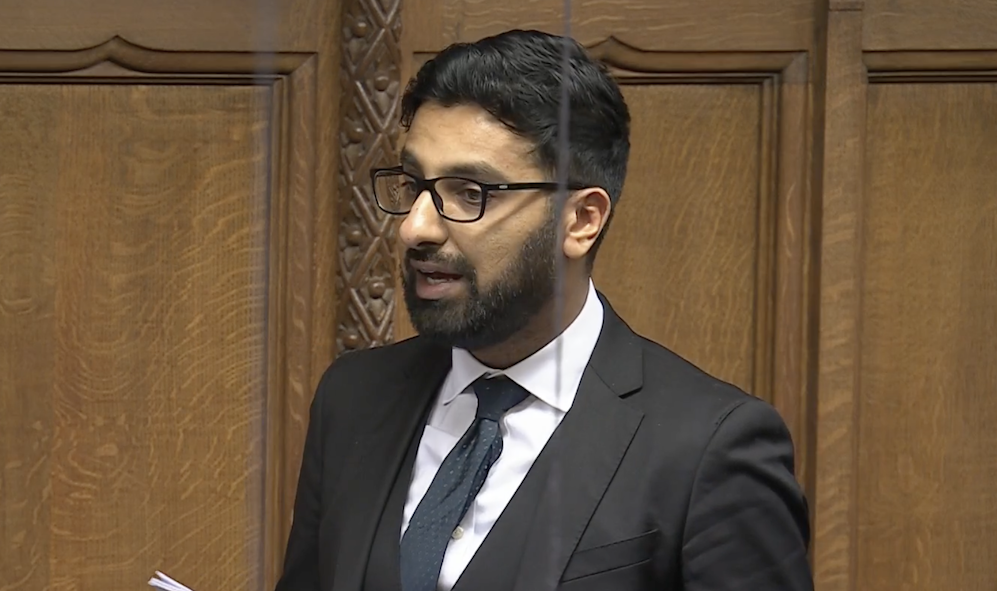
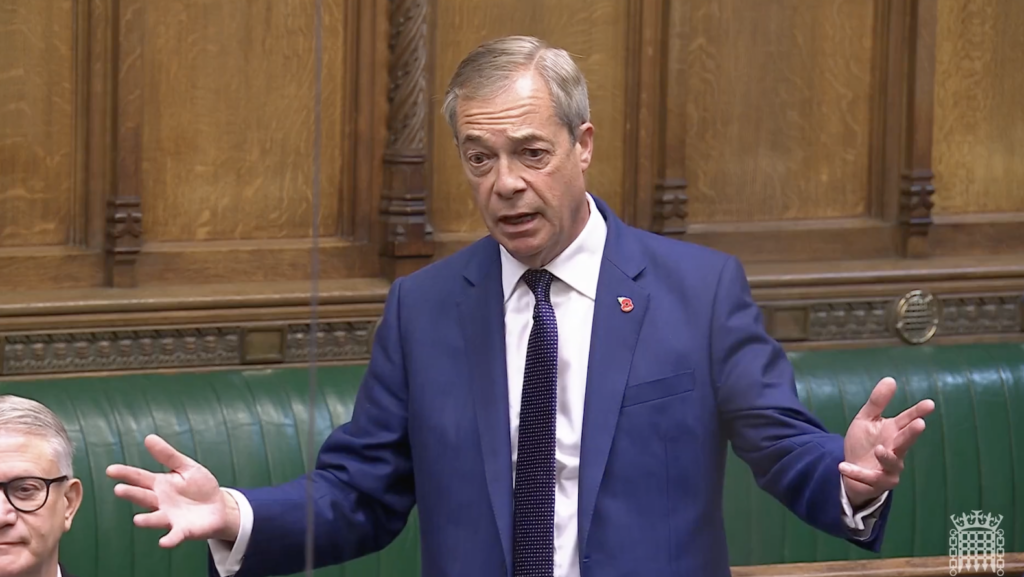
Fast forward a few weeks into November and my Westminster Hall debate on government policy on a second Scottish independence referendum couldn’t have come at a better time in this new-look UK. Because now we have three parts of the so-called union of equals run by first ministers who want out of the union and the chance to forge a better, more prosperous and fairer future than that being offered by Westminster.
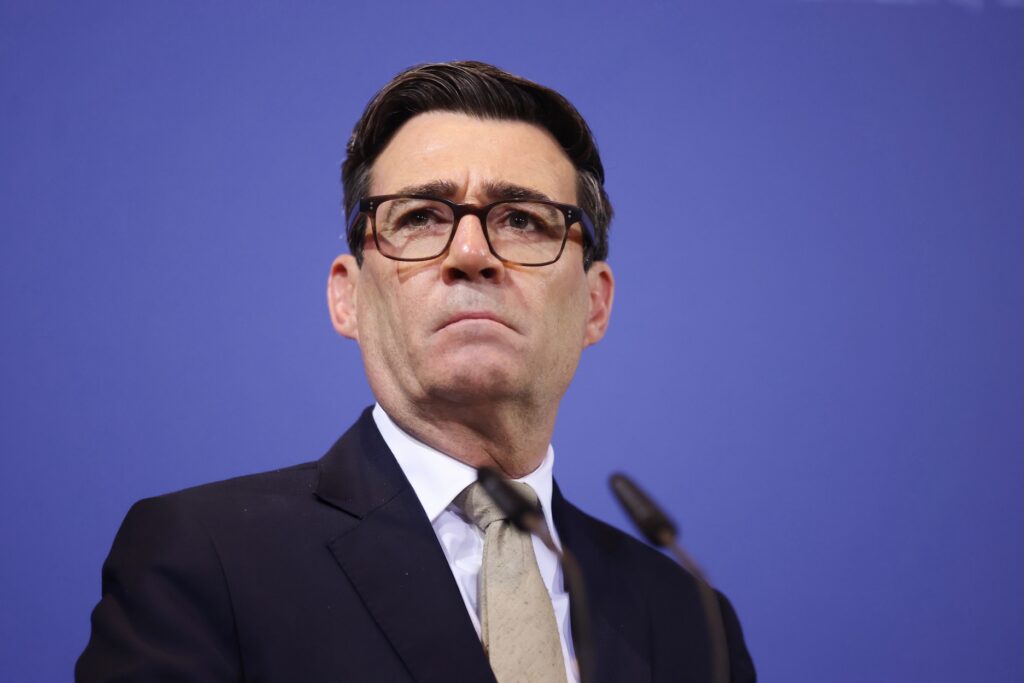
Perhaps this was why the new prime minister, Andy Burnham, set the heather alight in one of his first PMQs in response to my colleague Chris Law’s question on a second referendum, henceforth to be known as the Dundee Central Question (Chris’ constituency). Burnham in reply accepted an equivalence with the Scottish situation and the Good Friday Agreement and the right of citizens in Northern Ireland to revisit their border question on a seven-year cycle. Cue panic stations at Number 10 as the comms team were dispatched to qualify what the PM actually meant to say, which apparently was that another referendum was “off limits” despite support in Scotland remaining over the 50% mark these past few years.
So, while it seems we are at Groundhog Day with getting the UK government to consider a second independence referendum in Scotland, outside the narrow halls of the Palace of Westminster, another approach is gaining momentum. And continuing to say no will be unsustainable as a result.
Just this past weekend, across the water in Dublin, the Irish government initiated a national conversation on the journey to Irish unification, recognising that a debate on constitutional change must be centred on respectful engagement. Indeed, Tanaiste Simon Harris stated “nobody has a veto” (on this question) and that “the days of anybody’s view being greater than anybody else’s, those days are gone.” Harris and the Irish Taoiseach, Michael Martin, have urged the UK government to set out the exact criteria and conditions in which a reunification referendum will be called in Ireland, with joint Irish government proposals on Irish unity preparation pencilled in for the end of this year.
Cue another major panic with the Northern Ireland secretary dispatched to say he didn’t “detect a mood” for a border poll. Quite how Chris Bryant intends to “detect” moods is unclear, but what is clear is that the UK government is going to need a better response than that if they’re to catch up with this changing landscape.
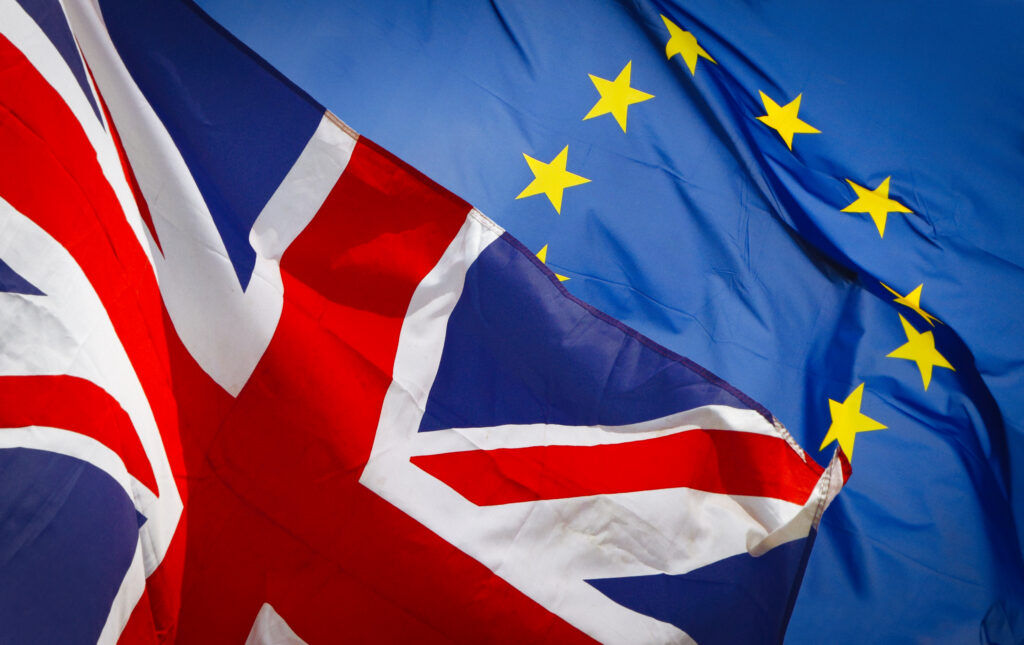
Because while Burnham argues that material changes make it a good idea to go back into the EU, which we are more than happy to support, he must surely be able to see the parallels with Scotland and the material changes we’ve endured since the first referendum in 2014.
Brexit, Covid, war in Europe, the rise of the far right, Trump – an independent Scotland would have forged a different path, but instead we’ve had to deal with the broken promises of both Tory and Labour governments who have sold our workers down the river at Grangemouth, Mossmoran and the Acorn Project, as well as our North Sea oil and gas workers. And all the time we’ve been fed a diet of myth and obfuscation that we couldn’t manage on our own financially while we sit on a renewables goldmine that keeps the lights on in the rest of the UK while Scots households pay the biggest energy bills.
Scotland is tired of being gaslit by Westminster. But now, as hope and history rhyme, to quote my native land’s best-loved poet, Seamus Heaney, change is coming and it’s coming from all sides at Westminster. There can’t be one rule for one part of the UK to leave of their own democratic choice and not another; prime ministers saying no on repeat when citizens choose independence-supporting parties time and time again as their devolved governments, and saying independence referendums are off limits is not sustainable as the Celtic Alliance of Scotland, Wales and Northern Ireland collaborates on the constitutional question.
History and time are on the side of democracy and the right of Scottish citizens to determine their own future. And from where I stand, that looks very different to the status quo at Westminster.
Winnie Ewing leads SNP to historic Hamilton by-election victory