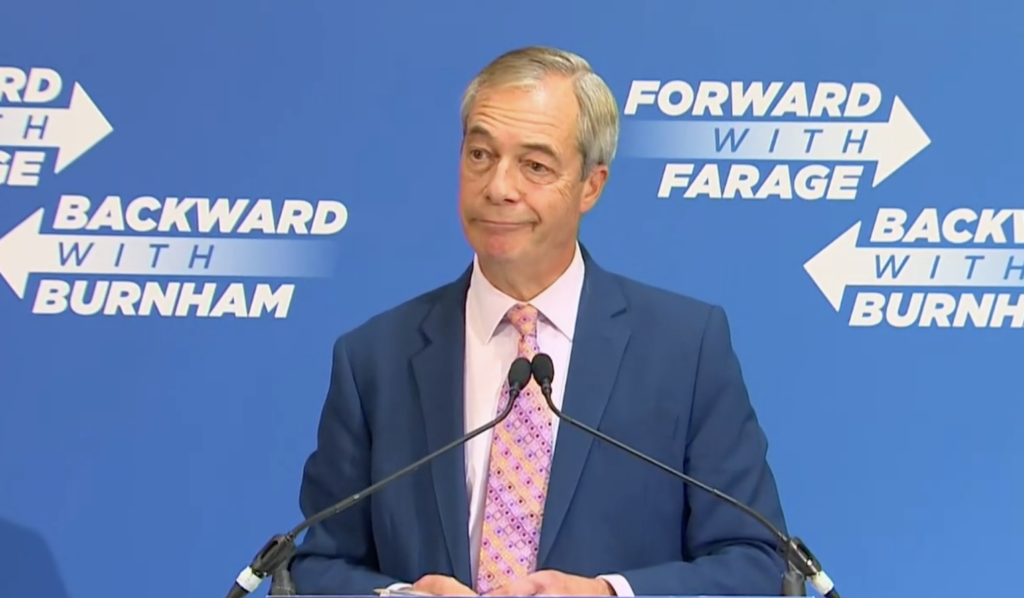
Nigel Farage has condemned fellow Reform UK MP Suella Braverman for sparking a debate over Englishness, describing the row as “unwelcome”.
Speaking at a press conference on Tuesday morning, the Reform leader was asked whether he shared concerns raised by former prime minister Rishi Sunak about a rise in ethno-nationalism.
The question followed a Sky News interview with Sunak, in which the Conservative MP insisted that skin colour “should not determine whether you belong in Britain”. The comments were a response to a position adopted by Braverman, Reform’s education spokesperson, who has repeatedly argued that national identity is rooted in ancestry and ethnicity.
Farage stated: “I’m very worried about [a rise in ethno-nationalism], and I think you can see with the online right, both in this country and America, some pretty extraordinary things being said that would have been unthinkable even a handful of years ago.”
He added: “So yes, there is a rise. There is a rise in ethno-nationalism, and as you know very, very well, I fought this all my career. No one did more to beat the BNP [British National Party] than me, and I really mean that.”
On the debate over Englishness, Farage said: “Suella’s comments have a place in an Oxford Union debate about Britishness being a very wide concept, and maybe narrower concepts for Englishness, Scottishness, etc.
“I view it as an unwelcome debate, and I don’t want to hear anything about it again. Is that clear?”
Braverman first articulated her position on Englishness last year.
In February 2025, she authored an article for the Telegraph writing that she considered herself British Asian but not English due to a lack of “generational ties to English soil”.
Braverman wrote: “Englishness has never been static or simple. From the arrival of the Romans to the waves of Saxons, Vikings, and Normans, English culture has always absorbed and adapted. How many generations must pass before one can claim to be English? Five? Six? It is a question without an easy answer.
“If we are to defend Judeo-Christian civilisation, British values, and the distinctiveness of English culture, there must be some form of consensus.”
Braverman twice served as home secretary under Liz Truss and Sunak from 2022 to 2023. She was dismissed from cabinet by Sunak in November 2023 following controversy over an opinion piece she wrote for the Times concerning the policing of protests.
Braverman defected to Reform in January 2026 and was appointed as the party’s education spokesperson the following month.
Kemi Badenoch, the leader of the Conservative Party, criticised Braverman over her position on Englishness in her keynote address to Tory conference last month.
Badenoch said she did not want to live in “a country run by people who threaten journalists, who call veterans traitors and debate whether my mixed-race children are English”.
She said: “I don’t want to explain to my son when we’re watching our brilliant England team play football that some people don’t think our black players are English.
“I remember back in the day when Ian Wright and John Barnes were playing. Nobody was questioning whether they were English.
“We certainly didn’t have sitting MPs questioning whether they were English. We must not let these people take us backwards. That is not the country we are.
“Reform MPs are openly questioning people’s identity. They are not like us. We are not like them. We are different. We are the Conservative Party.”
Lib Dem MP brings ‘St George’s bill’ to add Black English and Asian English to census
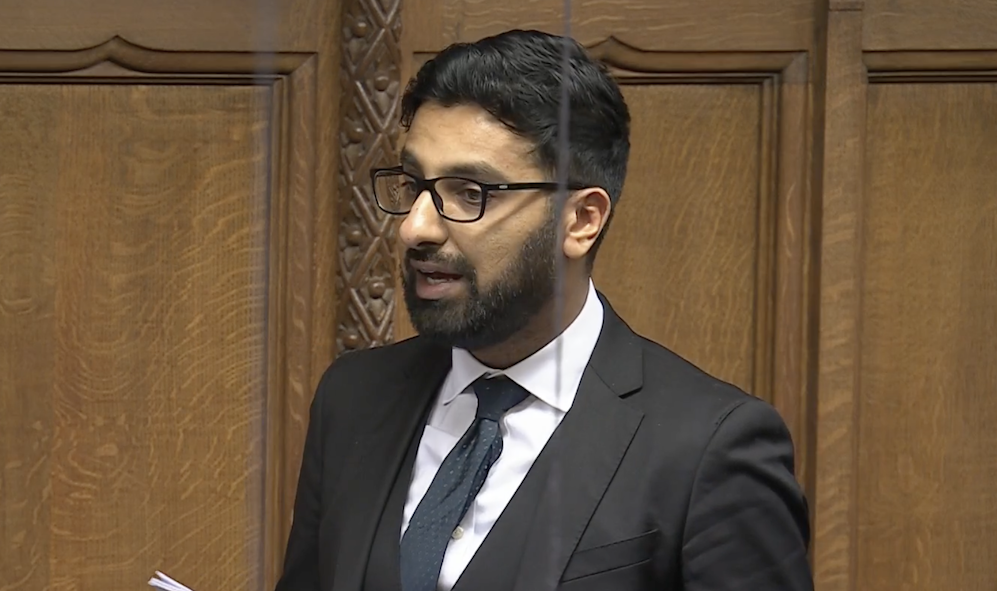
Earlier this month, Liberal Democrat MP Josh Babarinde brought a cross-party bill to the House of Commons to broaden the range of ethnicity options in the census, enabling Britons to define themselves as “Black English” and “Asian English”.
The proposed legislation, which Babarinde referred to as the “St George’s bill”, was sponsored by Labour MP and former deputy prime minister David Lammy, Conservative MPs Sir James Cleverly and Mark Pritchard, and Liberal Democrat MPs Victoria Collins, Munira Wilson and Layla Moran.
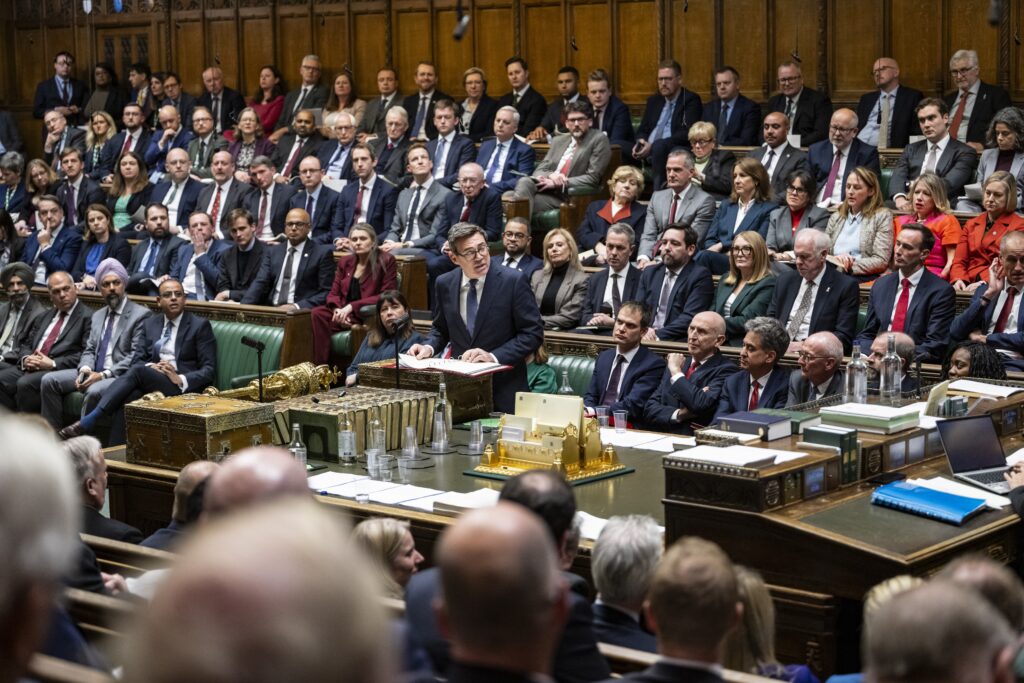
Speaking at prime minister’s questions on 11 November, Andy Burnham expressed support for the bill. Burnham said he “would want to support that bill to directly take on the poisonous politics that we’ve seen from some in this House seeking to divide us.”
UK Independence Party founded by anti-Maastricht campaigners