Brown takes on Broken Britain
By Ian Dunt
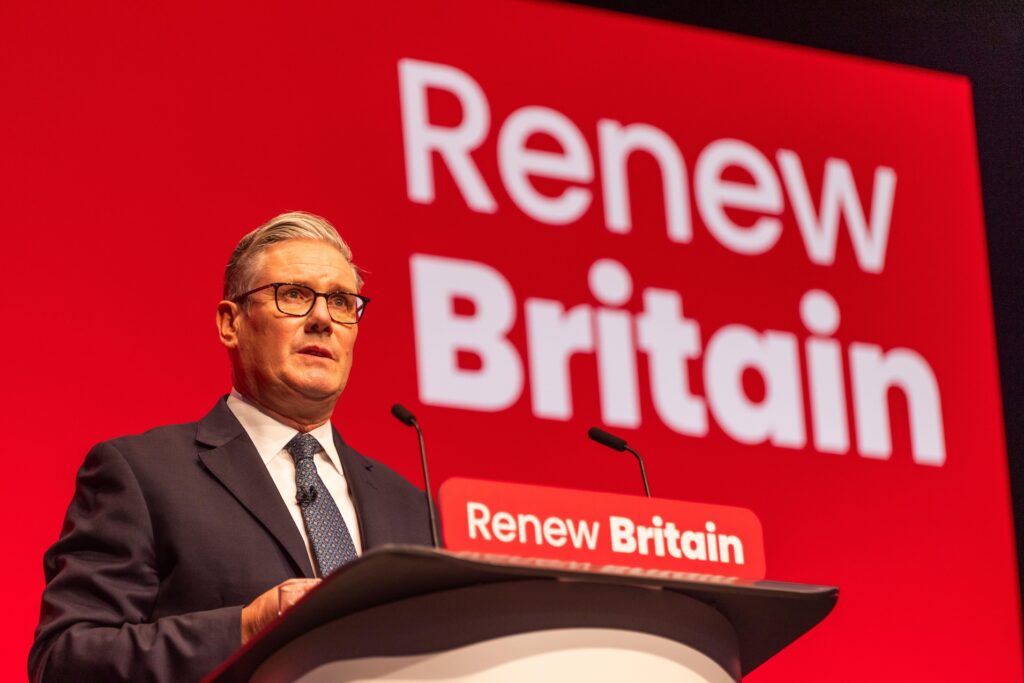
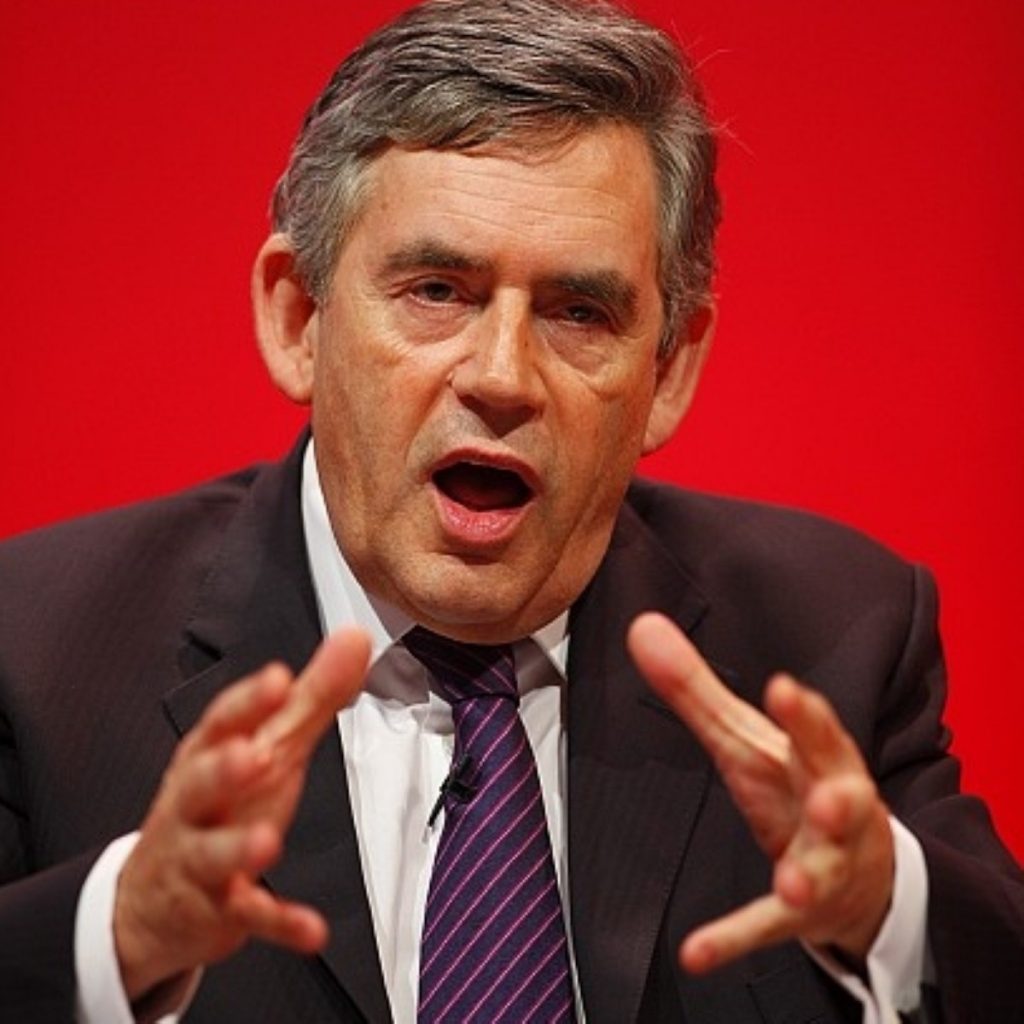
Gordon Brown tried to turn the Conservative agenda of ‘Broken Britain’ to his advantage today with a socially authoritarian conference speech.
Parents between the age of 16 and 17 being given taxpayer support will be placed in a network of supervised homes, he announced.
“These shared homes will offer not just a roof over their heads, but a new start in life where they learn responsibility and how to raise their children properly,” Mr Brown said.


Depending on the details, the policy could well trigger protests from civil liberties campaigners.
That suggestion was part of a specific agenda to tackle anti-social behaviour. Mr Brown confirmed newspaper reports that he would instigate ‘family intervention projects’ for “every one of the 50,000 most chaotic families”.
Every young person who breaches an Asbo will receive an order – together with their parents – “and if it is broken they will pay the price”.
But there were measures to reassure civil liberties advocates. Mr Brown promised the conference “in the next parliament there will be no compulsory ID cards for British citizens” – although he confirmed ID cards for foreign nationals were here to stay.
He also promised that Brits would not have to put any more information on the new biometric passports than on their previous passports.
There were other promised reforms. Mr Brown pledged to hold a referendum on introducing an Alternative Vote system “early in the next parliament”.
This will appeal to those seeking large-scale parliamentary reform, by ensuring MPs are only elected if they have the support of at least half their voters.
But many will be upset at the implementation of a fairly moderate change, with calls for Alternative Vote Plus, a slightly more far-reaching system, likely to be aired.
The government will also give constituents the right to recall their MP if he or she is caught in illegitimate behaviour – previously a Lib Dem policy.
On economic matters, Mr Brown struck a decidedly left-wing tone, saying he opposed the Conservative idea that markets were self-correcting.
He also launched a direct attack on Daniel Hannan, the Tory MEP who went on US TV to criticise the NHS as a “60-year mistake”.
“For us the NHS has not been a 60-year mistake but a 60-year liberation.”
Mr Brown addressed the cuts issue head on.
“I can say today that every change we make, every single pledge we make, comes with a price tag attached, and a clear plan for how that cost will be met,” he said.
“We will raise tax at the very top, cut costs, have realistic public sector pay settlements, make savings we know we can and in 2011 raise National Insurance by half a per cent and that will ensure that each and every year we protect and improve Britain’s frontline services.”
The prime minister did announce some new spending plans during the speech.
Parents of a quarter of a million two-year-olds will be given free child care, paid for by reforming tax relief, Mr Brown announced.
The speech confirmed Labour’s attempt to define the Tories as the ‘do nothing’ party.
He fiercely criticised the party for being obsessed with image, after a passionate – and unscripted – roll-call of Labour achievements.
“The opposition might think that the test of a party is the quality of its marketing but I say the test of a government is the quality of its judgment,” he said.
Among the more visionary announcements in the speech was an ambition to “beat cancer in this generation”. Mr Brown said he would improve Labour’s early diagnosis guarantee by financing the right for cancer patients to receive the results of their test within one week of seeing a GP. And he reiterated plans to combine the NHS with local care provision to create a new National Care Service.
He pledged to legislate to oblige the government to raise spending on aid to developing countries to 0.7 per cent of Britain’s national income.
And, in a major commitment, Mr Brown promised to restore the earnings link for the basic state pension within the next five years. Over the same period he said he would raise the minimum wage, and child benefit and child tax credits, every single year.
On the recession, Mr Brown made clear he was determined to help both businesses and individuals.
He said he would create “a new national investment corporation” which would finance growing firms alongside a £1 billion innovation fund.
Young people emerging from education into the recessionary job market would be helped by the announcement of 10,000 new skilled internships. A further set of up to 10,000 green job placements would underscore his commitment to ensuring the economic recovery would be underpinned by the transition to a low-carbon economy.
Mr Brown was introduced by his wife Sarah, in the same manner as last year.
“He isn’t perfect,” she said.
“He’s messy, he’s noisy, he gets up at a terrible hour. But I know he loves our country, and he will always, always put you first.”
Pollsters and Westminster observers had all but written off the prime minister, but Labour strategists are hoping the speech could inspire Labour MPs and activists enough to at least minimise the extent of a Conservative victory at the next general election.
But all did not go to plan in the run-up to the conference. Downing Street had hoped a week of international media opportunities would be enough to inject some bounce into Mr Brown’s poll ratings. And yet the media agenda was sabotaged by mishaps and disasters on several fronts.
His trip to New York to address the UN was overshadowed by media claims he had been snubbed by US President Barack Obama.
He saw Shriti Vadera, business minister, resign to take up a role advising on the G20 transition from Downing Street – a move which confused many observers and led to rumours she could be laying the ground for Mr Brown to work for an international organisation before the election.
There was continued controversy over the position of Baroness Scotland, who Mr Brown defended against calls for her resignation. Many are now questioning that decision, after her former cleaner, an illegal immigrant, told reporters she had not checked her passport details before employing her.
And questions about Mr Brown’s health have dogged his interviews, with Andrew Marr asking directly whether he took painkillers regularly on his Sunday AM programme. That line of questioning drew angry criticism from business secretary Peter Mandelson yesterday morning.
Despite his well-received speech on Monday, the Labour conference has been a tepid affair so far, with no outpourings of loyalty or significant rumblings about the leadership.
That confirmed the main thrust of an article written for the Observer by chancellor Alistair Darling in which he suggested Labour had lost the will to live.
Mr Brown will be hoping his speech today can change that sentiment before the general election campaign begins.