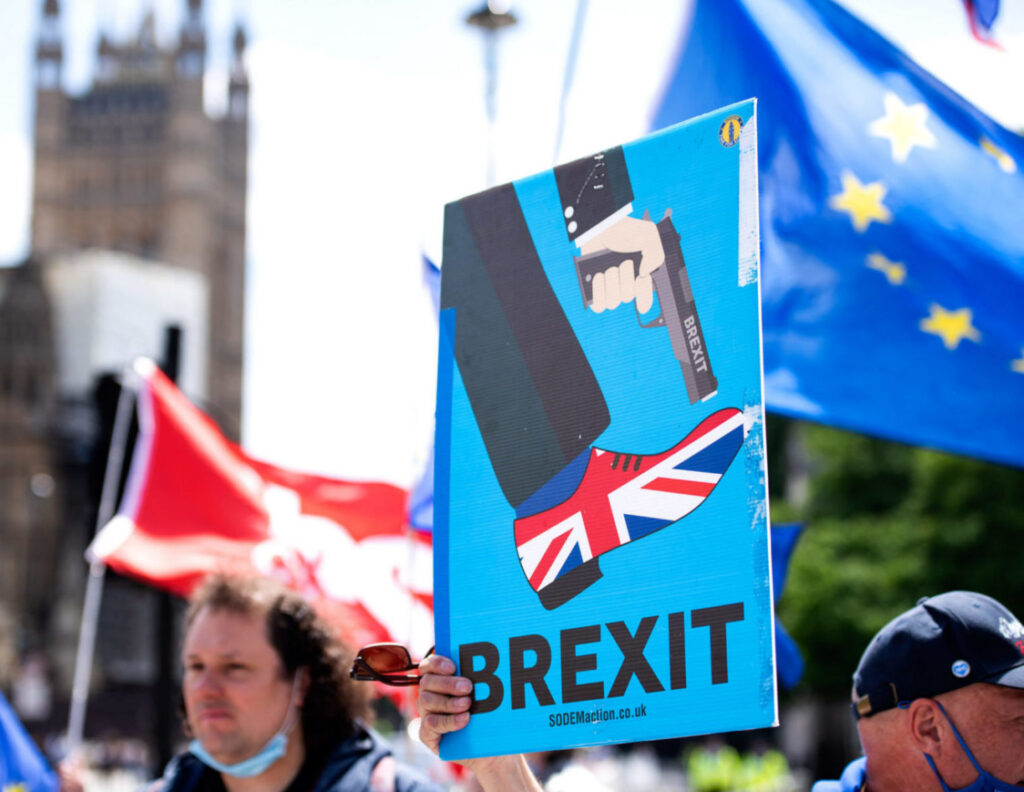
Ten years ago, the British public voted to leave the EU by a wafer-thin margin in a referendum marred by mistruths, deception and Russian interference. Our exit was then badly planned and executed, damaging the UK’s economic and political reputation.
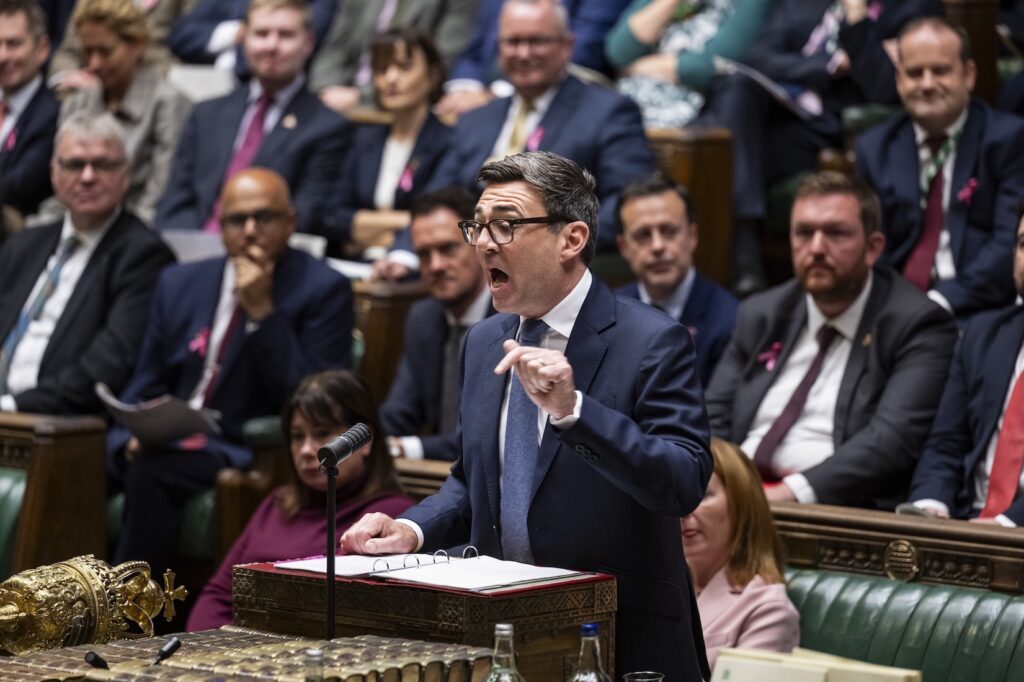
Against that backdrop, it is little wonder Andy Burnham admits Brexit was a mistake. The only surprise is how long it took for a prime minister to say what was obvious to many from the start.
I will never blame anyone for voting Leave. But what I will criticise is a campaign that fed the public fantasies of higher living standards, control over our borders and freedom from laws imposed by Brussels.
Britain leaves the European Union after 47 years of membership
None of this materialised. What we got instead was an eye-watering spike in the cost of doing business with the EU. Mountains of additional paperwork and crippling red tape have pushed many South Devon fishers, shellfish exporters and farmers to the brink, and overall, Brexit has reduced UK exports to the EU by 12%.
We also lost our seat at the table, helping to shape European legislation. The Leave campaign portrayed the UK as a passive member of the EU, a rule-taker not a rule-maker – simply not true. We were not dictated to by Brussels; we helped make the rules.
I know that because I was fortunate enough to have a seat at that table, serving in the European Parliament and being directly involved in designing and implementing legislation that affected the UK.
But our representation at the European Parliament was only as effective as the people we sent, and unfortunately when it came to fishing – one of the most contentious issues during the referendum – we sent Nigel Farage.
Ukip tops poll in European elections in political ‘earthquake’
He attended just one out of 42 European Parliament fisheries committee meetings over three years, so our fishers were literally not represented while legislation affecting them was drawn up.
It has been illuminating to see what arguments Brexiteers have levelled at the prime minister as he pursues a closer relationship with the EU. At PMQs recently, Kemi Badenoch noted her experience as a former trade minister, which drew a wry smile given the post-Brexit agreements with India, Australia and Japan will collectively deliver around 0.25% of GDP – a pathetic substitute for the frictionless trade with our 27 nearest neighbours.
Others have accused the PM of being stuck in the past or ignoring the greater challenges the country faces. But these arguments belie the fact that public opinion has shifted. Today, 73% of voters want the UK to have a closer relationship with the EU. Nearly half support rejoining the customs union, which the Liberal Democrats have long argued could substantially boost growth.
Whatever people’s views on Brexit, we cannot change geography. I welcome the prime minister’s recognition that we must face up to the reality that Brexit has done more harm than good, and that the status quo is not good enough.
The Liberal Democrats have been saying that for a long time, and we will continue to do so. We are clear about the need for a growth and security partnership with the EU that rebuilds our economy while enabling us to tackle shared challenges.
In today’s interconnected world, isolationism simply does not work. It is time to move beyond the politics of grievance and focus on the art of the possible. For me, that means the possibility of rejoining the EU as a full and active member.