
Hongkongers who stood up for democracy have paid a heavy price. Some have lost their freedom, spent years in prison and emerged to find the city they knew changed beyond recognition. Now, for some seeking a future in Britain, the convictions used to silence them are being used to turn them away.
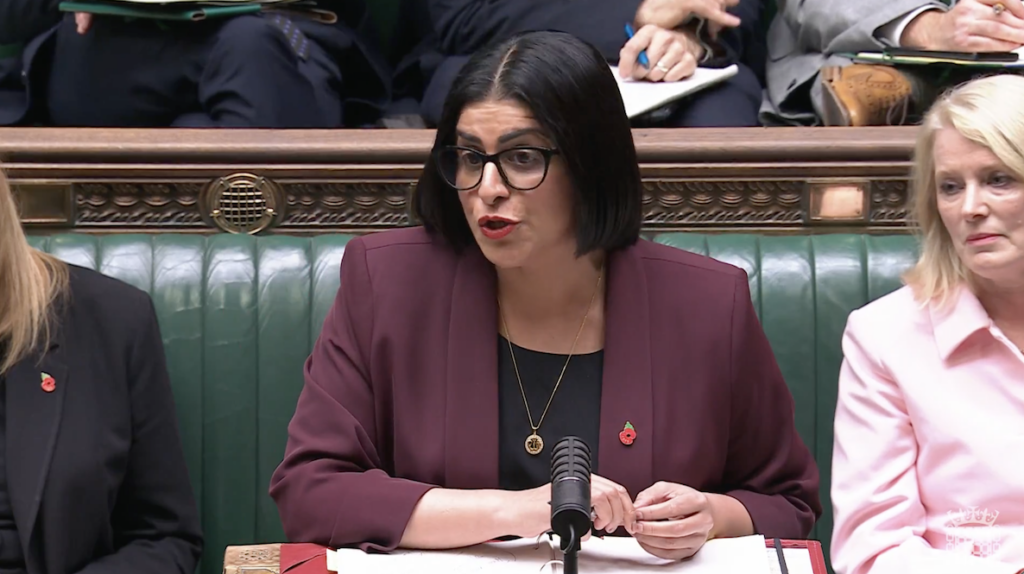
I raised this in parliament because it is an emerging scandal. Britain cannot promise people a route to safety, then shut the door because they were persecuted for defending the freedoms we support.
In my borough of Sutton in South London, we are proud to be home to a large Hongkonger community. This matters to people building their lives here, as well as those still hoping to join them.
Our responsibility to Hong Kong is rooted in our history. When the territory was handed over to China in 1997, the Sino-British Joint Declaration set out protections for its rights, freedoms and way of life. Beijing has broken those commitments. Democratic opposition has been crushed and national security legislation used to punish dissent.
Britain was right to establish the British National (Overseas), or BN(O), visa route in response. It gave eligible Hongkongers and their families the opportunity to live and work here, with a pathway to citizenship. It was a commitment that, as their freedoms were taken away, Britain would offer them a future.
That commitment is now being tested.
Alongside fellow MPs, I have received reports of applications being refused because of convictions linked to the 2019-2020 pro-democracy protests. Some applicants received prison sentences of more than a year for “rioting”, despite accounts that they were engaged in peaceful democratic protest.
Rioting is, of course, a criminal offence in Britain. But accepting the same word on a conviction document is no substitute for examining the evidence. The question is what someone actually did, and whether they were prosecuted for exercising rights we defend here.
Under the immigration rules, a custodial or suspended sentence of 12 months or more triggers mandatory refusal. Guidance also says overseas offending must be disregarded where the conduct would not be criminal in Britain. That protection must work in practice for peaceful protesters.
We have raised these concerns directly with the Home Office. Its response is that discretion can be applied. Yet the mandatory wording of the rules, and the refusals we have seen, leave a serious gap between that assurance and applicants’ experience.
Ministers must close it. Someone deciding whether to leave their home and rebuild their life here deserves a clear answer.
To add insult to injury, refusal letters we have seen describe convictions handed down by a “competent foreign court”, without adequately addressing their political context. Britain’s concerns about Hong Kong’s justice system were serious enough for serving UK judges to withdraw from its highest court in 2022. Our immigration decisions must take those concerns seriously too.
We are asking the government to write explicit discretion into the immigration rules and caseworker guidance for “rioting” and National Security Law convictions connected with the pro-democracy movement. Each case must be assessed on the evidence, with proper consideration of political persecution and the applicant’s actions.
Ministers must also announce this publicly, so Hongkongers and their legal advisers know where they stand. A route to safety is of little use if those who need it cannot establish whether it is open to them.
Britain should be proud to offer a home to people who risked everything for democracy. They marched for freedoms we exercise every day, knowing they could lose their liberty for doing so. If we allow the convictions used to silence them to become the reason we turn them away, we give that repression a reach it should never have on British soil.
We made a promise to Hongkongers. It is time to keep it.