United Ireland
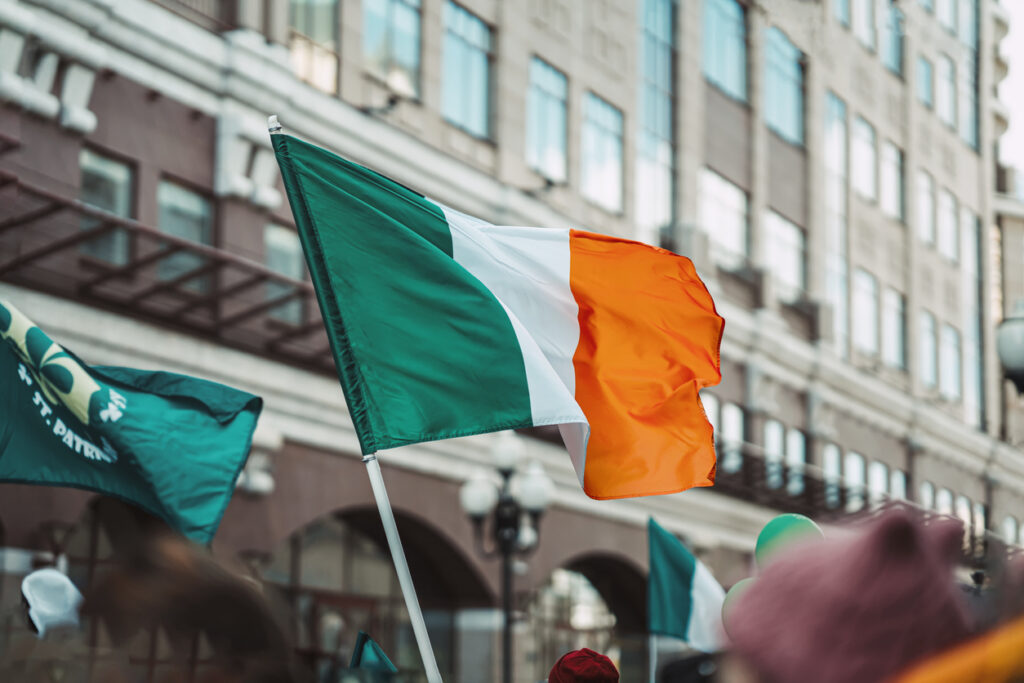
Ireland was partitioned on 3 May 1921 under the Government of Ireland Act 1920. The Government of Ireland Act 1920, or Fourth Home Rule Bill, recognised what would become Northern Ireland (six north-eastern counties in Ulster) and the south of Ireland (the 32 counties that would later constitute the Irish free state). However, the act […]
Welsh independence
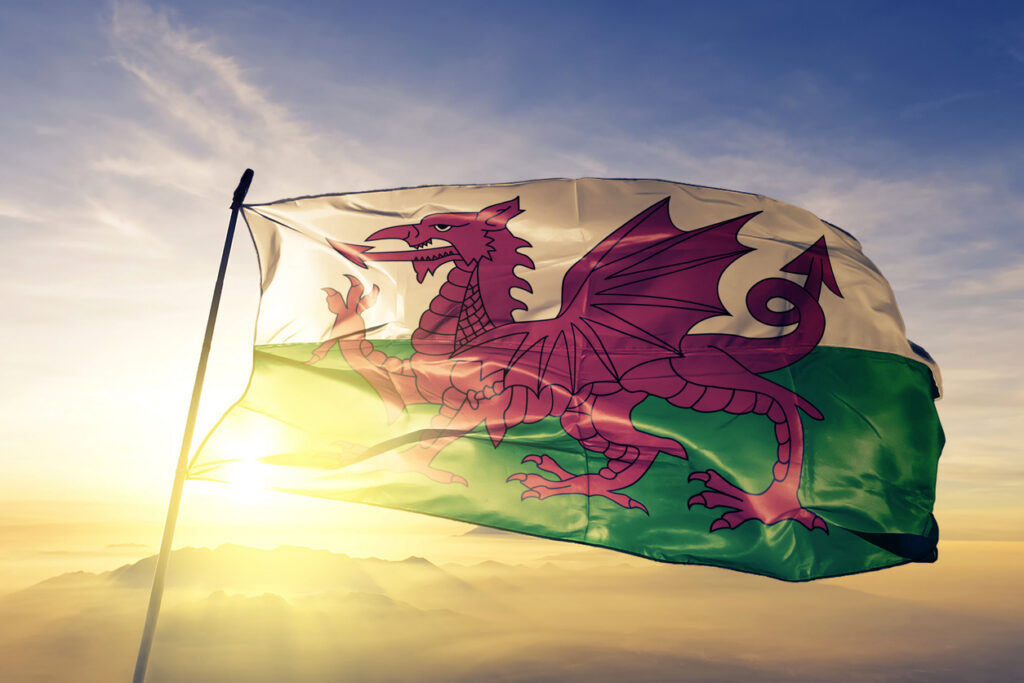
Welsh independence has mostly existed at the margins of Welsh politics since the formation of Plaid Cymru in 1925. In January 2026, a poll conducted by YouGov recorded support for Welsh independence to be running at just 26%. This came in response to the question: “If there was a referendum tomorrow on Wales becoming an independent […]
Scottish government

The Scottish government is the devolved government for Scotland, responsible for formulating and implementing policy on most aspects of domestic life. It is led by the first minister, who is nominated by the Scottish Parliament and formally appointed by the monarch. The government is accountable to the Scottish Parliament at Holyrood, Edinburgh. Its ministers are […]
Scottish Parliament
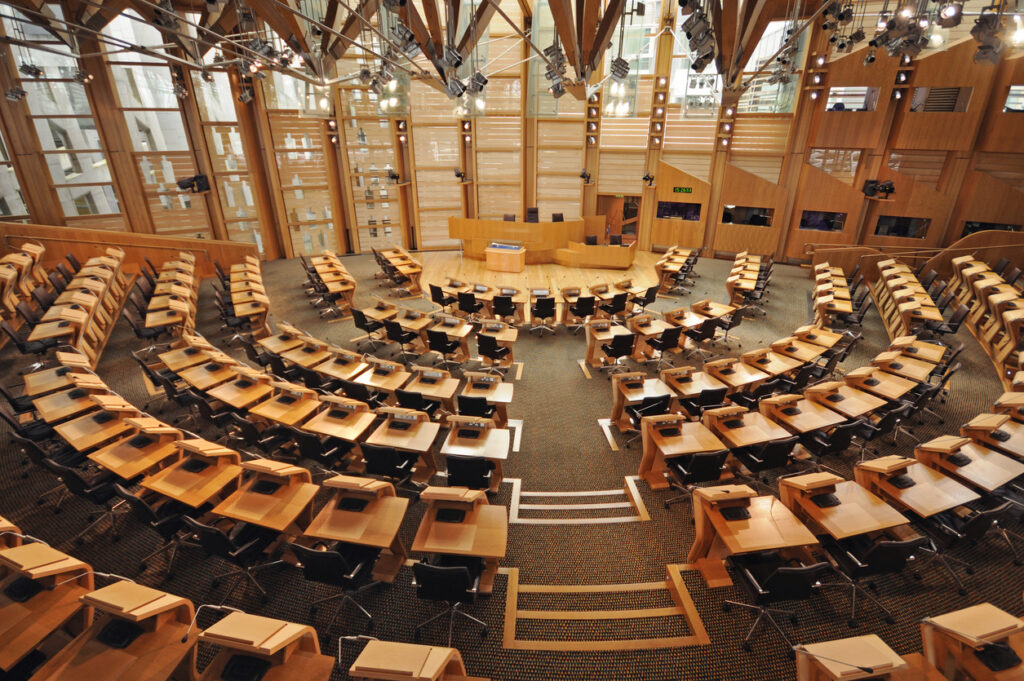
The Scottish Parliament, often referred to by its location as “Holyrood”, is the devolved, unicameral legislature of Scotland. Established in 1999, its core functions are to make laws on a wide range of domestic matters, to scrutinise the work of the Scottish Government, and to represent the people of Scotland. The parliament is composed of […]
Scottish independence
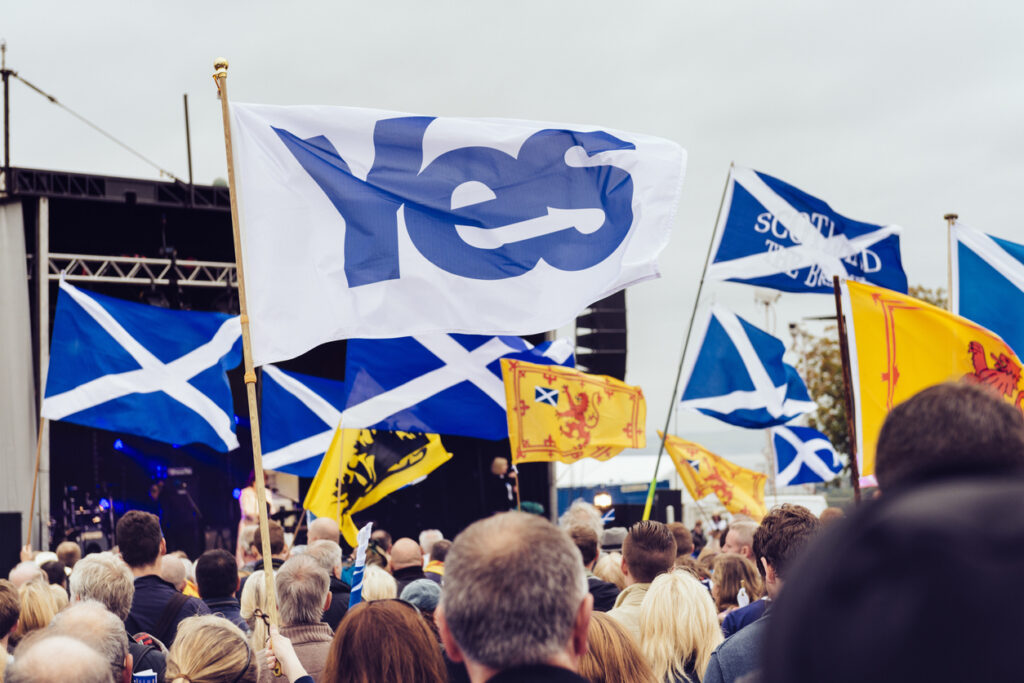
The question of Scottish independence is a central and enduring feature of Scottish and UK politics. The debate centres on whether Scotland should end the 300-year-old political union with England and become a sovereign state, independent from the United Kingdom. While the 2014 independence referendum resulted in a 55.3% to 44.7% vote to remain in […]
Senedd Cymru

Senedd Cymru, also known as the Welsh Parliament, is the devolved legislature for Wales. Established in 1999, the legislature exists to represent the interests of the people of Wales, make laws for Wales, agree Welsh taxes and to scrutinise the work of the Welsh government. The Senedd is a bilingual institution, operating in both Welsh […]
Sewel convention
The Sewel convention is a constitutional principle that governs the relationship between the UK parliament at Westminster and the devolved legislatures in Scotland, Wales, and Northern Ireland. The convention states that the UK parliament will “not normally” legislate on a matter that is devolved without first seeking the consent of the relevant devolved legislature. It […]
Mayor of London
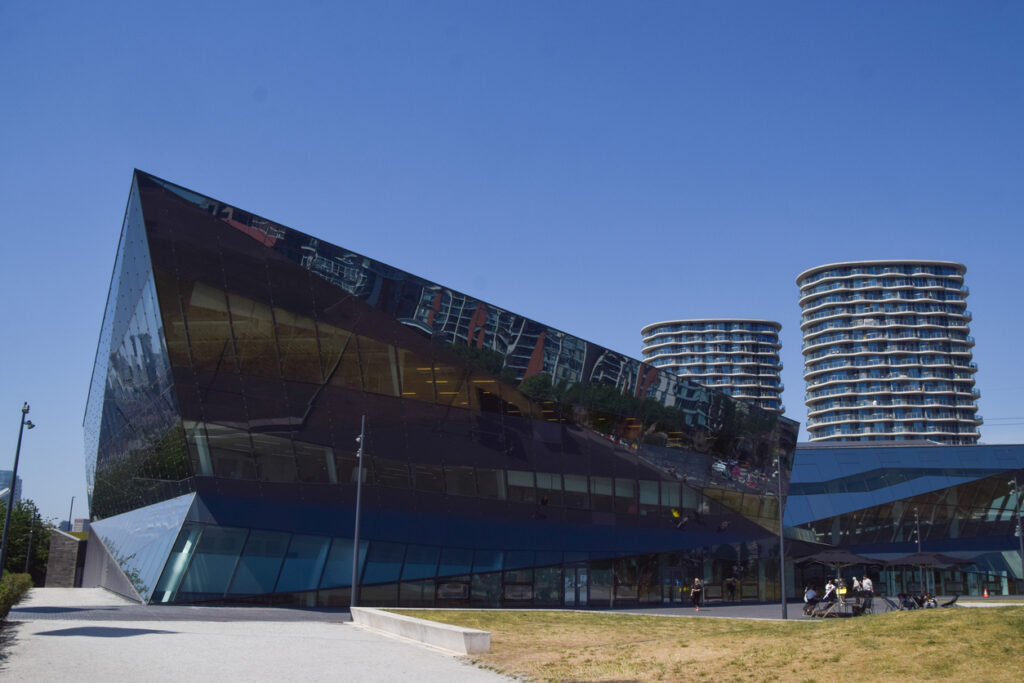
The Mayor of London is the directly elected executive head of the Greater London Authority (GLA), responsible for the strategic government of the capital. The role was created in 2000 under the Greater London Authority Act 1999 to provide London with a unified, democratically accountable leader – for the first time since the abolition of […]
Northern Ireland Assembly
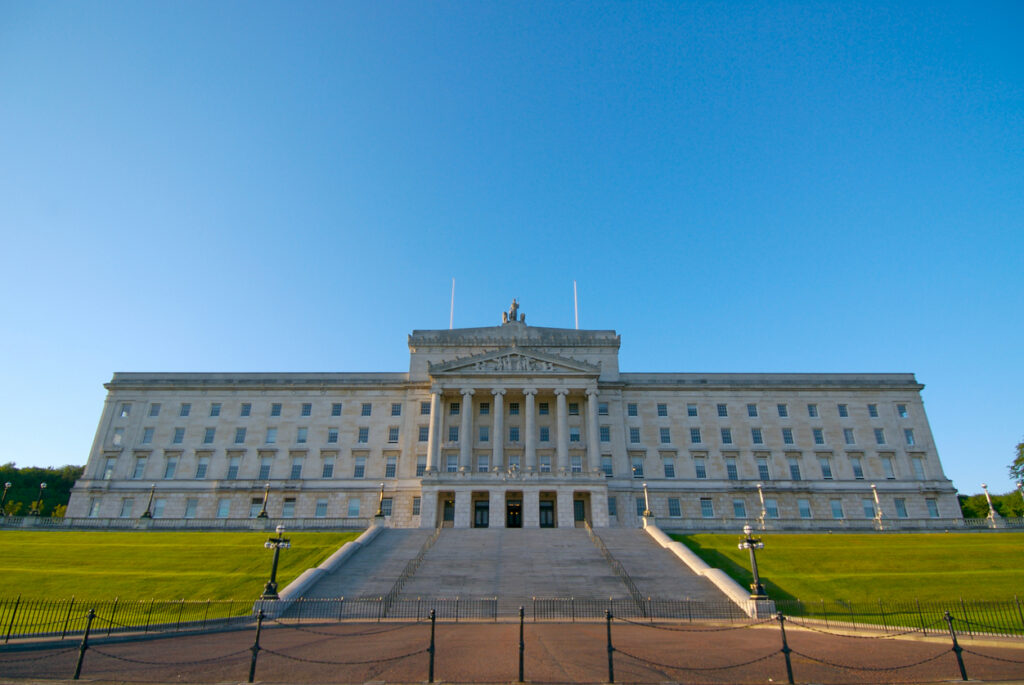
The Northern Ireland Assembly is the devolved legislature for Northern Ireland, established by the Belfast/Good Friday Agreement of 1998. Based at Parliament Buildings, Stormont, in Belfast, the Assembly has the power to legislate on a wide range of domestic matters and is responsible for appointing the power-sharing Northern Ireland Executive. The assembly’s core feature is […]
Local government structure

Local government in England provides a range of public services and is structured primarily through either a one-tier or two-tier system. The one-tier system consists of a single council responsible for all local services, known as a unitary authority. The two-tier system divides responsibilities between a larger county council and several smaller district councils. The […]