Great offices of state
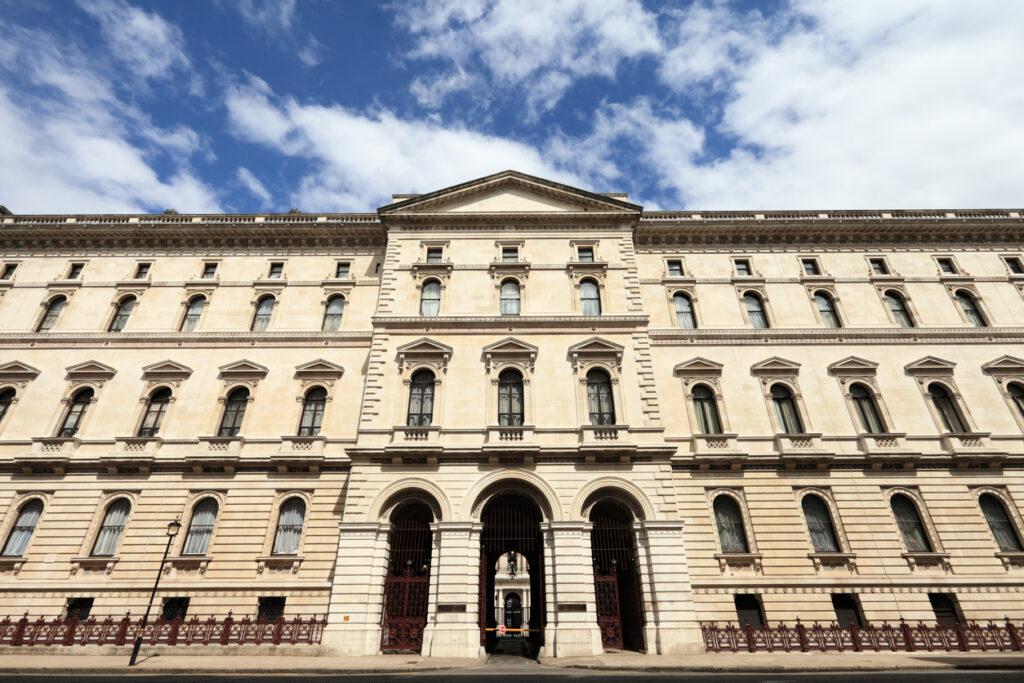
The great offices of state are the four most senior and prestigious ministerial posts in the United Kingdom government. They are the only positions that have been continuously occupied in cabinet for centuries, and even predate the modern cabinet system. The four great offices of state are: prime minister, chancellor of the exchequer, foreign secretary, […]
The budget
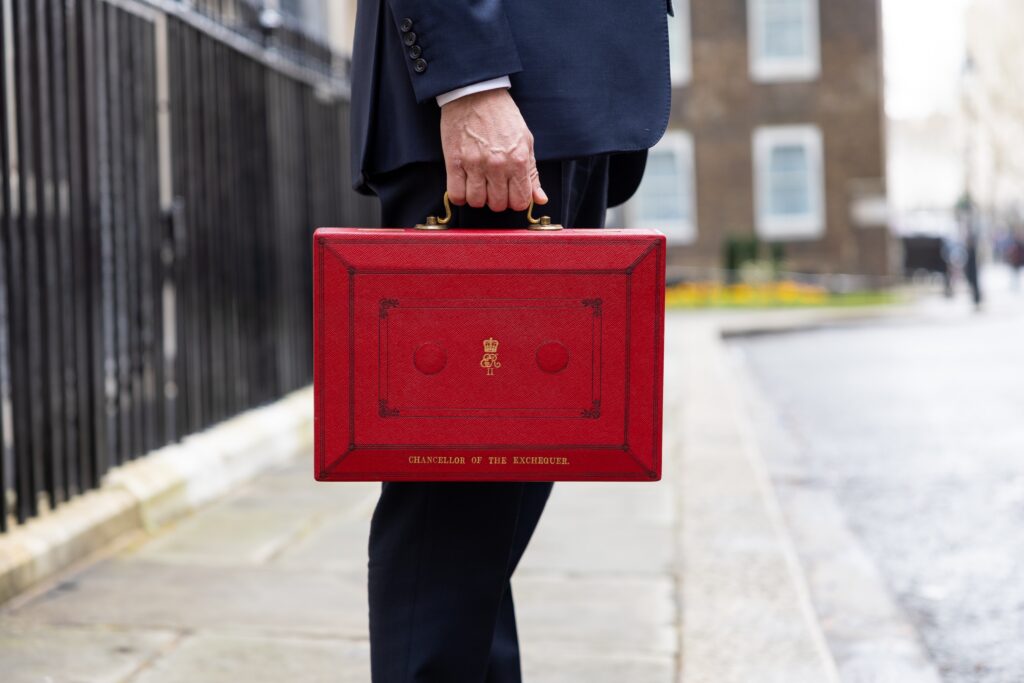
The budget is the UK government’s annual statement on the nation’s finances and its proposals for changes to taxation and spending. It is presented to the House of Commons by the chancellor of the exchequer in a major speech that is one of the main set-piece events of the political calendar. The speech is accompanied […]
Cabinet reshuffle
A cabinet reshuffle is the process by which a prime minister changes the composition of their top ministerial team. The power to appoint, dismiss and move ministers between departments is one of an incumbent prime minister’s most significant personal powers, known as the power of patronage. A major reshuffle can involve a large number of […]
Quangos

“Quango” is a widely used term for a public body that is not a government department but for which government ministers are ultimately accountable to parliament. The term, which stands for “quasi-autonomous non-governmental organisation”, is often used pejoratively by critics. The official term used by the UK government is “arm’s-length body” (ALB). These organisations are […]
Purdah
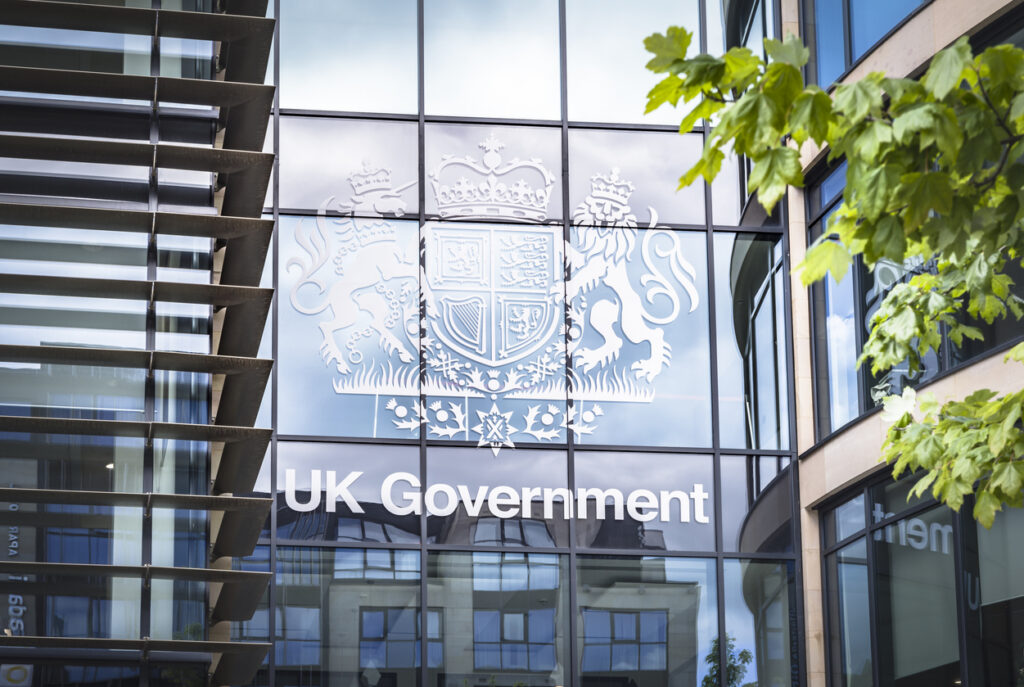
The pre-election period is the time frame immediately before an election or referendum during which special restrictions apply to the communications and activities of central government, local authorities and other public bodies. It is often referred to by its traditional, informal name, “purdah.” The word “purdah” derives from Urdu and Persian, meaning “curtain” or “veil”. […]
Office for Budget Responsibility (OBR)

The Office for Budget Responsibility (OBR) is the United Kingdom’s independent fiscal watchdog. It is a non-departmental public body tasked with providing independent and authoritative analysis of the UK’s public finances. The OBR was established in 2010 with the primary objective of removing any political biases and possible prejudices from fiscal forecasting. Its analysis forms […]
Prime minister’s official spokesperson
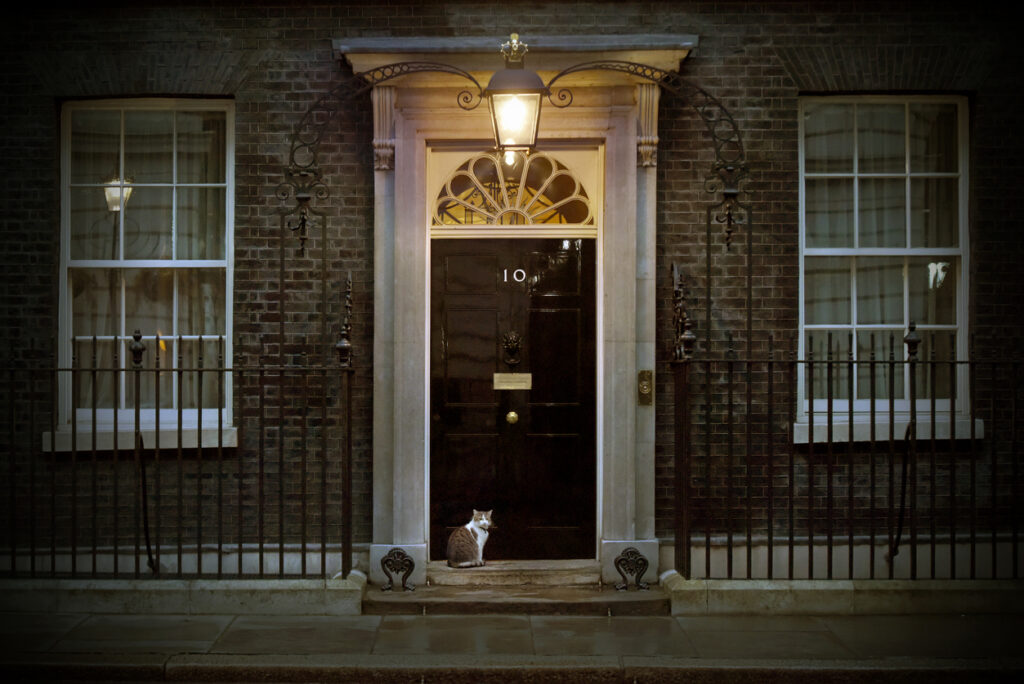
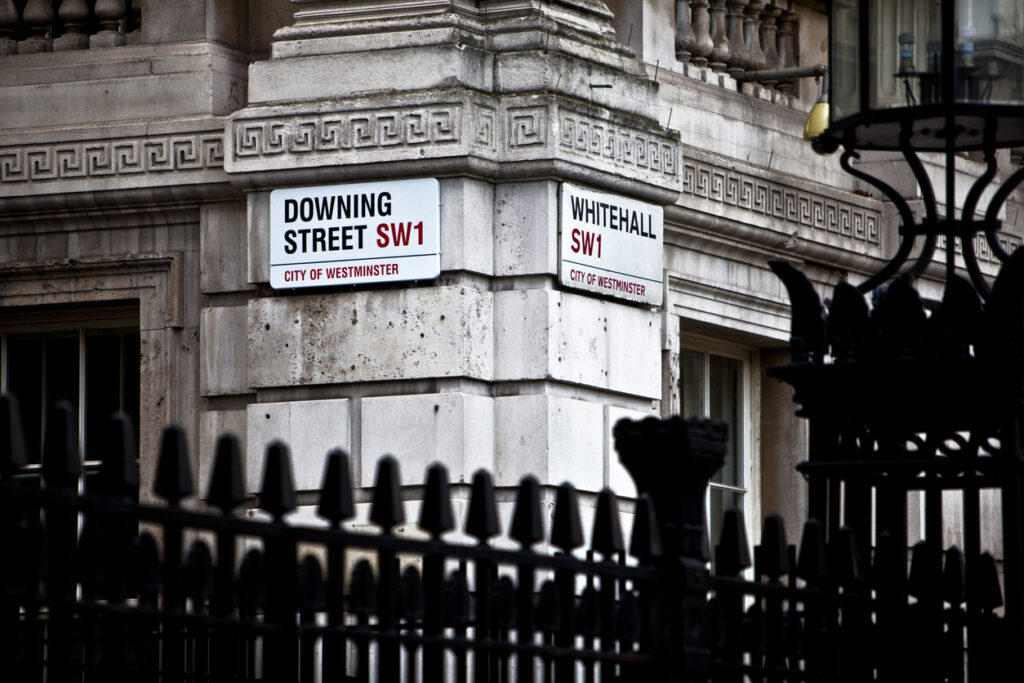
The prime minister’s official spokesperson is a senior civil servant responsible for communicating the official position of the government to the media. The spokesperson is a politically impartial official who works at the heart of 10 Downing Street. The role serves as a link between the Prime Minister’s Office and the accredited political journalists based […]
Prime minister
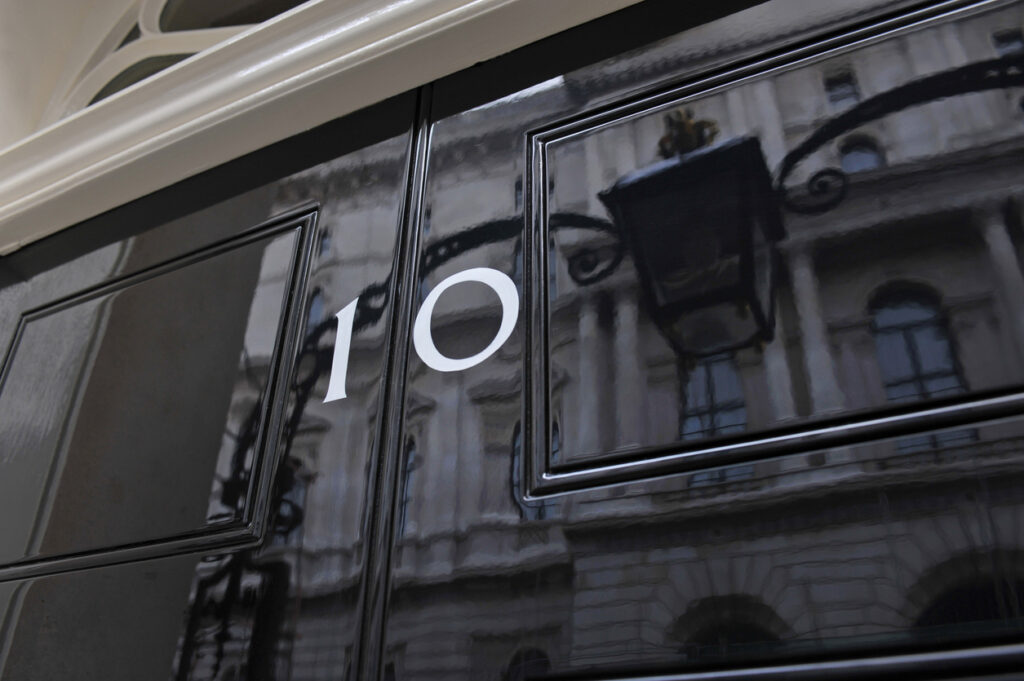
The prime minister is the head of the government of the United Kingdom. By constitutional convention, the prime minister is the individual best placed to command the confidence (majority support) of the House of Commons – a description that generally aligns with the leader of the largest political party in the commons. The holder of […]
Permanent secretary
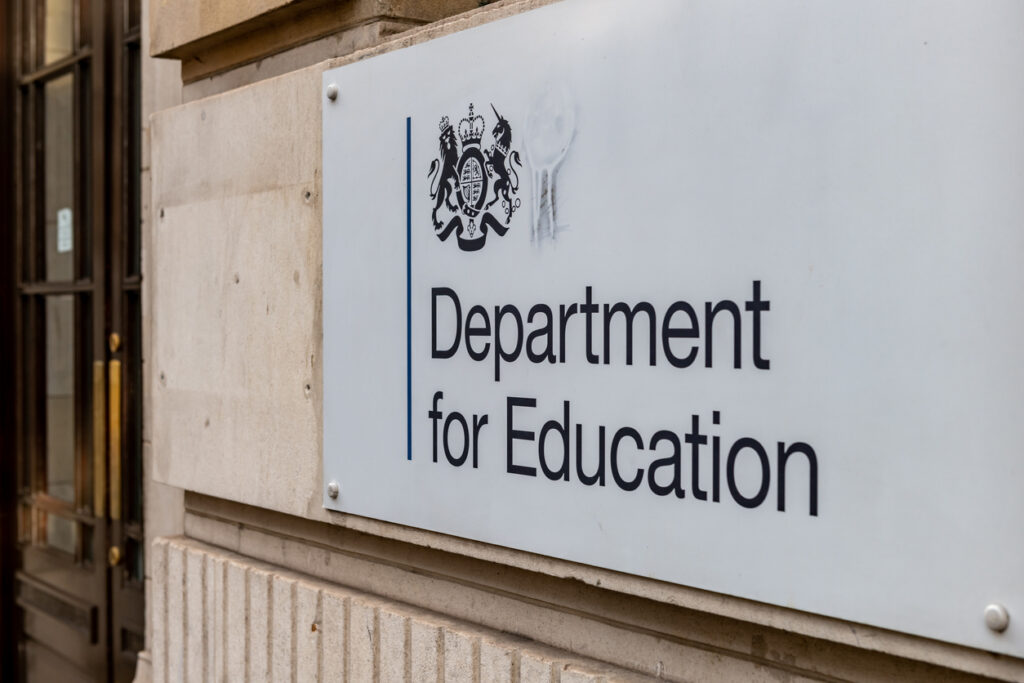
A permanent secretary is the most senior civil servant in a UK government department, responsible for its day-to-day operation and acting as the principal policy adviser to the secretary of state. Unlike government ministers, who are political appointees and change with the government, permanent secretaries are career officials who remain in post to ensure continuity […]
Parliamentary private secretaries
A parliamentary private secretary (PPS) is an MP appointed by a government minister to act as their unpaid assistant. A PPS acts as an unpaid parliamentary assistant, providing a link between the senior frontbencher and backbench MPs. The role is widely regarded as the first step on the ministerial ladder. A PPS acts as the […]