Privy council

Formally, the privy council is a body of advisers to the monarch of the United Kingdom. Historically, it was the private council of the sovereign and the primary instrument of state administration. The council is said to be as “old as the monarchy itself”. Most of its original power, exercised under the royal prerogative, has […]
Royal prerogative powers
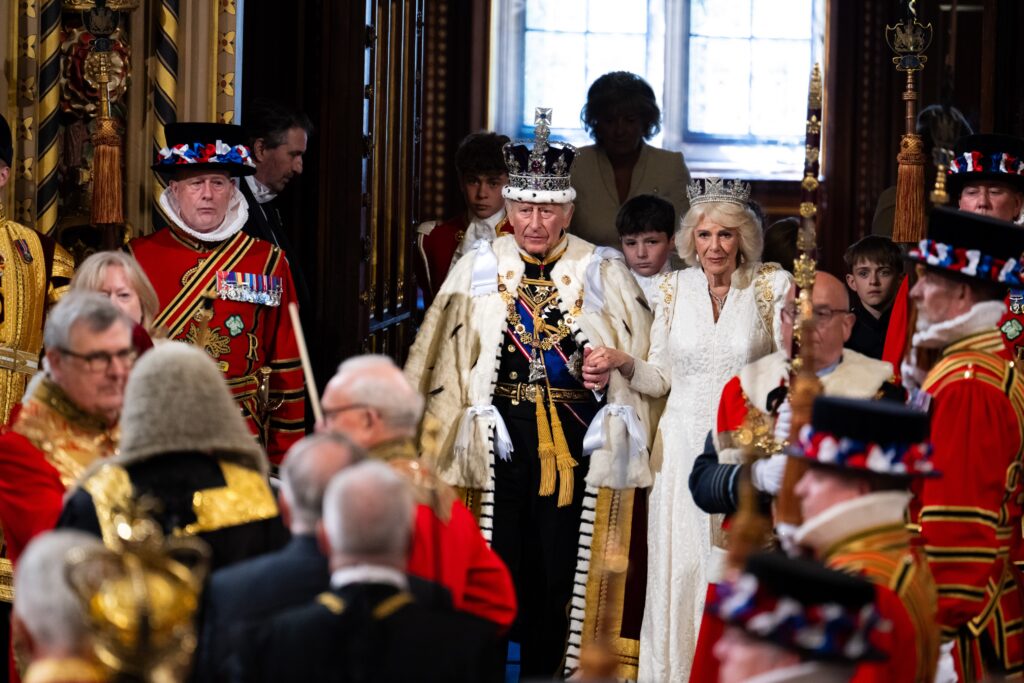
Royal prerogative powers are the residue of powers that were once exercised personally by the monarch. These powers are now almost entirely exercised by government ministers acting on the monarch’s behalf. They form a key element of the UK’s unwritten constitution, providing the legal basis for a range of executive actions. While these powers are […]
Parliamentary sovereignty
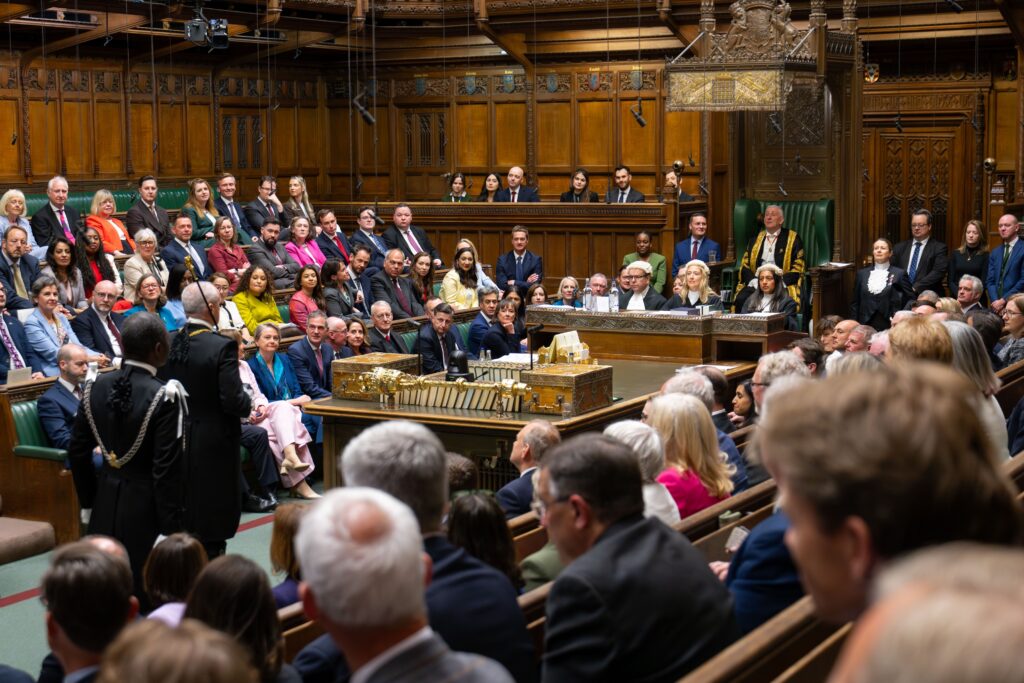
Parliamentary sovereignty is the defining principle of the United Kingdom’s constitution. It holds that the UK parliament is the supreme legal authority in the country and that it can create, amend, or repeal any law it wishes. Under this doctrine, the courts cannot overrule legislation passed by parliament, and no parliament can bind its successors […]
King’s speech
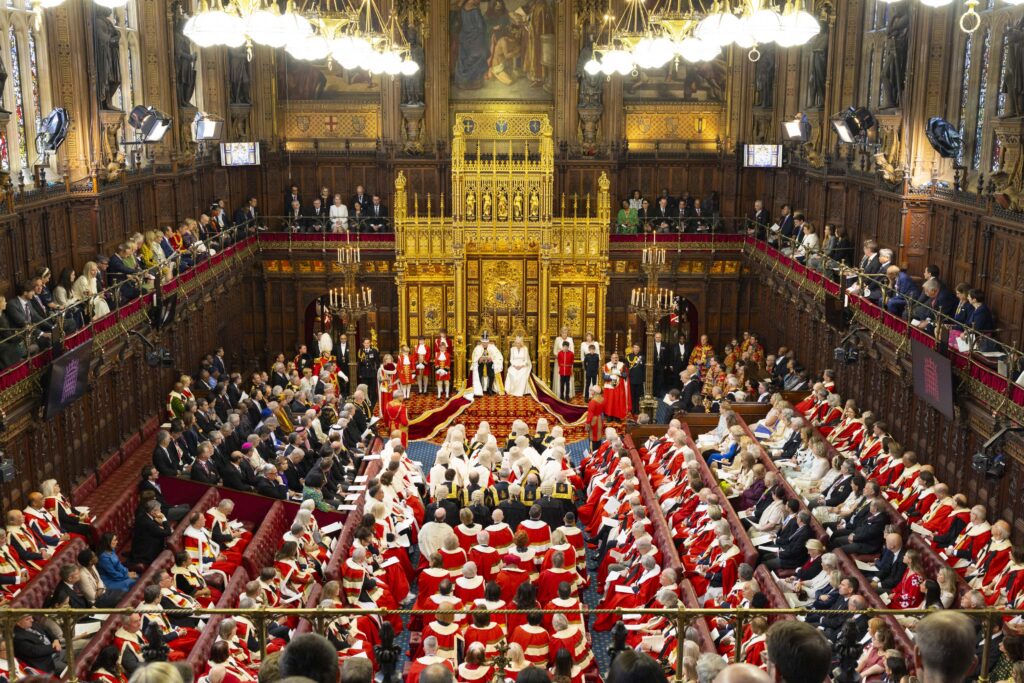
The state opening of parliament marks the formal start of the parliamentary year. It is the grand ceremonial event that brings together the three parts of parliament: the monarch, the House of Lords and the House of Commons. The ceremony is the occasion for the speech from the throne (king’s speech/queen’s speech), which announces the […]
Crown in parliament
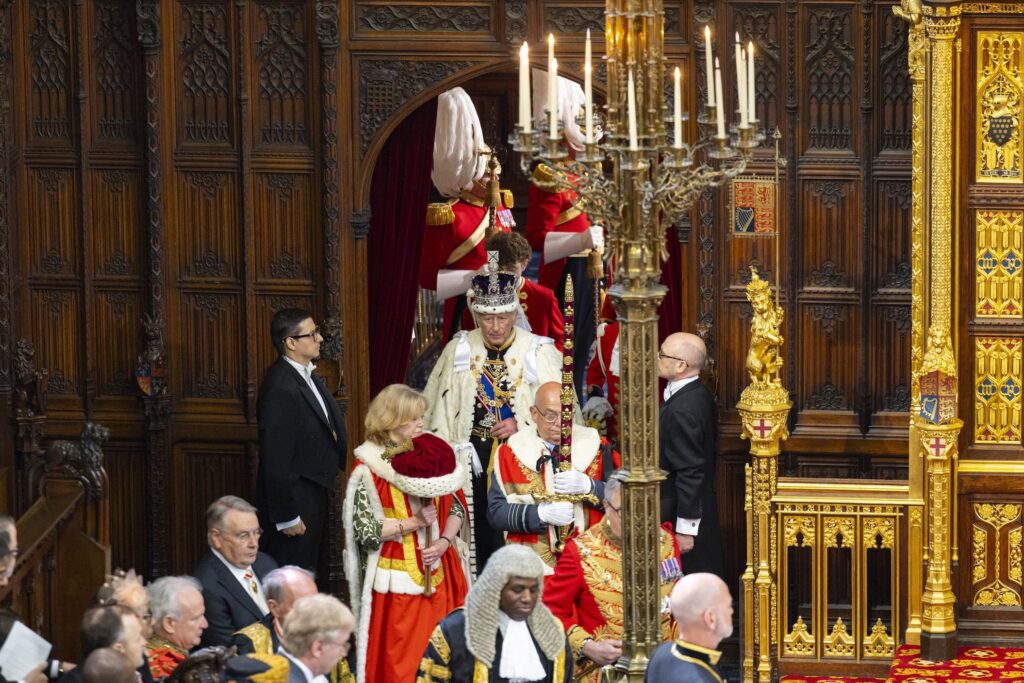
The crown in parliament, also known as the king in parliament, is the constitutional term for the supreme law-making authority in the United Kingdom. It describes the legal entity of the monarch acting on the advice and with the consent of the two Houses of Parliament – the House of Commons and the House of […]
Honours system
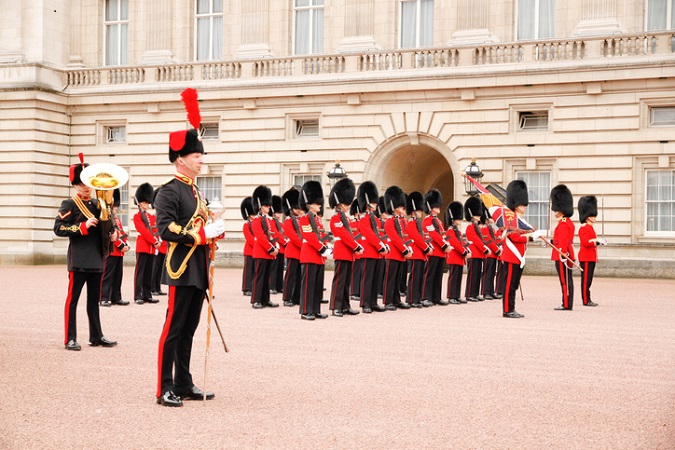
The United Kingdom’s honours system is the method by which individuals are rewarded for outstanding merit, service or bravery. Honours are bestowed by the monarch, who is the “fountain of honour”. The system encompasses a complex hierarchy of orders, decorations, and medals, many of which are centuries old. While the system is a prominent feature […]
Human Rights Act 1998
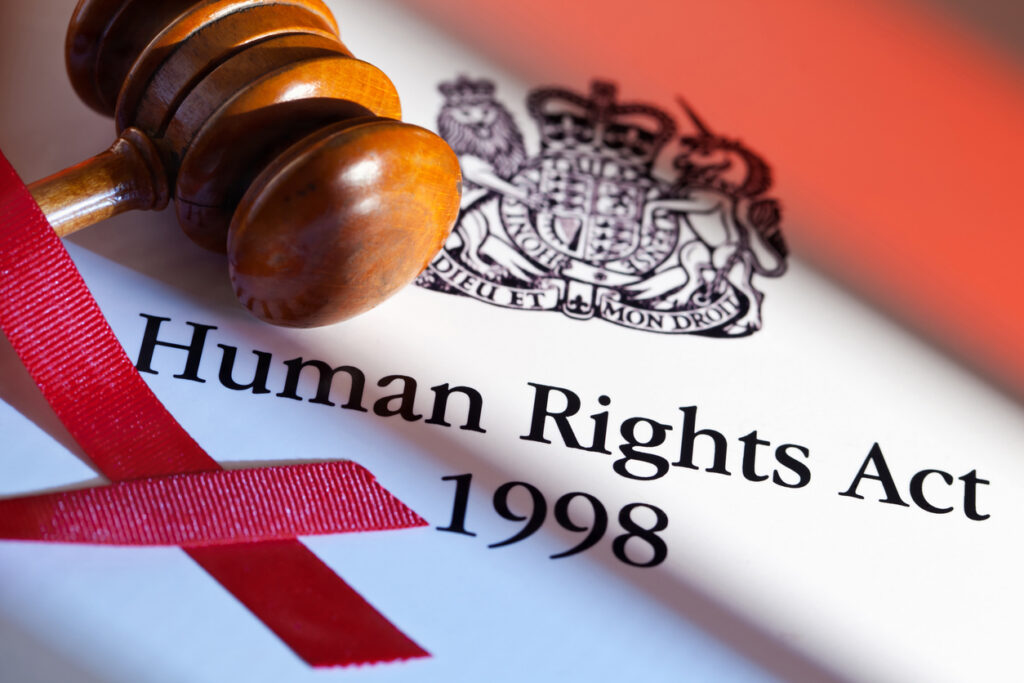
The Human Rights Act 1998 (HRA) is a landmark piece of UK law that incorporates the rights and freedoms set out in the European Convention on Human Rights (ECHR) into domestic British law. Its primary purpose is to enable people to defend their rights in UK courts and to require public authorities, from government departments […]
Black rod
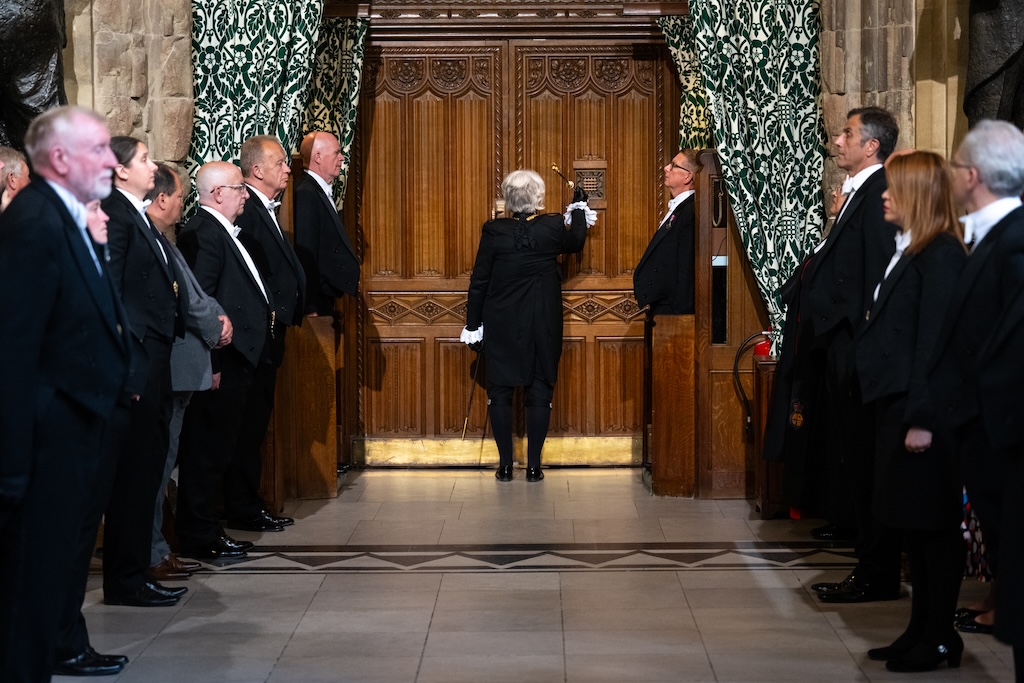
The lady or gentleman usher of the black rod, commonly known as black rod, is a senior official in the House of Lords, responsible for some administrative duties, security and ceremonial events. The role, which dates back to the 14th century, is one of the most ancient in the British parliament. Appointed by the monarch, […]
British monarchy
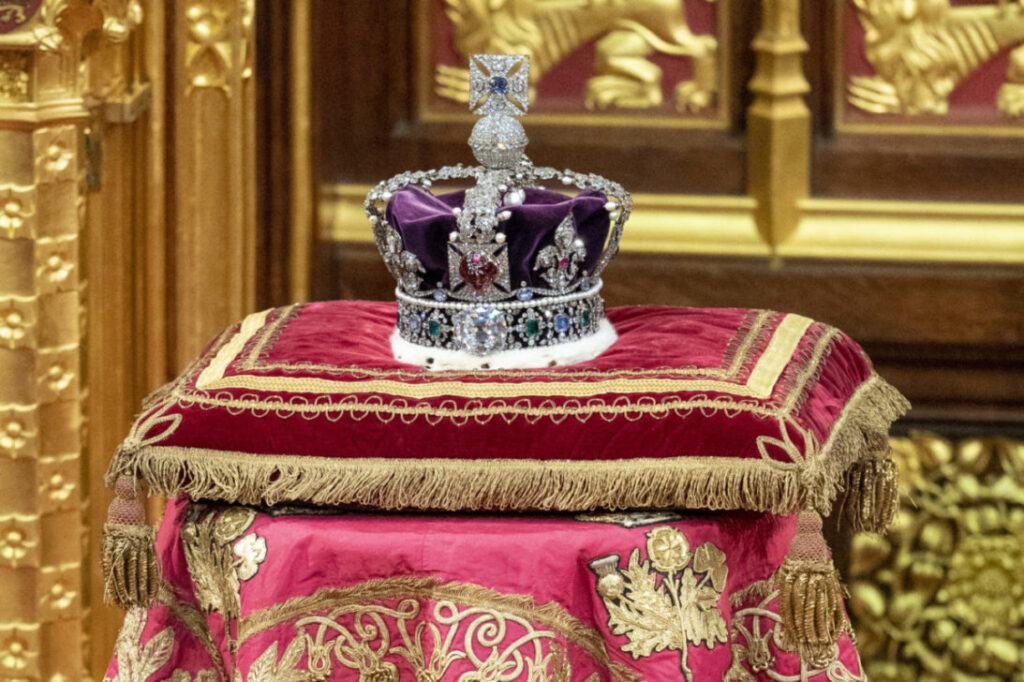
The British monarch, King Charles III, is the sovereign and head of state of the United Kingdom and its overseas territories. The British political system is described as a constitutional monarchy, where the monarch’s role is largely ceremonial, with actual power exercised by elected officials in accordance with agreed rules. The British monarch acts as […]
Codified/written constitution

A written constitution is a single, codified document that sets out the fundamental laws and principles by which a state is governed. It defines the main institutions of government, outlines their powers, and establishes the relationship between the state and its citizens. The United Kingdom is highly unusual among major democratic nations in that it […]