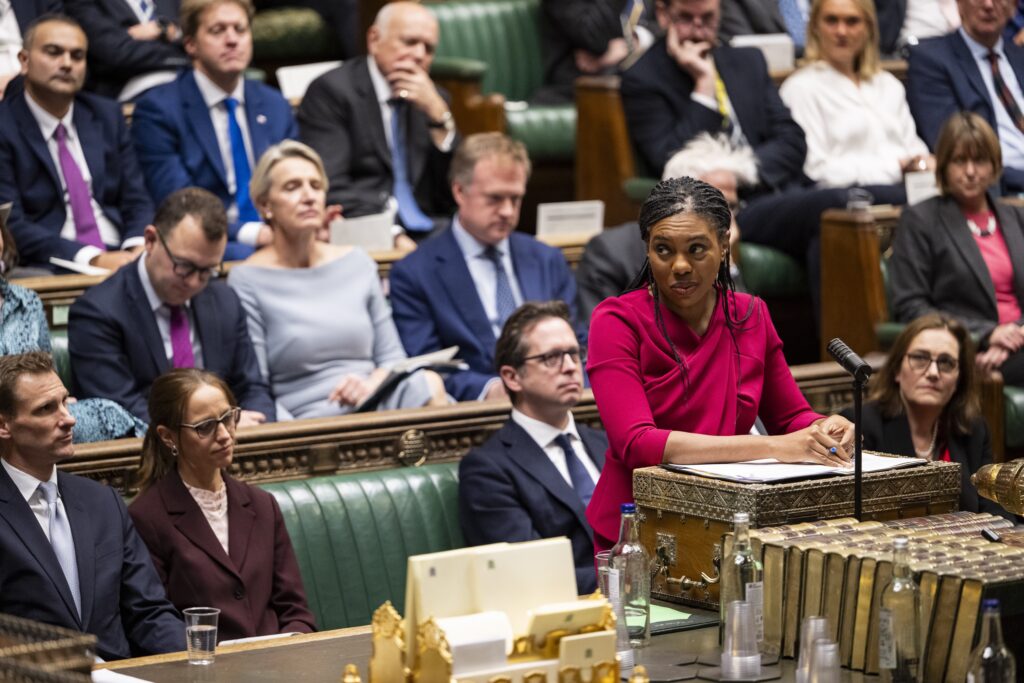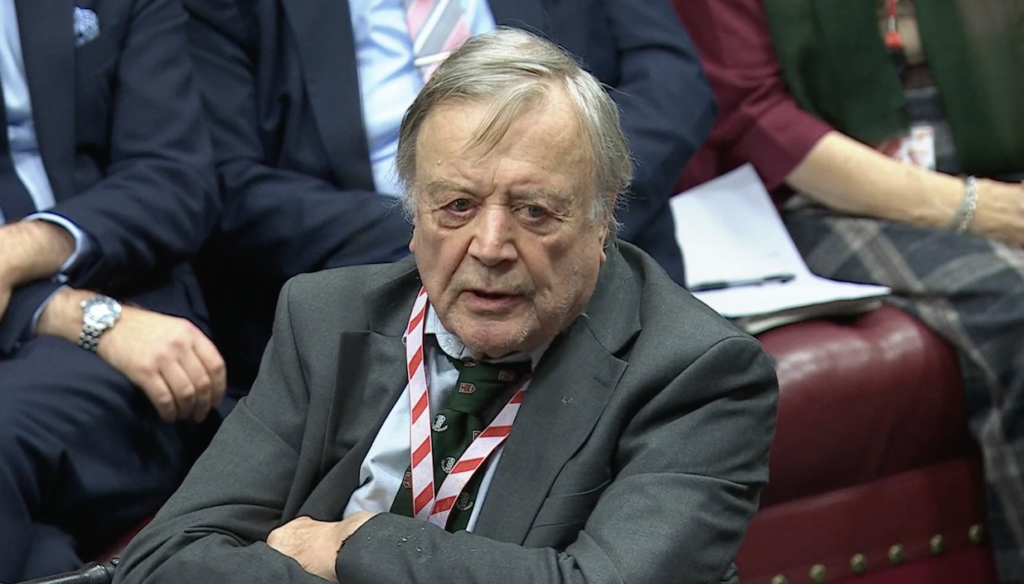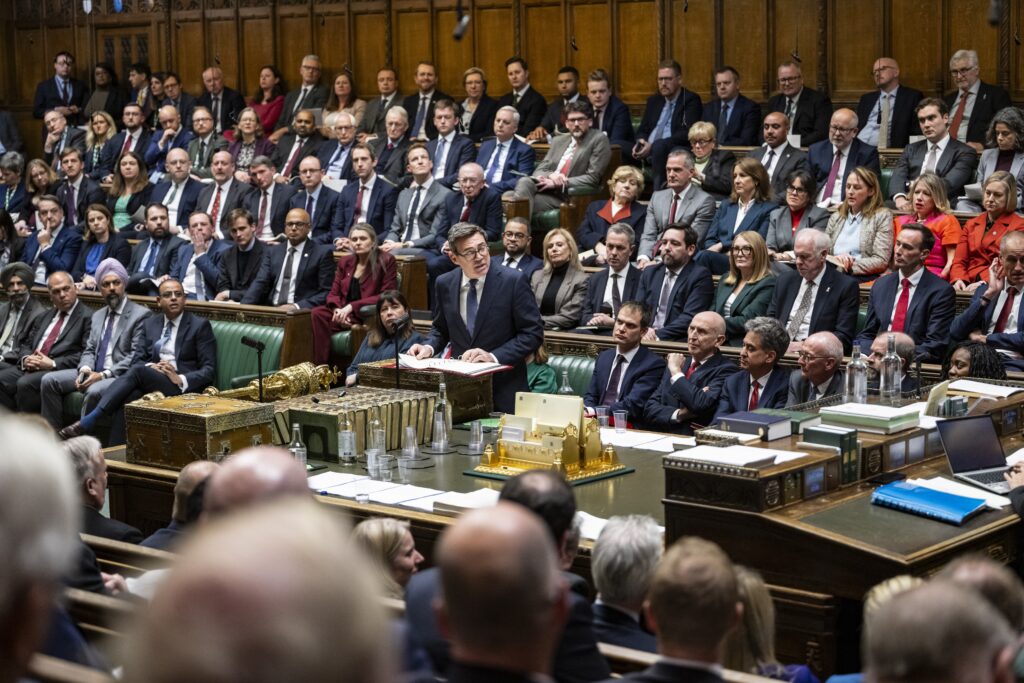
Overnight, the prime minister brought forward bans on non-disclosure agreements (NDAs) that conceal cases of workplace harassment and promised plans to protect freelancers and fans next year. Considering I asked him to do this at PMQs only last week, that’s a remarkably quick response time. But a commitment is one thing, making it happen is another.
My involvement in this campaign began nearly a decade ago when a young woman came to my constituency surgery on behalf of a group of women too frightened to meet me in person. Each had been sexually assaulted at her Oxford college, and when they reported it, they were each asked to sign a gagging order.
Those orders weren’t even legally binding, but when the institution that holds your degree, and in your eyes your whole future, puts a document in front of you, it might as well be on the statute books. The women believed it meant they couldn’t speak to the press, or even to friends, family, doctors or therapists. They felt like they were being punished as harshly as the people who had assaulted them and cut off from conversations that might have helped them heal.
The person who spoke to me was working with the campaign Can’t Buy My Silence, so I got in touch with its founder, Zelda Perkins, one of the extraordinary women who broke her NDA to help bring down Harvey Weinstein. I have worked with her ever since. This has been a truly cross-party campaign, led by women for women. I have worked alongside Maria Miller, Jess Phillips, Louise Haigh, and many more. Our goal has always been to stop the law being used to protect institutions over victims. How hard could that be?
We have pushed, and pushed, and pushed. We changed the Victims’ Code. The Higher Education (Freedom of Speech) Act banned clauses that conceal bullying and harassment in universities. The Employment Rights Act extended that protection to the workplace.
But still, after years of incremental progress, there remained a glaring loophole. As the Russell Brand case reminded us, particularly where there is a power imbalance, this can happen to almost anyone. While we have made progress with recent changes to the law, and best believe I celebrated each one, they have been piecemeal, protecting only one section of society at a time. It is great that students and employees are covered, but Zelda Perkins has told me that the majority of Brand’s victims who signed NDAs were freelancers or members of the general public and would not have been protected by current laws.
So last week I raised this issue at prime minister’s questions. The PM agreed that “NDAs should never be used to silence victims” and I was delighted when he promised to look at freelancers.
But I wrote to him afterwards to make it clear that freelancers are not the only ones at risk. If a fan, or anyone else, is harassed, discriminated against or bullied by a powerful person, nobody should be able to buy their silence.
At PMQs, he said he would “do exactly what she says”, but I didn’t quite expect him to do so this quickly! The prime minister has the right intentions. Now comes the hard part. How can we turn them into reality?
Zelda Perkins and I want a legal ban on lawyers drafting these clauses in any civil case. Under current rules, legal professionals cannot draft NDAs that hide known fraud or wrongdoing. I dare anyone to argue that harassment, discrimination or bullying deserve any less. Rather than protecting one group of people at a time, the fastest and most effective way to eliminate this foul practice is to make sure these clauses are never written in the first place.
Once they are made, victims often sign because they want it all to go away. They are in the middle of their trauma, and the money could be life-changing for them, even if it is small change to their perpetrator – who, I’m sorry to say, is usually a man. Victims are told it is in their best interests. “Do you want to be seen as a troublemaker?” someone may ask, or “Do you want this story following you forever?” Then the silence sets in, and the trauma stays locked inside where it does the most harm.
Society pays a price too. If repeated behaviour is never recorded, how do we know someone is a persistent sex pest? Low-level misconduct escalates. When patterns are hidden, nobody can join the dots until something criminal has happened, and the organisations around the powerful actor, chief executive or manager close ranks.
Victims deserve better, and their voices should never be bought, anywhere, anyhow. Now comes the final push. The prime minister said he would do exactly what I say. I am saying ‘finish the job’.
Louise Haigh: ‘NDAs are silencing victims of workplace abuse — urgent reform is needed’