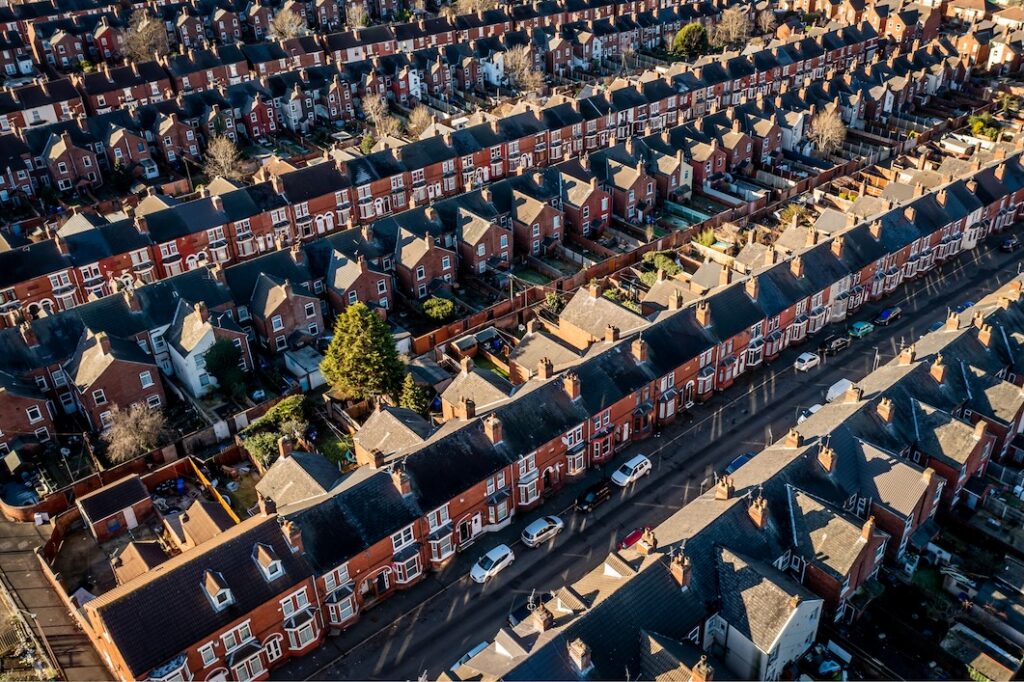
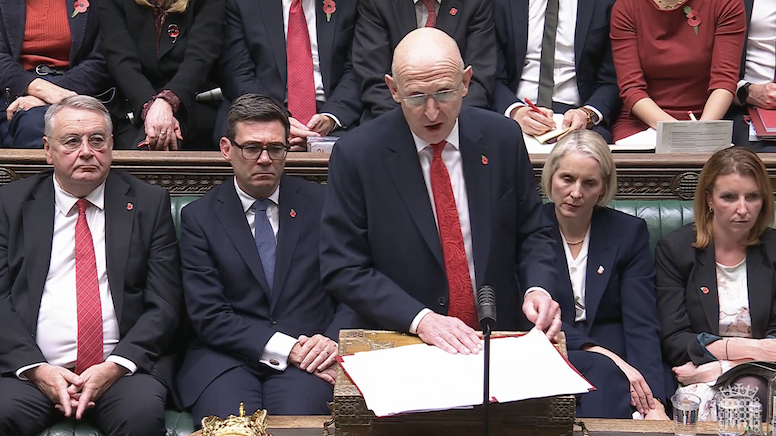
John Healey has announced a £100 energy payment for 20 million households in council tax bands A to D, paid directly into bank accounts this winter.
Delivering his first budget as chancellor, Healey said the £2.6 billion scheme would “take the pressure off in the coldest months and see people through to the spring”. He said the Scottish, Welsh and Northern Ireland governments would receive their share of the funding, and called on them “to do the same”.
Healey framed the budget as one “for the working people of Britain, for British businesses, big and small, delivered at a time when global uncertainties and pressures are swirling worldwide and hitting people here at home”.
He set out three aims, declaring the government would give Britain “some breathing space” on the cost of living and the cost of business, back enterprise to “unleash innovation and growth in every postcode”, and tackle “the big challenges on energy, on national security, on public service procurement and transformation, and on housing”.
Healey, who was appointed chancellor by Andy Burnham in July 2026, said the cost of living was being driven up by the war in the Middle East. “Oil is up from around $70 a barrel to well over $100, and gas prices have nearly tripled since February,” he said. “For families, this means higher prices at the pump, higher energy bills, higher mortgages.”
He told MPs: “My choice in the budget today is to give families and businesses some breathing space now, and to begin the radical reform of energy to reduce bills in the future.”
The chancellor also extended the VAT cut on electricity through the winter and spring to July, which he said would take £50 off the annual price cap. He said the government will ask Ofgem to remove standing charges from household gas bills from next year, and that he would extend the 5p cut to fuel duty to July.
For business, Healey said a new British industrial competitiveness scheme would take 25% off electricity bills for 10,000 firms from April.
Healey said providing support “has meant raising some tax to meet my commitment to fiscal discipline.” He said banks “will pay an extra 3% on the bank surcharge”, time-limited “to pay for immediate support on energy bills starting in January, ending 15 months later”.
He said he was raising machine games duty from 20% to 25% for higher-stakes machines, while protecting pubs and seaside arcades, to pay for support for high streets. Adult gaming centres and vape shops would be carved out of business rates reliefs, he announced.
Healey said he would increase the rates on tax on income from property and savings by two percentage points from April 2027, with no change to tax on dividends or employment income. He said that “88% of people will pay no more tax on their savings.”
Healey said he had kept the Labour manifesto promise not to raise tax on working people, insisting he had “rejected broad-based tax rises or slashing public services, recognising that families and businesses need this breathing space.”
The chancellor further announced that he was raising the threshold for small business rate relief for retail, hospitality and leisure from £12,000 to £18,000, taking 70,000 more businesses out of business rates.
Healey also announced an additional £430 million to ensure everyone sleeping rough can access a route off the streets for the remainder of the parliament. “This is a moral mission for me; it’s a moral mission for the prime minister; it is a moral mission for the Labour Party”, he told MPs.
Healey said he met the government’s fiscal rules, and that the Office for Budget Responsibility (OBR) had confirmed headroom against the stability rule of £15 billion in 2029-30, rising to £22 billion in 2030-31. He said he had used “some of the headroom established last year to absorb the impact of the Iran war, to protect the economy, and to protect family budgets”.
He said the OBR had upgraded its growth forecast to 1.2% this year, followed by 1% next year.
Summing up, Healey said: “These are my choices, raising revenue from those who can afford to pay, no tax rises on wages or dividends, cutting taxes for millions of families and businesses.
“Just as the British people helped support our banks 20 years ago, it is our banks that will help give families breathing space today…
“In our first 100 days, this Labour government has set a course for fresh hope, good growth, and support for those who need it. We know who we are. We know where we’re going. We can see the Britain we want to be.”
He concluded: “Breathing space now, fresh hope for the future, delivered to the British people by this Labour government.”
Responding to the budget, Conservative leader Kemi Badenoch said Labour’s last two budgets, delivered by Rachel Reeves as chancellor, “weakened our economy before any wars”.
She said: “We are overspent, overborrowed, overtaxed, and drowning in an out-of-control welfare system, and this is his answer. It is simply not enough, not good enough, not strong enough, not bold enough.”