
On Wednesday, I wrote to the prime minister with one request: back my Cancer (Reporting and Strategy) Bill when it returns to the House of Commons for its second reading on Friday 13 November.
I did not write alone. The letter is co-signed by Cancer Research UK, Macmillan Cancer Support, Cancer52, Young Lives vs Cancer and Teenage Cancer Trust, alongside the Royal Colleges of Radiologists, Pathologists and Physicians. In all, 64 cancer charities have urged ministers to support the bill. They call it “practical, proportionate and uncontroversial”. They are right.
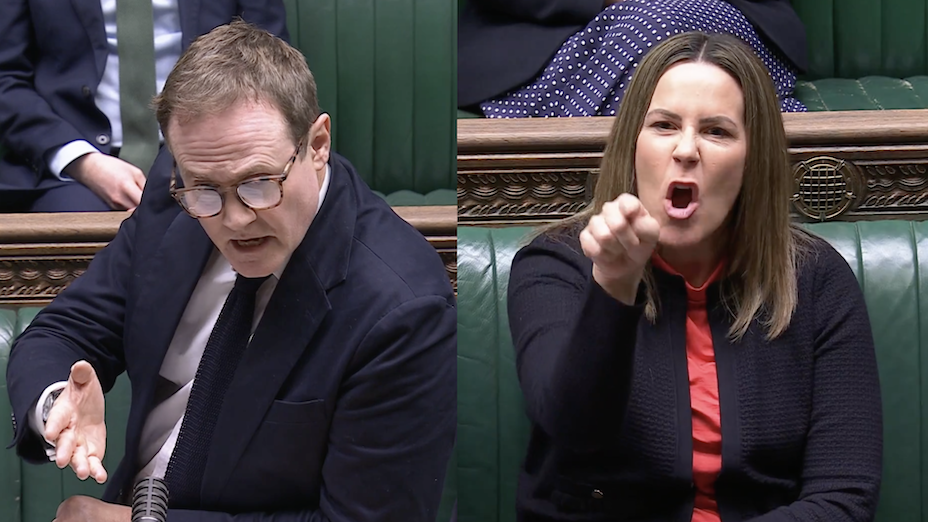
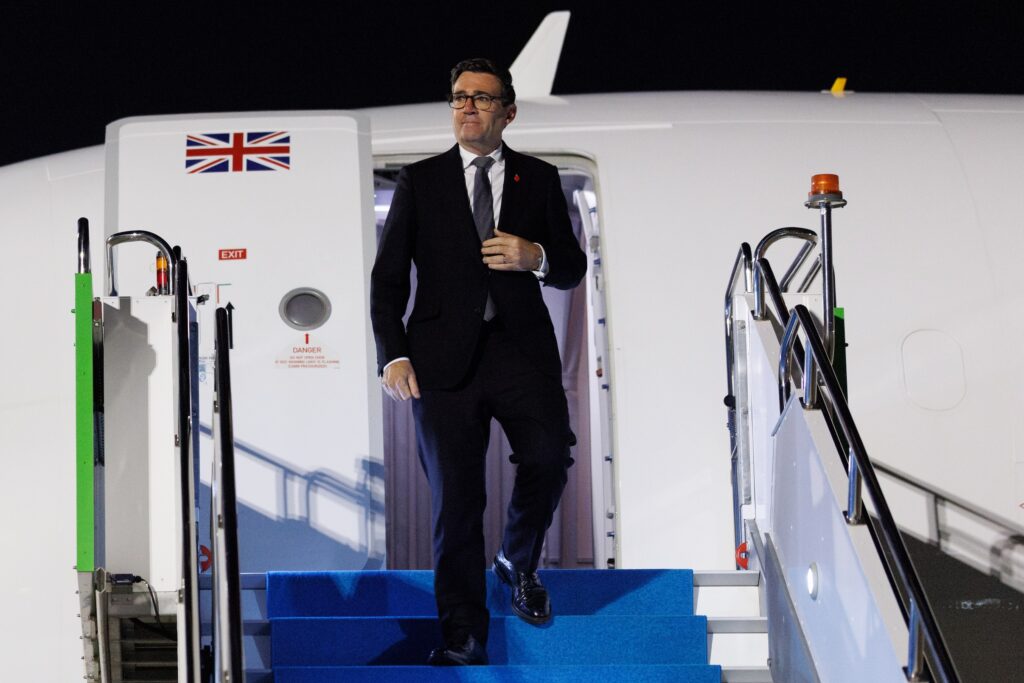
When I raised this at prime minister’s questions last month, Andy Burnham said he would ask the National Cancer Board to look at the proposals in my bill.
Many of the major national cancer charities that signed my letter to the prime minister have already suggested to the National Cancer Board that the bill should be supported.
But the prime minister and the secretary of state for health and social care, Yvette Cooper, are ignoring me and these charities.
Two days after prime minister’s questions, millions watched him on Gogglebox for Stand Up To Cancer, visibly moved by patients’ stories. I do not doubt that he meant it.
But his government has still not said it will support the bill. Having sat down for this cause on Gogglebox, the prime minister now has the chance to stand up for it on Friday.
Almost every family in Britain has been touched by cancer. More than 403,000 people are diagnosed in the UK every year. That is around 1,100 people a day, or one every 80 seconds. Nearly one in two of us will hear those words in our lifetime.
The government’s National Cancer Plan sets ambitious goals on prevention, diagnosis, treatment and survival. I welcome them. But ambition is not delivery. Analysis by Cancer Research UK suggests that, on current trends, the government is at risk of missing its own commitment for 85% of patients to begin treatment within 62 days of an urgent referral by March 2029.
As a cancer survivor myself, I know that plans do not treat patients. Delivery does. Every missed target is a person diagnosed too late or left waiting too long. Without regular reporting, those failures stay hidden until they can no longer be put right.
The bill is simple. It would require the health secretary to report to parliament every year on progress in cancer prevention, diagnosis and treatment, and to publish and maintain a strategy for improving outcomes.
Parliament would get a formal assessment of whether the commitments in the National Cancer Plan are being delivered, whether targets are being met, and what will be done when progress falls behind.
This is not new bureaucracy, and it places no extra burden on the NHS or the government. The government has already committed to tracking delivery of its plan. My bill simply asks it to show its working, in public, so that MPs can scrutinise performance on behalf of patients and their families.
In 2022, the Conservative government consulted on a 10-Year cancer plan. Thousands of patients, clinicians, charities and researchers responded. Then the health secretary changed, and the plan was abandoned.
That was devastating for campaigners. It showed how quickly a promise can vanish when nothing holds a government to it.
If the government is confident in its cancer plan, it has nothing to fear from reporting on it openly each year.
Patients and families are not asking for warm words. They are asking for accountability. Today, the prime minister can give it to them.