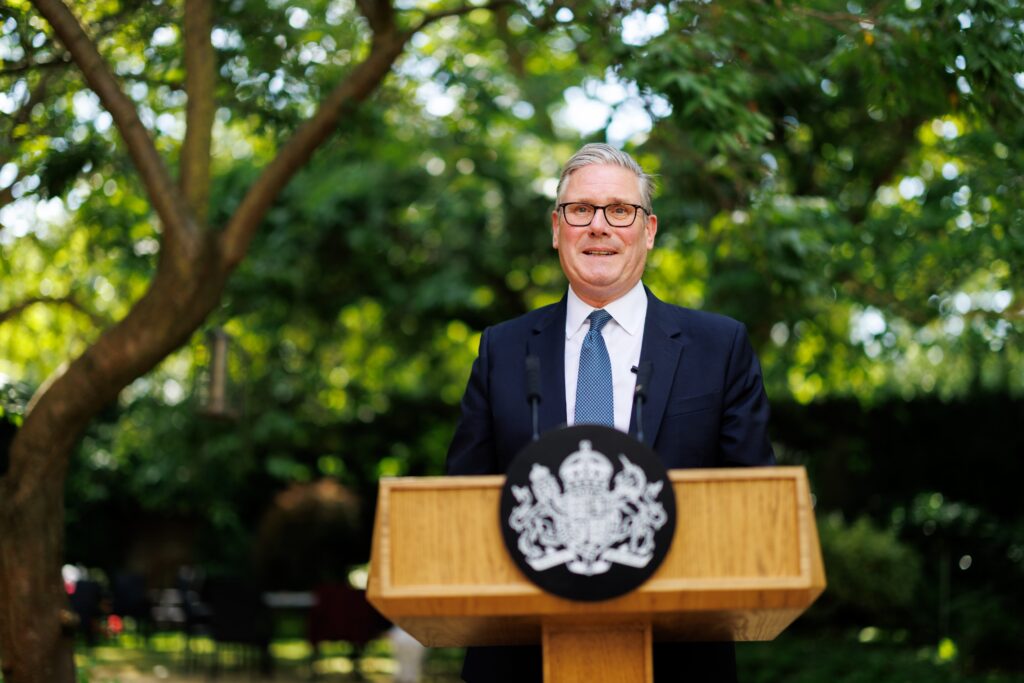
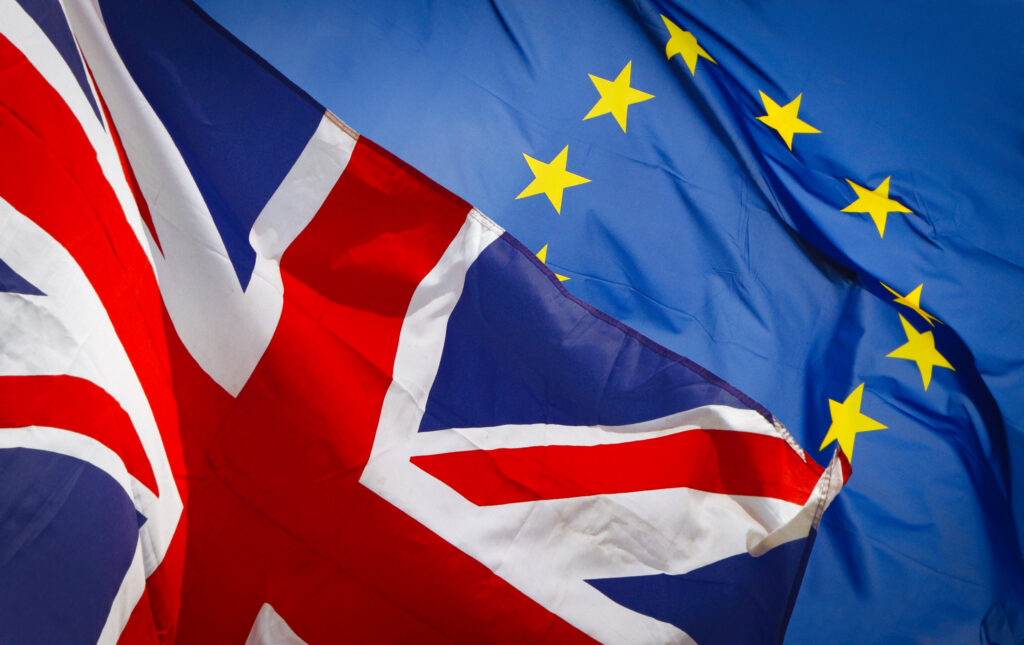
Andy Burnham has said that “sticking with the status quo is not good enough for Britain” as he set out his plans for the forthcoming UK-EU summit.
The prime minister confirmed the summit will take place in Brussels on 20 November, describing it as “an opportunity to make progress on two crucial issues: boosting UK growth and controlling illegal immigration”.
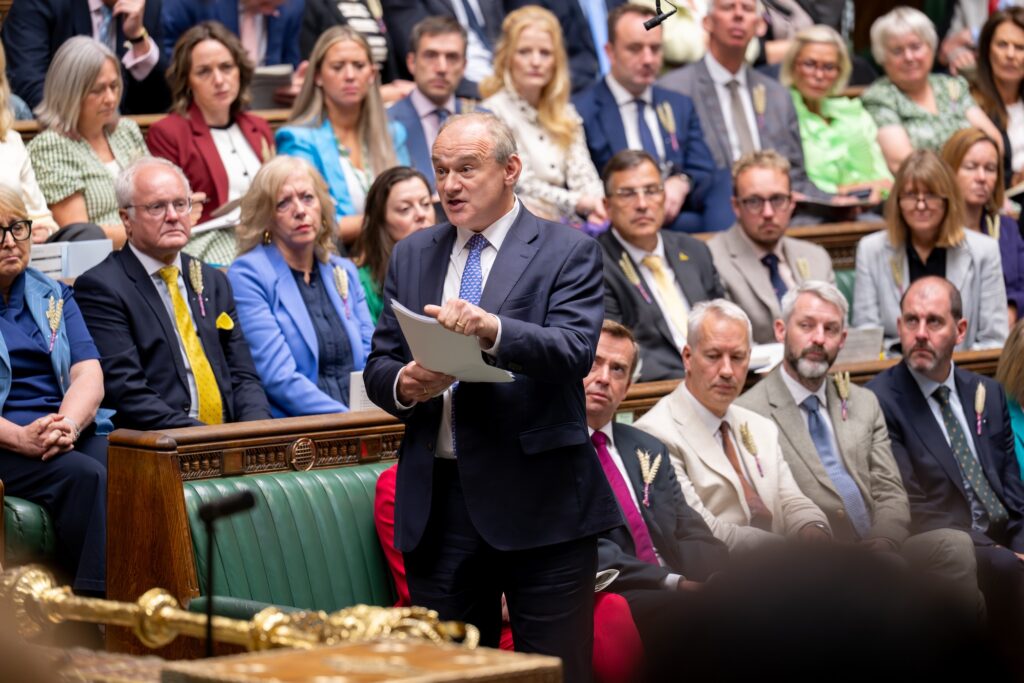
Addressing MPs on Monday for the first time since conference recess, Burnham said the summit would see negotiations over a trade deal on food and drink products, a deal on emissions trading, progress towards linking energy systems, a new youth experience scheme and “deeper cooperation” on immigration.
He said: “It is clear to me it is clear to me that there is an opportunity to make progress in all of these areas.
“Together, these deals will add the equivalent of over £10 billion per year to the UK economy by 2040, with the potential to add significantly more. We should not turn our backs on this opportunity.”
On immigration, he said the UK and EU “could link up our law enforcement efforts once again, sharing more data and criminal records of foreign nationals, as well as faster electronic evidence from the phones of those behind the gangs”.
He said: “It is in Britain’s interest to secure a deal along these lines, and I will work hard over the next five weeks to achieve it.”
The prime minister also said he believed the government’s chances “will be enhanced by being open to a discussion about our relationship with the EU in the longer term”.
He said: “If we are serious about promoting growth, controlling immigration, upholding our values and security, it is a conversation we must have. Sticking with the status quo is not good enough for Britain. Worse, it would be a major dereliction of duty to turn away.”
Burnham said that after the summit he wanted to “set up a serious dialogue about the different options for our relationship in the long term”.
He added: “At every stage, the British public will be the boss.”
Kemi Badenoch, the leader of the Conservative Party, said Burnham had “just blurted out everything he wants” and that “this is not how you conduct negotiations”.
She said: “Just like some people thought all of Britain’s problems would be solved by leaving the EU, some now think all our problems will be solved by rejoining. Neither of these are serious positions. This is lazy thinking from people who don’t have solutions to the real problems we face.”
Burnham hit back, questioning how the Conservatives could justify “turning their back on a deal that is potentially on the table now to add billions to the UK economy”.
The prime minister stated: “I was listening carefully what she said about the European Union, and one could only conclude from what she said about unpicking the deal – the deal that is supposedly so good for Britain – that she will be defending the status quo.”
Burnham also defended his comments regarding Russian interference in the 2016 Brexit referendum, which Badenoch criticised in her contribution. Speaking to The Rest is Politics podcast, the prime minister revealed he had been told there was Russian interference in the vote. He said that, on arriving in Downing Street this summer, he asked whether Russia had interfered in the referendum. “I’ve had the clear answer that yes, there was”, he confirmed.
Speaking in the commons, Burnham appeared to double down on these comments.
He told MPs: “It is a matter of record that Russian actors sought to interfere in the 2019 general election, and we think it is inconceivable that this was the first time.”
Russian attempts to interfere in Brexit vote failed, Foreign Office minister says