
Recent weeks have seen powerful men held to account for their hideous abuse, particularly towards women. They’ve used their power and wealth to attempt to silence victims, including using the law to permanently silence accusers, and I want to pay tribute to the victims who’ve fought to be heard and taken seriously.
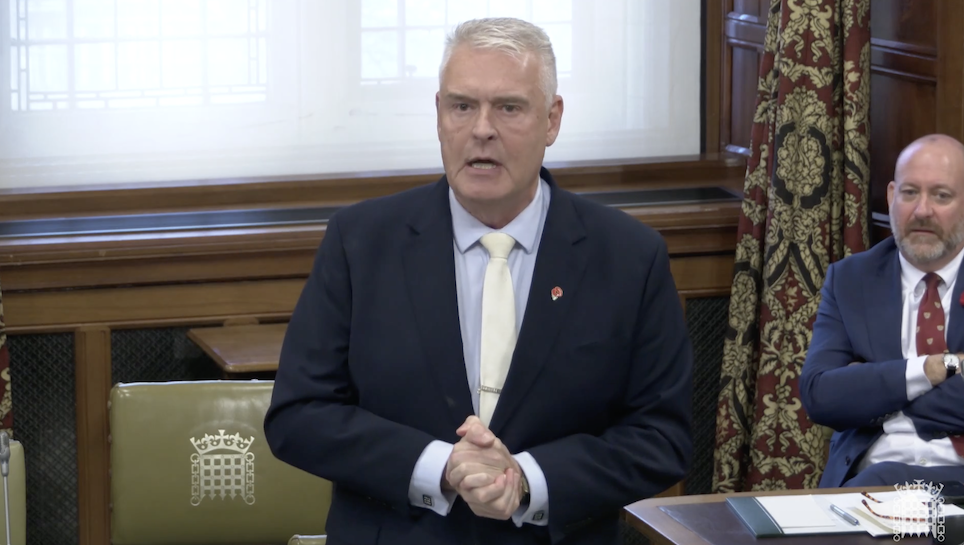
Tonight in parliament, I’m holding a debate to raise awareness of the victims and survivors of cults and high-control religious groups. They are another group of survivors who face significant barriers in being heard and believed, because society struggles to understand what has happened to them.
The organisations they have been part of take over people’s lives – using fear, shame, isolation and authoritarian power to control and coerce their members. Most people aren’t aware of the extent to which these groups operate in the UK – they often seem benign to the outside world and operate primarily behind closed doors. We struggle to believe that this sort of abuse could happen in our modern society. But it does.
I’ve spoken before about my experiences being raised as a Jehovah’s Witness, a religious group that encourages followers to be “no part of the world”, isolated from much of secular life. In those conditions, abusers can thrive, and victims can lose everything when they speak out.
As an MP, I regularly get emails from survivors of cults and high-control religious groups across the UK. The harrowing stories that survivors have shared with me show that the law doesn’t do enough to protect people from abuse.
Survivors of the Universal Church of the Kingdom of God, for example, have bravely shared stories of financial abuse, with one ex-member handing over £15,000 while experiencing mental health issues, with the hope of attracting divine favour. The Fundraising Regulator found that the UCKG had breached the fundraising code but has no powers to sanction the organisation or force it to return any money.
It is registered as a charity, despite a BBC investigation showing coercive “strong prayers” being performed on minors and allegations of carrying out conversion practices on a 13-year-old boy. Its charity status means this abuse could have been funded by the taxpayer, with up to £2.5 million of its £13 million donation income in 2025 potentially from Gift Aid.
Meanwhile in another group, Scientologists are required to adhere to internal ethics, and reporting another Scientologist to secular authorities is considered a “crime” resulting in expulsion, potentially losing everybody and everything you’ve ever known, even if you’re a child. A recent Times investigation alleges that children as young as 13 are working for the church, signing “staff contracts” and receiving paltry compensation – although Scientology insists they are volunteers. One 15-year-old girl administers massages to adult male staff. They are “home schooled” as far as the law is concerned, but in reality will receive no secular education, trapping them in the organisation with no qualifications or knowledge of the world outside of Scientology. Survivors have reported abuse, modern slavery, human trafficking, and harassment to the police. But to the best of my knowledge, no action has been taken.
Thought control, financial exploitation, isolation from family and friends, threats against leaving. These themes should sound familiar, because they feature in domestic abuse and coercive relationships. The way the government defines coercive control includes all of this, but only within the context of a close family or romantic relationship. When a religious leader or cultic group does exactly the same thing, it isn’t covered.
That’s why I am calling on the government to change the law, extending the definition of coercive control – or introducing analogous new offences – to ensure people are protected from the psychological subjugation performed by these groups.
This isn’t a new suggestion. The Family Survival Trust has been recommending these changes since a July 2022 report on coercive control in religious groups. And the Bloom Review, commissioned by the last Conservative government (which sat on its hands instead of implementing the recommendations), calls on the government to do more to support people leaving high-control religious groups and ensure they don’t end up homeless and alone.
Other countries have already legislated to protect people from this abuse. France has had legislation in place since 2001, strengthened in 2024. Belgium introduced an offence against “abuse of weakness” in 2011, followed by Luxembourg in 2013. Italy and the Netherlands are considering similar legislation, and in Australia, a parliamentary report from the state of Victoria concluded there was “a clear case for legislative reform”.
We cannot continue to allow people to suffer, and I will continue to speak up for survivors to ensure government and parliament take this issue seriously.