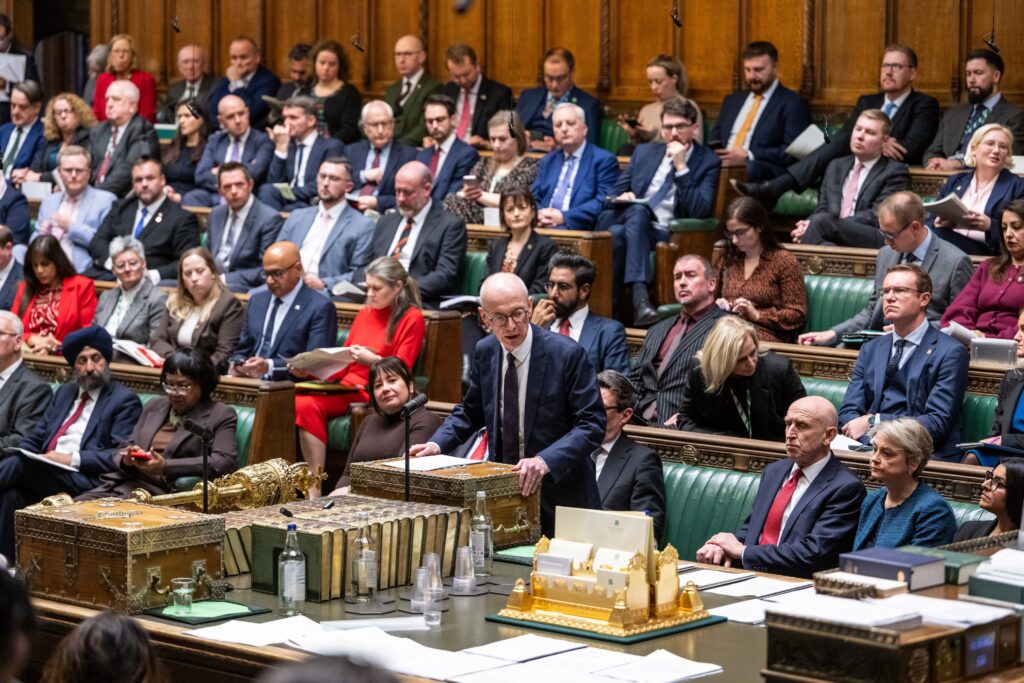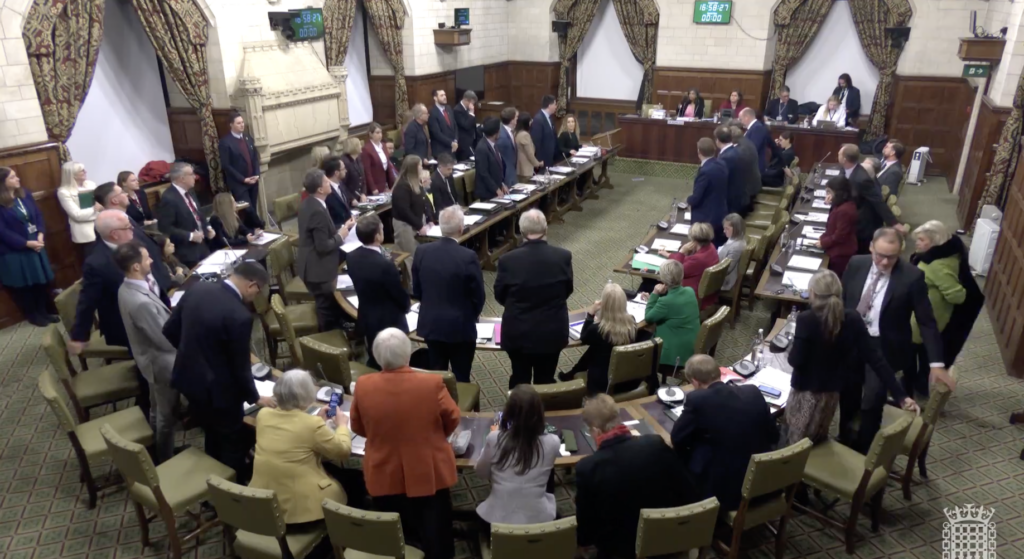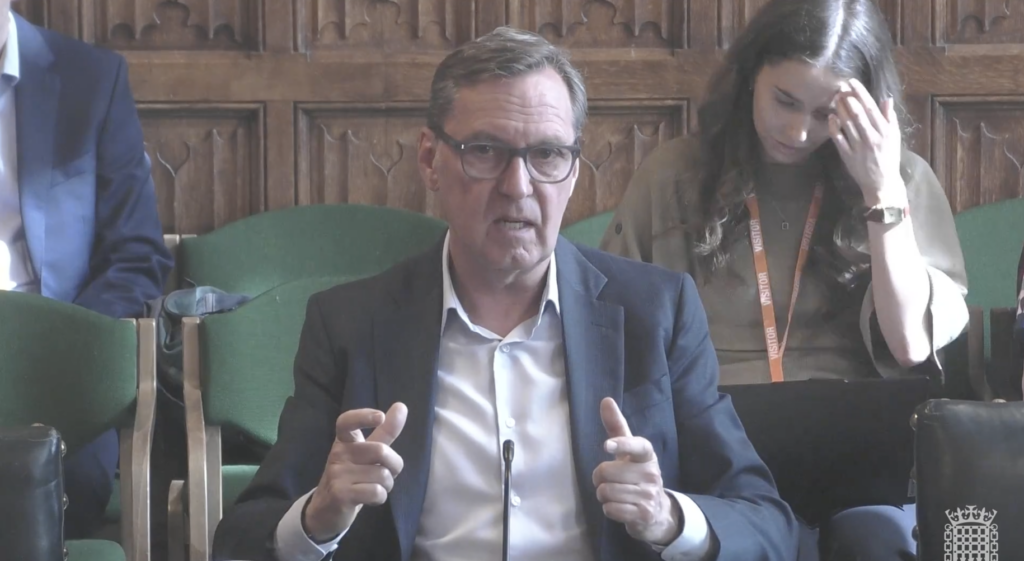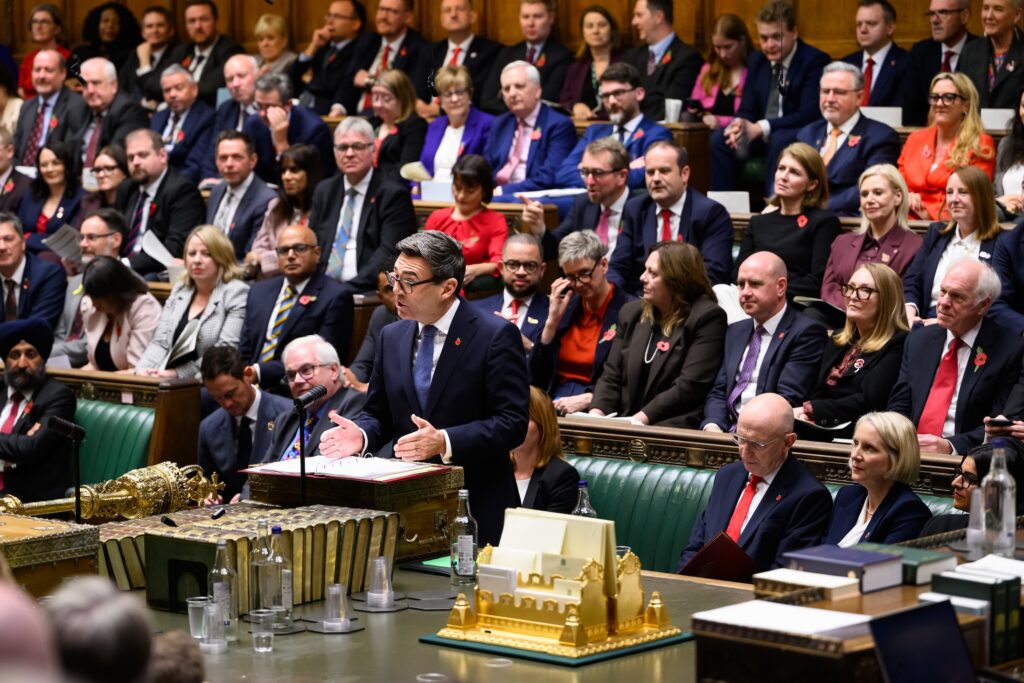
Last week, I led a Westminster Hall debate to draw attention to the vital contribution of fathers and positive male role models to families and society and how better policy can support them in this role.
Our national conversation is dominated by talk of a “NEET Crisis”, a “youth mental health crisis”, and so-called “toxic masculinity” – challenges which, it is no exaggeration to say, threaten the future prosperity and security of our nation.
But the prescriptions offered by our contemporary political debate are often small, located in spaces the state believes it can and should control, and tied up in fleeting political debates of the moment. To listen to the Conservatives recently, you would think the rise and rise of young people not in education, employment, or training could all be reversed with tweaks to national insurance or cuts to social security. But it is teachers who bear the brunt of this tendency, with new guidelines to comply with, new outcomes to measure, or new additions to the national curriculum a favourite policy lever for many.
I am as guilty as anybody, campaigning, as I do, for a more intentional approach to developing children’s social and emotional skills from early years through secondary school; advocating for meaningful technical and vocational pathways from a younger age; and calling for more spending on youth workers, sports and the arts. All the above matters – of course it does – but what is the foundational anchor for a young person’s core values, long-term beliefs, and sense of emotional security? Surely it is their parents or primary caregivers, and beyond that, other adult role models and perhaps their peer group.
Today’s children are growing up through the change of an era. As I told parliament: “We face a new cold war with Russia, economic uncertainty, extreme weather, and AI accelerating at such a pace we do not know what the world will look like five years from now.
“Our rising generation – the first to grow up in the era of social media – are experiencing a mental health crisis, a youth unemployment crisis and even an identity crisis. What is consistent in this world of uncertainty?
“It is the love and security offered by familial bonds – the unique, deep connections of love, trust and mutual support that tie family members together – and the role of fathers is important in that.”
We know all this, but in policy terms do little about it. It is as though we expect the state to fix childhood and adolescence through the classroom, social media regulation, or the labour market, but have nothing to say about supporting Dads.
This debate was an opportunity to change that.
MPs from across the House called for meaningful policy changes that promote active fatherhood and positive male role-models. Several called for more family-friendly working practices and better paternity leave, highlighting the barriers that prevent fathers, particularly working-class and self-employed fathers, from taking time off to bond with their newborns and support mothers recovering from childbirth during those precious early weeks.
I also called for more resources and support to help new fathers understand child development and the positive roles they can play, because, speaking from experience, children do not come with an instruction manual and there are so many things I know now that I wish I knew when mine were younger.
Several also highlighted the positive role of men in places like youth clubs, boxing gyms, or scouts and cadet groups, who become positive role models, and the need to invest in these spaces; as well as the importance of increasing the number of male teachers and caregivers.
These calls are supported by multiple academic studies showing that having an active father or positive male role model is strongly associated with positive outcomes in young people, including prosocial behaviour; emotional stability, self-esteem and happiness; better educational development; and a more equal division of housework; while the absence of positive father-figures is linked to bad outcomes and distress.
One does not need a PhD to know this. I spoke from personal experience: how despite being relatively poor, I feel immensely privileged to have grown up with a mum and dad who made raising their children their world. My dad took me hiking, encouraged me to appreciate history and culture, taught me about kindness and integrity, and showed me through his actions what it means to think about other people. He also taught me that one of the kindest things a father can do for his children is to love and respect their mother.
Those experiences have shaped the father I try to be to my own children. Fatherhood has also given me enormous strength. During periods of stress, disappointment or uncertainty, I have always been able to come home to my biggest fan club. My family puts everything else into perspective.
I can think of little more important than helping to ensure every child has active fathers or male role models.