Rachel Reeves unveils biggest tax-raising budget since 1993
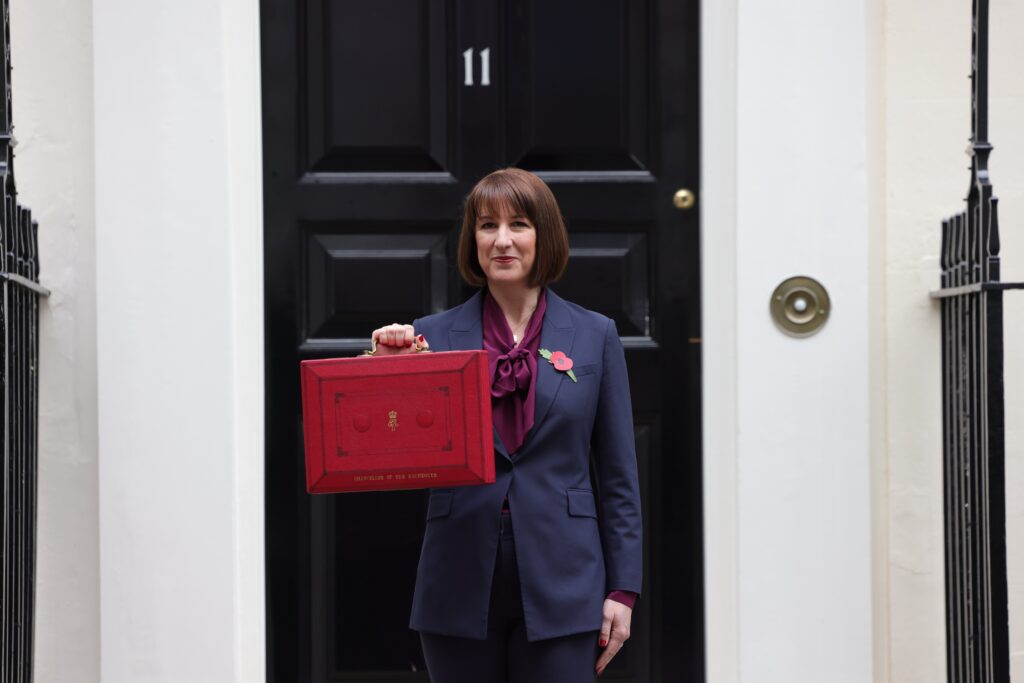
On 30 October 2024, Rachel Reeves, the chancellor of the exchequer, delivered the first budget of the new Labour government. The fiscal event, presented just four months after the party’s landslide victory in the 2024 general election, was the first Labour budget since 2010 and the first in history to be delivered by a woman.
Reeves outlined a series of tax increases and spending commitments aimed at “restoring economic stability” and “rebuilding Britain.”
In late July 2024, Reeves accused the previous Conservative government of leaving a £22 billion fiscal “black hole” in the country’s finances. She said compensation payments for victims of the Post Office Horizon IT and infected blood scandals, as well as a series of other projects, had not been fully accounted for.
The chancellor responded with urgent spending cuts, controversially limiting the winter fuel payment. In her budget statement, Reeves accused the Conservatives of having “hid the reality of their public spending plans”.
Reeves also amended the government’s fiscal rules to distinguish between borrowing for investment and borrowing for day-to-day spending. The chancellor argued that this approach meant “we count the benefits of that investment, not just the costs, and we free up our institutions to invest, just as they do in Germany, France and Japan.”
***
The central feature of the budget was its package of tax increases, amounting to £40 billion. This figure made the 2024 autumn budget the largest tax-raising budget since 1993.
The rises created room for increased spending on public services and investment. Reeves announced the health budget would receive a £22.6 billion increase in day-to-day spending and a £3.1 billion increase in capital investment over the next two years. The core schools budget was increased by £2.3 billion.
Reeves told the House: “The only way to improve living standards, and the only way to drive economic growth is to invest, invest, invest. There are no shortcuts, and, to deliver that investment, we must restore economic stability and turn the page on the last 14 years.”
The measures were also framed as a repudiation of previous austerity budgets. “I said there would be no return to austerity; that is the choice I have made today”, Reeves told MPs.
Several measures were drip-fed out in the days and weeks leading up to the budget, including the proposal to increase the minimum wage by 6.7% to £12.21 an hour. This approach was severely criticised by the commons speaker, Lindsay Hoyle, who argued that MPs had a right to hear measures in the chamber first – where they could be subjected to scrutiny. The speaker described the government’s approach as a “supreme discourtesy to the House”.
The ministerial code expects major government announcements to be made in the commons before the news media. Hoyle suggested that Reeves was in contravention of the code.
Nusrat Ghani, who presided over the budget statement as chairman of ways and means, told MPs: “Over the past few days, ministers have made a series of new policy announcements with significant and wide-ranging implications for the government’s fiscal policy and for the public finances.
“It is evident to me that they should have been made in this House in the first instance.”
The budget’s primary revenue-raising measure was a significant increase in business taxation, raising employers’ national insurance contributions by 1.2 points to 15% from April 2025 and lowering the threshold at which employers begin paying these contributions (on salaries above £9,100 to £5,000).
Other measures included increasing the lower rate of capital gains tax (CGT) from 10% to 18%, and the higher rate from 20% to 24%; new inheritance tax rules for agricultural and business property above £1 million (referred to by critics as the “family farms tax”), a rise in the stamp duty surcharge for second homes by 2 points to 5%, and the confirmation of applying VAT to private school fees from January 2025, forecast to raise over £9 billion.
The chancellor confirmed the abolition of the non-dom tax regime from April 2025, a move forecast to raise £12.7 billion over five years.
Reeves defended these measures, and national insurance hike in particular, in stark political terms.
She told MPs: “In the circumstances I have inherited, it is the right choice to make. Successful businesses depend on successful schools, healthy businesses depend on a healthy NHS, and a strong economy depends on strong public finances.
“If the Conservative Party chooses to oppose this choice, it is choosing more austerity, more chaos and more instability. That is the choice our country faces, too.”
***
These tax-raising measures sparked a fraught political debate over whether Labour had broken pledges set out in its manifesto.
Reeves said the budget was a fulfilment of a promise to shield working people from tax rises, arguing that they would “not see higher taxes in their payslips as a result of the choices that I am making today”.
In full, the Labour manifesto read: “Labour will not increase taxes on working people, which is why we will not increase national insurance, the basic, higher, or additional rates of Income Tax, or VAT.”
Paul Johnson, the chair of the Institute for Fiscal Studies (IFS), said Reeves risked “further undermining trust” in politicians and public life with her tax measures.
Johnson said: “The continued pretence that these changes will not affect working people risks further undermining trust.”
Former prime minister Rishi Sunak responded to the budget in his last official act as leader of the opposition. He accused the government of breaking its pledges and of outright deceit.
Sunak said the budget was characterised by “broken promise after broken promise” and claimed that the government’s rhetoric about inheriting a crisis was nothing but a “cynical political device”. He accused Reeves of having “fiddled the fiscal rules” by redefining borrowing to allow for a spending “splurge.”
Sunak declared: “Today, the truth has come out – proof that Labour planned to do this all along. Today’s budget sees the fiscal rules fiddled, borrowing increased by billions of pounds, inflation-busting handouts for the trade unions… Britain’s poorest pensioners squeezed, welfare spending out of control and a spree of tax rises that the government promised the working people of this country they would not do.
“National insurance – up. Capital gains tax – up. Inheritance tax – up. Energy taxes – up. Business rates – up. First time buyer’s stamp duty – up. Pensions tax – up.”
Overall, the budget left £9.9 billion worth of fiscal headroom – the buffer between the government’s fiscal rules and spending/tax plans, or money available for additional spending.
The narrow headroom established in the autumn was swiftly eliminated due to a worsening economic outlook.
At the spring statement in March 2025, the Office for Budget Responsibility (OBR) revised the UK’s 2025 growth forecast down from 2% to 1%. This reversal of fortunes left the chancellor with a £4.1 billion fiscal gap and forced her to announce £14 billion worth of spending cuts – predominantly targeting the welfare and foreign aid budgets – to adhere to her own rules.
The plan to cut the welfare and disability benefits bill by nearly £5 billion, including a crackdown on eligibility for personal independence payment (PIP), triggered a significant backlash among Labour MPs.
The welfare debacle amounted to a major political crisis for the Labour government.
Politics.co.uk Newsletters
DAILY
Politics@Lunch
WEEKLY
Week in Review