Johnson survives ‘no-confidence’ vote despite significant Tory rebellion
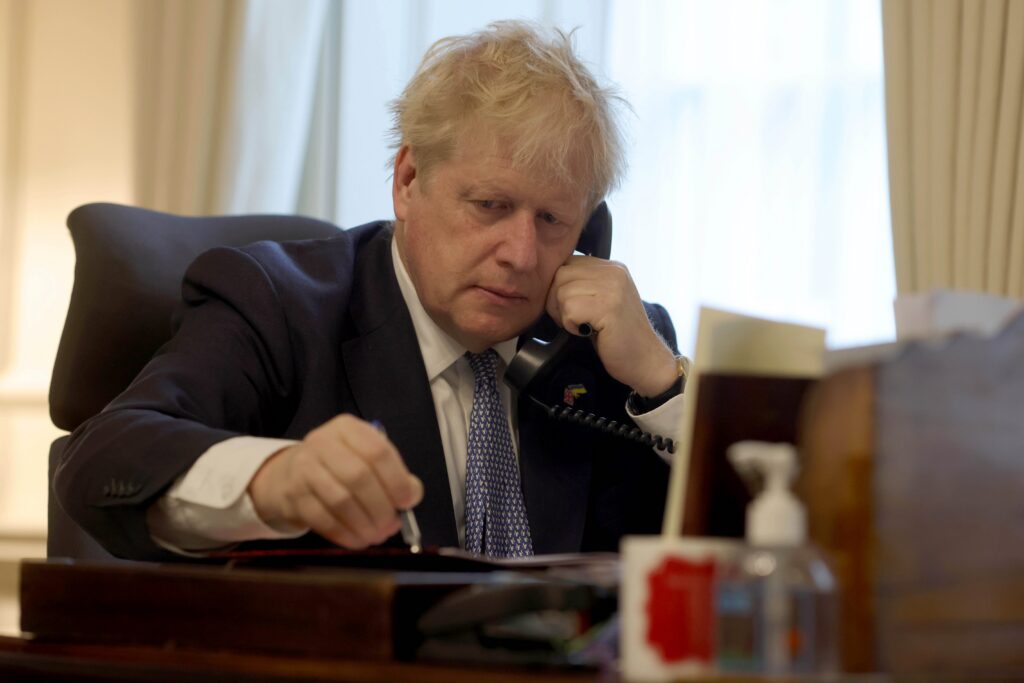
On 6 June 2022, the prime minister, Boris Johnson, survived a vote of no confidence in his leadership.
The vote was triggered after Sir Graham Brady, the chairman of the backbench 1922 committee, confirmed he had received more than 54 letters from Conservative MPs calling for a contest, surpassing the 15% threshold required. A successful “no-confidence” vote would have created a Conservative leadership vacancy, triggering a contest to succeed Johnson.
In a statement, delivered on the morning of 6 June, Brady said: “In accordance with the rules, a ballot will be held between 1800 and 2000 today, Monday 6 June.
“The votes will be counted immediately afterwards. An announcement will be made at a time to be advised. Arrangements for the announcement will be released later today.”
A Downing Street spokesperson welcomed the result as a “chance to end months of speculation and allow the government to draw a line and move on, delivering on the people’s priorities.”
The challenge followed months of damaging revelations about parties held in Downing Street and Whitehall during Covid-19 lockdowns. The publication of Sue Gray’s critical report in May into “Partygate” galvanised discontented MPs to act.
In her report, Gray pointed to “failures of leadership and judgment in No 10 and the Cabinet Office”.
She added: “The events that I investigated were attended by leaders in government. Many of these events should not have been allowed to happen.”
The vote also came after Johnson and his chancellor, Rishi Sunak, were issued with fixed penalty notices by the Metropolitan Police for breaching Covid-19 lockdown regulations. This development precipitated a motion referring the prime minister to the House of Commons privileges committee.
***
Johnson won the secret ballot of Conservative MPs by 211 votes to 148 – a victory that technically secured his position under party rules for another year.
However, the scale of the revolt was far larger than had been anticipated. A total of 41% of Johnson’s own MPs had voted to remove him. At the time, the ‘payroll vote’ – those MPs who occupy government posts and are therefore vested in its preservation – numbered between 160-170.
Cabinet ministers – including possible successors, Liz Truss (the foreign secretary), Sajid Javid (health secretary) and Sunak (chancellor) – lined up to support Johnson.
Under the rules of the Conservative party, the result technically meant that Johnson would be safe from another challenge for a year.
In the hours after the result, Johnson insisted it was an “extremely good, positive, conclusive, decisive result” that would allow him to “move on to unite and focus on delivery”.
The prime minister stated: “I think this is a very good result for politics and for the country… I think it’s a convincing result, a decisive result and what it means is that as a government we can move on and focus on the stuff that I think really matters to people.
“I’ve got a far bigger mandate from my own parliamentary colleagues for instance than I had in [the 2019 Tory leadership election].
“And I’m grateful to colleagues for the support that they’ve given me and of course I understand that what we need to do now is come together as a government, as a party, and that is exactly what we can now do.
“And what this gives us is the opportunity to put behind us that all the stuff I know the media have quite properly wanted to focus on for a very long time and to do our job which is to focus on the stuff that I think the public actually want us to be talking about which is what we are doing to help the people of this country.
“So what this means tonight is we can focus on exactly that.”
Sunak responded: “The PM has won the confidence vote and now it’s time to move forward. Tomorrow we get back to work growing the economy and delivering better public services.”
But the result underlined the fragility of Johnson’s position. The number of rebels was higher than the 133 MPs who voted against Theresa May in a 2018 confidence vote – a challenge which ultimately led to her resignation months later. May won the 2018 vote by 62% to 38%; Johnson had survived by 59% to 41%.
William Hague, leader of the Conservative Party from 1997 to 2001, said Johnson should “turn his mind to getting out” to provide a fresh start for the party.
He commented: “Words have been said that cannot be retracted, reports published that cannot be erased, and votes have been cast that show a greater level of rejection than any Tory leader has ever endured and survived.
“Deep inside, he should recognise that, and turn his mind to getting out in a way that spares party and country such agonies and uncertainties.”
Keir Starmer, the Labour leader of the opposition, described the vote as the “beginning of the end” for Johnson’s premiership.
***
Starmer was right.
Mere weeks later on 30 June, Chris Pincher resigned as deputy chief whip following allegations that he had drunkenly groped two men at the Carlton Club in London. Initially, Downing Street insisted that the prime minister considered the matter closed and that Pincher would remain a Conservative MP, having lost only his government job.
This position quickly became untenable as a storm of new allegations about Pincher’s past behaviour emerged over the following days. The critical political question became what Boris Johnson knew about these previous allegations when he appointed Pincher to the whips’ office in February 2022.
As Downing Street’s initial position unravelled, Javid and Sunak resigned as health secretary and chancellor respectively.
The wave of resignations that followed forced Johnson to announce his own departure, against his obstinate wish to remain in office, on 7 July.
It was reported that Conservative MPs were planning to change the 1922 committee’s rules in order to compel a further vote of confidence in his leadership.

Politics.co.uk Newsletters
DAILY
Politics@Lunch
WEEKLY
Week in Review
