Foreign secretary Lord Castlereagh dies by suicide
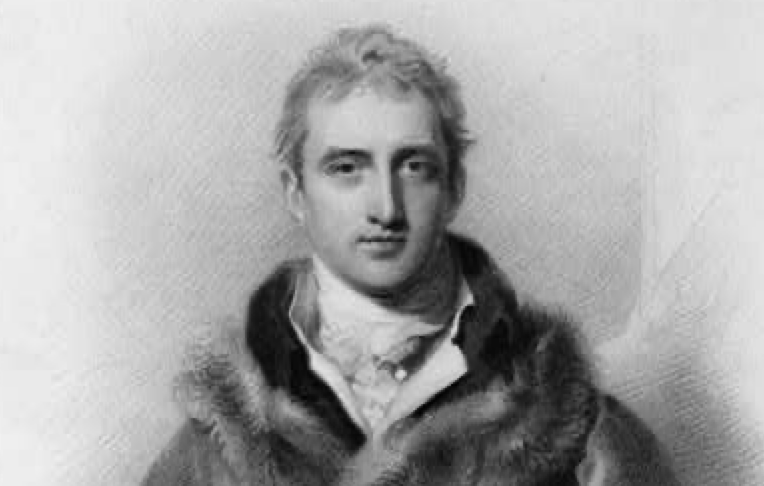
On 12 August 1822, Robert Stewart, Viscount Castlereagh, one of the most powerful and controversial figures in British politics, died by suicide at his country home, aged 53. Serving as both foreign secretary and commons leader in Lord Liverpool’s Tory government, his death sent shockwaves through the political establishment in Britain and across Europe.
***
Castlereagh was a dominant force in government for over two decades.
As chief secretary for Ireland, he played a critical role in suppressing the 1798 United Irishmen rebellion and steering the Act of Union through the Irish parliament in 1800 – actions that earned him lasting enmity in Ireland. However, alongside the prime minister, William Pitt the Younger, he resigned his post when the prospect of Catholic emancipation was thwarted by King George III.
In 1809, Castlereagh was obliged to resign as secretary of state for war after he fought a duel with the foreign secretary, George Canning. Canning missed; Castlereagh wounded his cabinet colleague in the thigh.
As foreign secretary from 1812, he was an architect of the coalition that finally defeated Napoleon and a leading figure at the Congress of Vienna (1814-15), which shaped the post-war European settlement through the Concert of Europe system.
Castlereagh’s international influence contrasted with his immense domestic ignominy.
As leader of the commons, he had helped steer the government’s repressive measures through parliament in the post-war years. This included the “Six Acts”, passed in the wake of the 1819 Peterloo Massacre.
This infamous episode, when a large and peaceful demonstration demanding parliamentary reform was brutally dispersed by sabre-wielding yeomanry, represented a defining moment of popular resistance and violent state repression in 19th century Britain. The chaos resulted in the deaths of an estimated 18 people and injuries to hundreds more.
Castlereagh rejected calls for an inquiry as a “barefaced trap” set by radical agitators. He blamed “a set of itinerant orators” for having poisoned “the minds of the lower orders in this country by artful tales about sinecures and pensions”.
On 3 December, Castlereagh introduced a bill to outlaw radical meetings. He told the commons: “I feel no wrath against the people. I am only doing my duty.”
Percy Bysshe Shelley penned The Masque of Anarchy (1819) following the Peterloo Massacre. It featured the following stanza:
I met Murder on the way –
He had a mask like Castlereagh –
Very smooth he looked, yet grim;
Seven bloodhounds followed him:
Castlereagh came to power in an era of radicalism and repression.
His career was an expression of the profound elite anxiety that pervaded public life during this period. In fact, despite his standing in the country, Castlereagh had been considered as a likely future prime minister.
In the months leading up to his death, Castlereagh, who inherited his father’s marquessate in 1821, showed clear signs of severe mental strain.
Overworked and reviled, his distress was evident even to King George IV, whom he met just days before his death. Castlereagh came across as disheveled and incoherent in his 9 August meeting with the sovereign, raving that he was the victim of a malicious plot to have him arrested for committing homosexual acts.
The king advised Castlereagh to “consult a physician” and informed Liverpool of his foreign secretary’s distress.
***
On the morning of 12 August, Castlereagh went to his dressing room.
Using a small penknife, he cut his carotid artery. He died almost instantly in the arms of his physician, Dr Bankhead, reportedly saying: “Let me fall on your arm, Bankhead. It’s all over!”
An inquest swiftly returned a verdict of “suicide whilst insane”. This allowed for a Church of England burial rather than the ignominious rites usually reserved for suicides.
Castlereagh was buried with honours in Westminster Abbey near William Pitt the Younger.
Hecklers jeered his funeral procession.
In a cruel irony, Castlereagh’s replacement at the Foreign Office was his old foe, George Canning.
Lord Byron’s quatrain, penned in the aftermath of Castlereagh’s death, reflects his highly controversial legacy:
Posterity will ne’er survey
A nobler grave than this:
Here lie the bones of Castlereagh:
Stop, traveller, and p***.

Politics.co.uk Newsletters
DAILY
Politics@Lunch
WEEKLY
Week in Review