Trade Union Act grants legal status
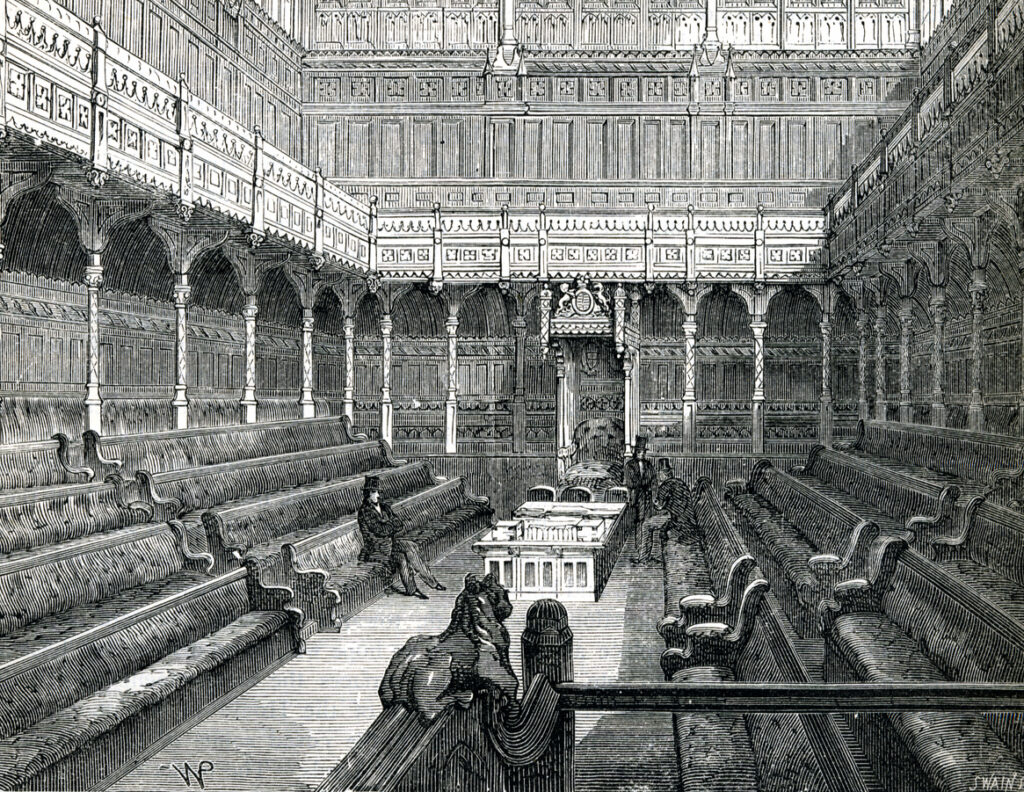
On 29 June 1871, the Trade Union Act received royal assent, a landmark piece of legislation from William Gladstone’s Liberal government that granted trade unions legal status and protection for the first time.
The act was a direct response to years of lobbying from a growing labour movement which had seen its legal standing thrown into jeopardy.
For decades, unions had operated in legal limbo – then the 1867 court case of Hornby v Close brought the situation to a crisis point. The ruling established that trade unions were unlawful associations where they became engaged in activities that were seen as “restraint of trade”, a common law doctrine.
***
The Hornby v Close case galvanised the campaign for legal reform, led by the recently formed Trades Union Congress (TUC). It precipitated the establishment of a royal commission on trade unions by the Conservative prime minister, the Earl of Derby.
The majority report of the commission was hostile to the legalisation of trade unions.
But the TUC set about campaigning for the minority report, which dissented from the majority finding of the commission.
The 1871 act, passed during Gladstone’s first term as prime minister, was based largely on the minority report. It established that trade unions would no longer be considered unlawful simply because they were “in restraint of trade”.
Section 2 of the act stated: “The purposes of any trade union shall not, by reason merely that they are in restraint of trade, be deemed to be unlawful so as to render any member of such trade union liable to criminal prosecution for conspiracy or otherwise.”
Section 6 provided for a system of voluntary registration.
It read: “Any seven or more members of a trade union may by subscribing their names to the rules of the union, and otherwise complying with the provisions of this Act with respect to registry, register such trade union under this Act, provided that if any one of the purposes of such trade union be unlawful such registration shall be void.”
Alongside the Trade Union Act, a second piece of legislation, the Criminal Law Amendment Act, was passed on the same day.
This separate act made all forms of picketing a criminal offence, outlawing the key methods used by workers to make a strike effective. While unions were now legally recognised entities, therefore, their primary weapon in industrial disputes was severely curtailed.
In 1872, workers taking part in the London gas stokers’ strike were imprisoned for breach of contract.
***
After the 1874 general election, Benjamin Disraeli’s new Conservative government passed the Employers and Workmen Act and the Conspiracy, and Protection of Property Act, which fully decriminalised the work of trade unions.

Politics.co.uk Newsletters
DAILY
Politics@Lunch
WEEKLY
Week in Review
