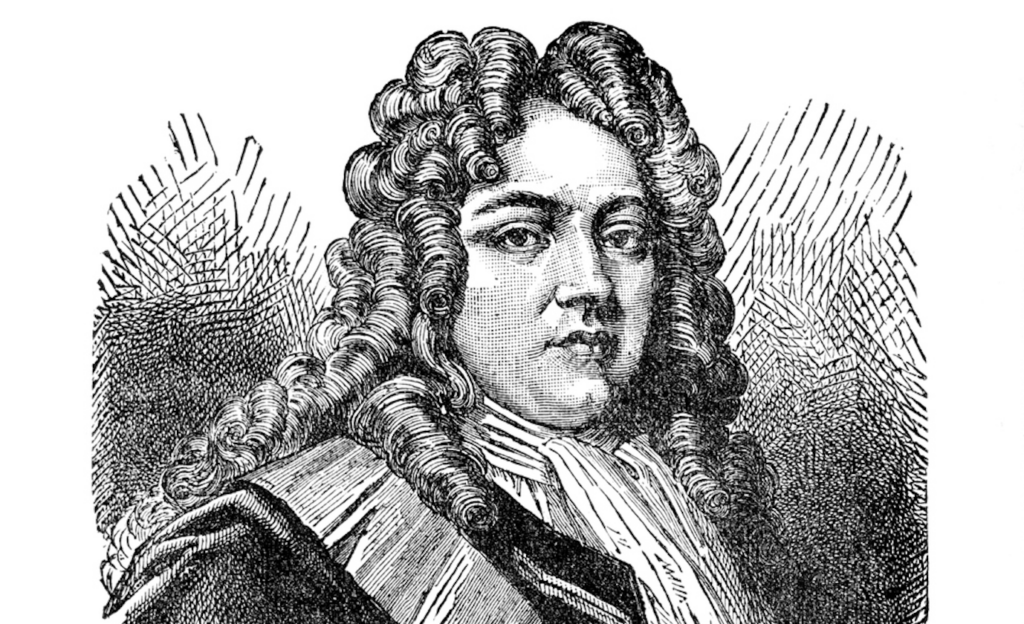

On 22 September 1735, Sir Robert Walpole, widely regarded as Britain’s first prime minister, moved into the house on Downing Street that would become the permanent London residence of the first lord of the Treasury. Walpole’s relocation eventually established 10 Downing Street as the seat of British political power, a status it has retained for nearly 300 years.
***
The house was originally part of a terrace built in the 1680s by Sir George Downing. King George II offered it to Walpole in 1732 as a personal gift, in recognition of his service and role in securing the Hanoverian Succession. Walpole, the first lord of the Treasury, had effectively functioned as the head of the government since 1721.
But Walpole refused to accept the property as a personal gift. He requested that the king make the house available as an official residence for the office of the first lord of the Treasury, rather than to him personally.
Before moving in, Walpole set about enlarging the property. He persuaded the tenant of a cottage next door, a Mr Chicken, about whom little is known, to move down the road. This residence was then incorporated into No 10 alongside the larger, more elegant mansion facing Horse Guards, known as the “house at the back”. The architect William Kent oversaw this conversion.
This rebuilding took three years and created the vast, somewhat awkward structure that prime ministers reside in today. Walpole finally took up residence on 22 September 1735.
At the time, the house was numbered 5 Downing Street. It was renumbered in 1779.
***
10 Downing Street was not immediately or universally adopted by Walpole’s successors. Many 18th and 19th century prime ministers preferred their own, more lavish London townhouses.
Between 1735 and 1902, only 16 out of 31 prime ministers actually lived in the building, which was often considered too small or modest. When Walpole left Downing Street in 1742, it would be over 20 years before another first lord of the Treasury, George Grenville, moved in.
It was only from the early 20th century that 10 Downing Street became the undisputed residence of the chief of the British government.
Today, the Prime Minister’s Office, based at 10 Downing Street, is staffed by a mix of civil servants and politically appointed special advisers who provide policy advice, manage communications and help direct the government’s strategic goals.
DAILY
Politics@Lunch
WEEKLY
Week in Review