Salisbury convention
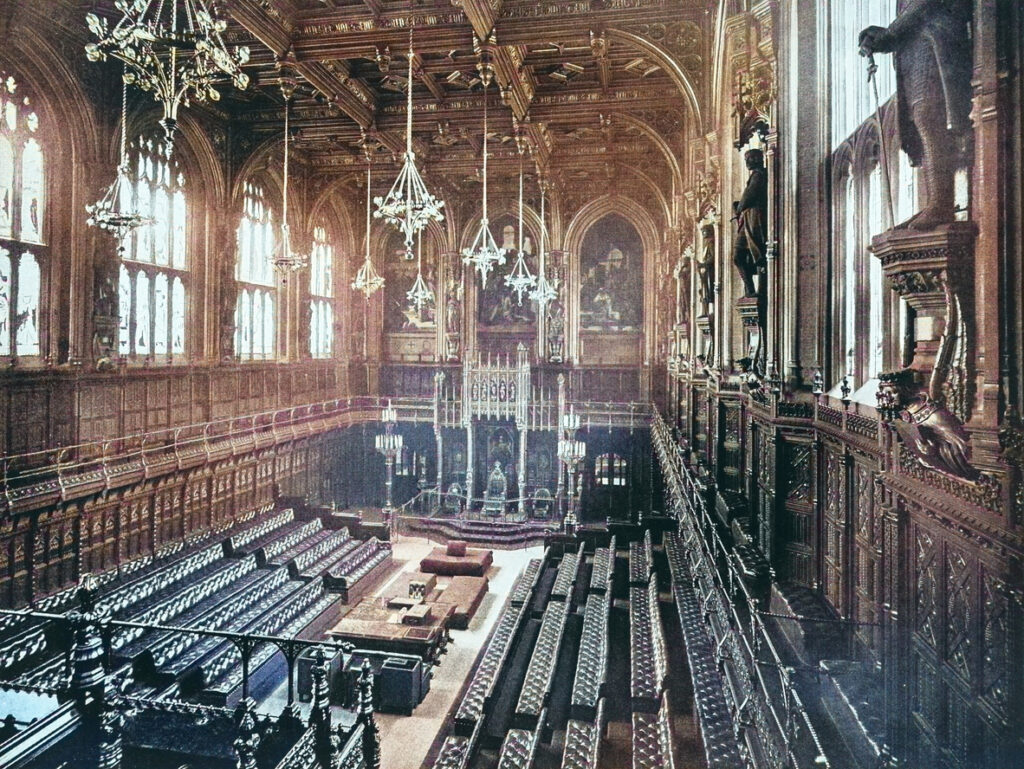
The Salisbury convention (or Salisbury doctrine) is a key constitutional convention that governs the relationship between the House of Commons and the House of Lords. Its core principle is that the House of Lords will not vote against a government bill if the bill seeks to implement a commitment that was included in the governing […]
Parliament Acts 1911 and 1949
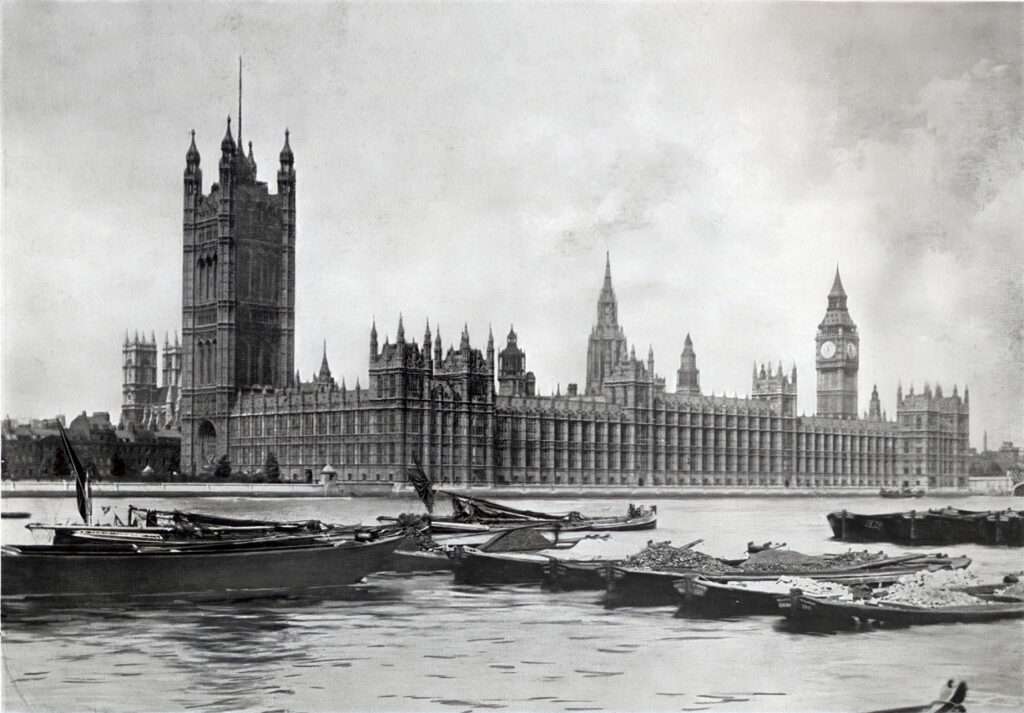
The Parliament Acts of 1911 and 1949 are two crucial pieces of constitutional law that establish the legislative supremacy of the elected House of Commons over the unelected House of Lords. The acts provide a legal procedure by which a proposed law (a bill) can become an act of parliament even if it is rejected […]
Hung parliament

A hung parliament refers to a situation where no single political party has an absolute majority of seats in the House of Commons. Hung parliaments most commonly arise as a result of an inconclusive general election. This leads to a period of negotiation between the political parties to determine who can form a stable government. […]
‘Elective dictatorship’

“Elective dictatorship” is a critical phrase sometimes used to describe the United Kingdom’s system of government, especially when a governing party commands a strong majority in the House of Commons. It argues that the constitutional framework allows the executive (the government) to dominate the legislature (parliament) to such an extent that it can pass its […]