Labour holds Stoke but loses Copeland in twin by-elections
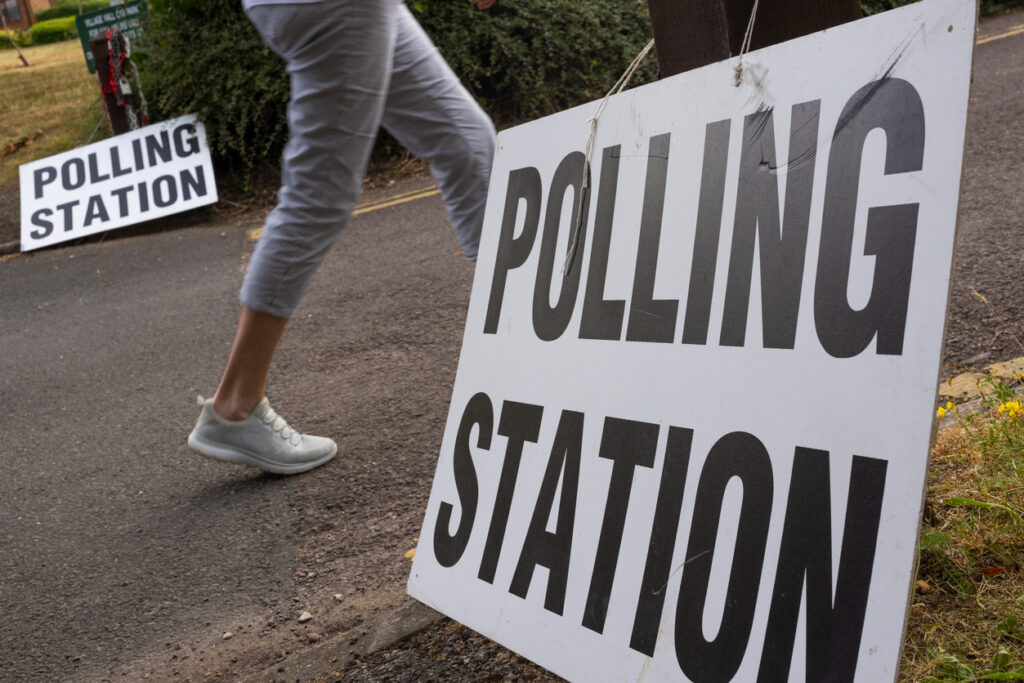
On 23 February 2017, two by-elections delivered a night of contrasting fortunes for the Labour Party. While the party successfully defended its seat in Stoke-on-Trent Central against a strong challenge from the UK Independence Party (Ukip), it suffered a historic loss to the Conservatives in the Cumbrian constituency of Copeland.
The Stoke-on-Trent Central and Copeland by-elections followed the resignations of Labour MPs Tristram Hunt and Jamie Reed respectively.
The Copeland result was a remarkable political upset. The Conservative candidate, Trudy Harrison, took the seat from Labour for the first time in its history – marking the first time a governing party had gained a seat from the official opposition in a by-election since 1982.
Harrison won with 13,748 votes to Labour’s 11,601 (majority of 2,147).
***
In her victory speech, Harrison hailed the victory in the Cumbrian seat as “a truly historic event”. Copeland, created in 1983, and its predecessor constituency Whitehaven had returned Labour MPs since 1935.
Harrison added: “It’s been very clear talking to people throughout this campaign that Jeremy Corbyn doesn’t represent them.
“They want a party which is on the side of ordinary working people, which will respect the way we voted in the referendum and which will build a country which represents everyone. That’s why they voted for me tonight.”
In Stoke-on-Trent Central, a constituency that voted strongly for Brexit in the 2016 referendum (by 69.4%), Labour candidate Gareth Snell fought off a high-profile challenge from the then-Ukip leader, Paul Nuttall.
https://x.com/jeremycorbyn/status/834960706659364864
Snell won with 7,853 votes to Nuttall’s 5,233. The Ukip leader won 79 more votes than the Conservative candidate, Jack Brereton.
Labour’s majority, 2,620, was reduced from the 2015 general election. However, holding the seat was a vital reprieve for Corbyn and prevented a narrative of total collapse in what would come to be known as the “red wall”. Commentators had talked up Nuttall’s chances during the campaign, with one even describing the contest as “Corbyn’s Waterloo”.
In his victory speech, Snell declared that Stoke-on-Trent had “chosen the politics of hope over the politics of fear”.
He added: “The city lazily dubbed by some as the capital of Brexit has once again proven to the world that we are so much more than that.”
It was later speculated that the Conservative Party’s victory in the Copeland by-election was a factor that informed Theresa May’s decision to call the 2017 general election, which resulted in a hung parliament.
Harrison retained the Copeland seat at the 2017 election. However, her majority was reduced to 1,695 votes.
***
Snell retained Stoke-on-Trent Central at the 2017 election with an increased majority of 3,897. However, the seat was one of the “red wall” constituencies to fall some two years later as the Conservatives under Boris Johnson won a landslide general election victory. In that contest, Jo Gideon was the victorious Tory candidate.
Snell predicted his own defeat before the result was officially announced during a BBC television interview. He immediately called on Corbyn and the shadow chancellor, John McDonnell, to stand down.
Snell stated: “This is one of the worst results the Labour Party could have imagined.
“The fact is in seats like Stoke-on-Trent we’re going to have another five years of Tory government… the damage and untold horrors they will unleash in Stoke-on-Trent I believe lays firmly at the door of those running the national party’s campaign and the decisions that they have made, about where to target and the sort of Brexit response they should have made.”
He added: “Some of the siren voices in the shadow cabinet who have big Liberal Democrat votes in their London seats decided that stopping Brexit and therefore lining themselves up for future leadership bids was much more important than respecting the vote in marginal constituencies… and they’ve sacrificed us for whatever political ambitions they want to do next.”
Snell returned to parliament as the MP for Stoke-on-Trent Central at the 2024 general election.
In the 2024 general election for the Stoke-on-Trent Central constituency, Snell received 14,950 votes, representing 42.4% of the vote share. The Reform UK candidate, Luke Shenton, came second with 8,541 votes (24.2%), while the Conservative candidate, Chandra Kanneganti, secured 6,221 votes (17.6%). Snell was duly elected with a majority of 6,409.

Politics.co.uk Newsletters
DAILY
Politics@Lunch
WEEKLY
Week in Review
