For many families in Chester, including mine, Chester Zoo is a much-loved part of local life, and we’ve been active members for decades. Last year it welcomed a record 2.1 million visitors and remained England’s most visited paid-for attraction outside of London.
Yet what happens behind the scenes matters just as much. Chester Zoo is a leading national education and conservation charity, working with more than 100 conservation partners in 20 countries to protect wildlife, habitats and people. As someone who has lived in this city since childhood and now represents it as the member of parliament for Chester North and Neston, I’m proud that one of our best-loved local institutions is also helping to tackle one of the biggest challenges facing our planet: biodiversity loss.
That challenge is under the spotlight this month in Antalya, Türkiye, where world leaders are meeting for COP31, the UN Climate Change Conference. Nature is our life support system, sustaining wildlife, habitats and communities that depend on it. That is why, on 17 November, the conference will focus its attention on nature and land use, including efforts to protect and restore forests.
Decisions taken in Antalya may be made on a global stage, but they’re delivered locally, and Chester Zoo’s work shows what can be achieved when we work together. Government has a vital role to play, but we must also harness the collective knowledge and expertise of businesses, NGOs, academics and local communities. One area where this collective approach can make a tangible difference is the responsible production of palm oil.
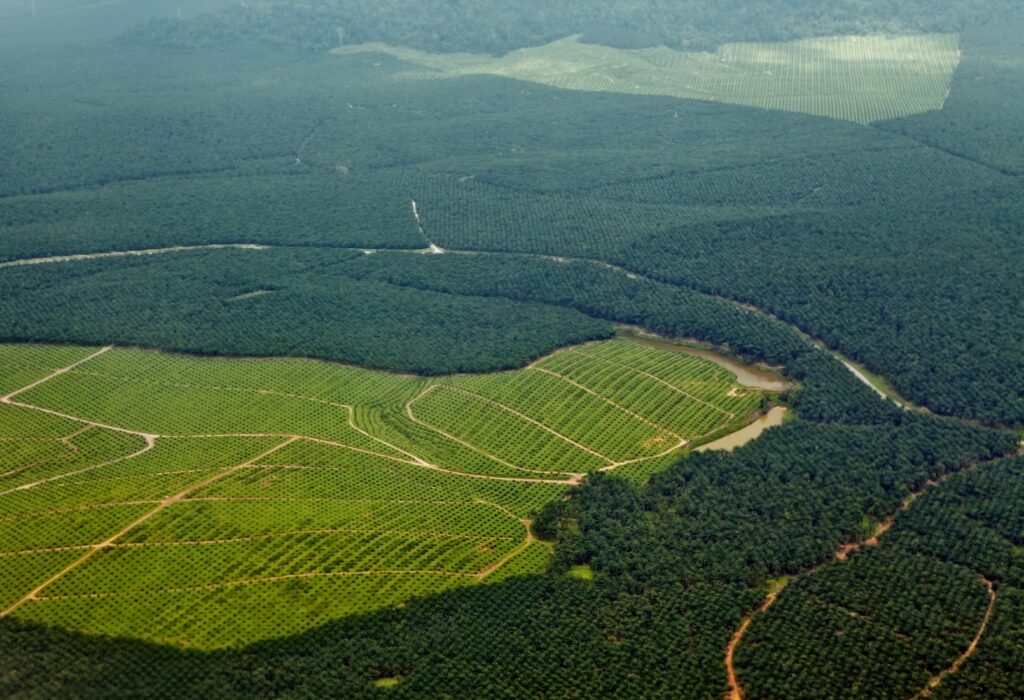
Palm oil is an ingredient found in many everyday products, and its production supports the livelihoods of more than 4.5 million people in Indonesia and Malaysia. How it’s grown has real consequences for forests, wildlife and the communities who depend on it. Since 2020, Chester Zoo and Ferrero UK, a family-owned sweet packaged food company and a global leader in responsible palm oil sourcing, have worked together to raise awareness of the importance of sustainable palm oil and how, when sourced responsibly, it can support biodiversity conservation.
Together, they support industry-leading initiatives, inspire future generations through unbranded school-based education, and use their collective voice to elevate the issue.
The partnership has now entered an exciting new phase. Ferrero UK and Chester Zoo have launched a three-year research programme in the Kinabatangan UNESCO Biosphere Reserve in Sabah, Malaysian Borneo, with the community-led conservation organisation Hutan leading field activities. The Biodiversity Research Forest programme is designed to help researchers better understand how wildlife and agricultural production can coexist. Hutan’s scientists are combining thermal drones, bioacoustic recorders and camera traps to monitor wildlife and build an understanding of ecosystem health in the area.
The research is already generating valuable insights, and this year the partnership shared its first findings. In year one, 30 camera traps confirmed 15 key species, including Bornean orangutans and elephants, using a corridor linking two forest fragments. Thermal drone surveys detected up to 20 orangutans within a mosaic forest-agriculture plot of 4 km, and findings show orangutans of different ages and sexes using areas previously thought to support only adult males. The programme is also helping to validate new scientific approaches to wildlife population monitoring.
Findings like these matter because good decisions depend on good evidence. By tracking indicator species and the overall health of the ecosystem, the programme aims to generate insights that can shape conservation action and landscape management practices locally. The project runs until 2028, and the ambition is for what’s learned in the Kinabatangan to inform sustainable palm oil practices not only in Borneo but across wider palm oil sourcing areas.
What strikes me most is the way the partnership is built. You have a business that understands its supply chain, a conservation charity that brings the science, and a local organisation that knows the land and the people who live on it. Combined, their strengths have the potential to produce evidence-based solutions that support biodiversity and help inform how palm oil landscapes are managed.
That’s the kind of collaboration the UK will need if we’re serious about meeting our global commitments. So much of the land our food comes from is far beyond our shores, which means our choices here reach well beyond our own borders. The government’s announcement in June, recommitting to new legislation to prevent illegal deforestation in supply chains, is an important step.
Partnerships like the one between Ferrero and Chester Zoo show how businesses and institutions can work together to drive meaningful change beyond their own supply chains.
Whatever is agreed at COP31 in Antalya will only make a difference if it is put into practice. The real test is what happens afterwards, in places like Kinabatangan and in cities like Chester. As the UK works to meet its commitments at home and abroad, we must encourage and support further cross-sector partnerships like this one, and I’ll continue to champion them.