Comment: We must protect the green belt
By Natalie Bennett
The dust had just about settled on the chancellor’s announcement early this month that he plans, in the alleged interests of the economy and dealing with the acute shortage of housing in some parts of England, to remove protection of the 6,000 square miles of green-belt land around cities and towns.
But it’s been stirred up again by Nick Boles, the new planning minister, who threw further doubt on the protected status of the green belt this week.
There can no longer be any doubt that there’s a very serious push in the Tory party at least (Lib Dem views have yet to clearly emerge – but based on past experience with other policies we certainly shouldn’t expect clear opposition) to get out the bulldozers and roll them over land that’s been considered safe for decades.


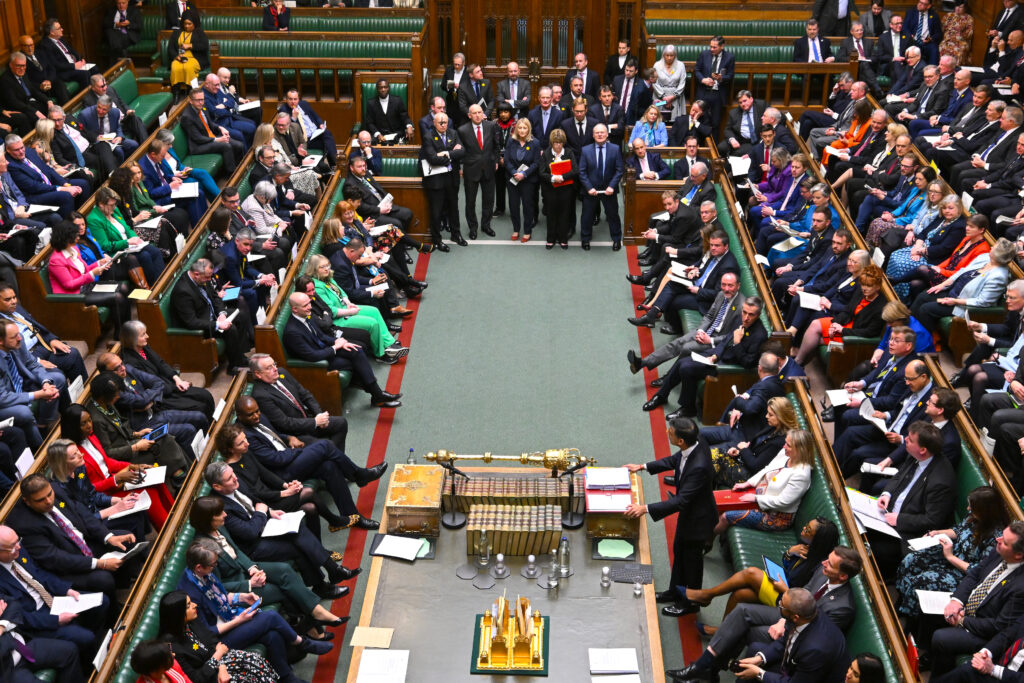
When Conservative MP James Gray noted in parliament that developers would always prefer green belt land to brownfield development options and asked Boles to speak in its defence, the minister responded with a very weak answer – it was for local people and local authorities to enforce that.
Yet as the case of Newcastle shows, local people might be very determined to protect their green belt, but find it extremely difficult to get their voices heard.
The words of one local campaigner there – "we felt that basically the planners were not listening to vital points people were making and instead they were spending all their time defending their present position" – I've heard echoed again and again up and down the country. The term 'consultation' is far too often, as standard, taken to mean 'rubber stamp' – under both Tory, Labour and Lib Dem councils.
So the green belt is in peril – and that’s something that really matters.
It matters first because these green spaces are pressure valves that studies have increasingly shown help, through recreation or simple time in peace, quiet and nature, the health and wellbeing of urban dwellers.
And it matters because this is often agricultural, or potential agricultural, land. It's blatantly clear that the age of supermarket aisles filled with plastic packets of Kenyan beans, Peruvian peas and Mexican blackberries is in its last throes – we need to relocalise our food supply, restore the ring of market gardens and orchards that not that long ago surrounded our cities and towns, bringing fresh local food back home – and the good jobs that can go with them.
Some of that land will still be agricultural, some of it will be pony fields now, some of it might well be golf courses – most of it will be in the greenbelt. We mustn't concrete it over.
Then there’s also the fact that building on green belt land requires lots of additional infrastructure, with its associated public costs, and also its carbon emissions.
But it matters above all because the green belt was put in place not just for the reasons above, but most critically to stop urban sprawl. Spreading cities and towns are not what we need.
We need to build homes for communities, not for commuters. Extending out into the greenbelt means accepting that more people will work away from where they live – putting further pressure on our often overcrowded roads and trains.
It means more people commuting for long periods of time – an add-on to our already overlong working hours. That leaves residents with little time for hobbies, for friends – dormitory towns are well known for having low levels of community involvement. David Cameron's beloved 'big society' has no place.
And most critically of all for families, it means parents are away from their children for even longer periods of time. Isolated commuter suburbs developed in an age of the stay-at-home mother. As Betty Friedan identified, they were never very happy places, but they're even less functional today in two-job homes.
There are a million empty homes in Britain and 1.5 million sites for homes on brownfield land. We don't need to build on the green belt.
We need a sensible regional development strategy to spread rebuilt manufacturing industries across Britain to help relocate workers into those empty homes. We need sensible redevelopment on brownfield sites that doesn't just stack them with houses but builds in jobs on residents' doorsteps. And we need to protect the arable land that we can help to feed us.
Natalie Bennett is the leader of the Green party. Follow her on Twitter
The opinions in politics.co.uk's Comment and Analysis section are those of the author and are no reflection of the views of the website or its owners.