Jeremy Corbyn loses confidence vote in overwhelming PLP rebellion
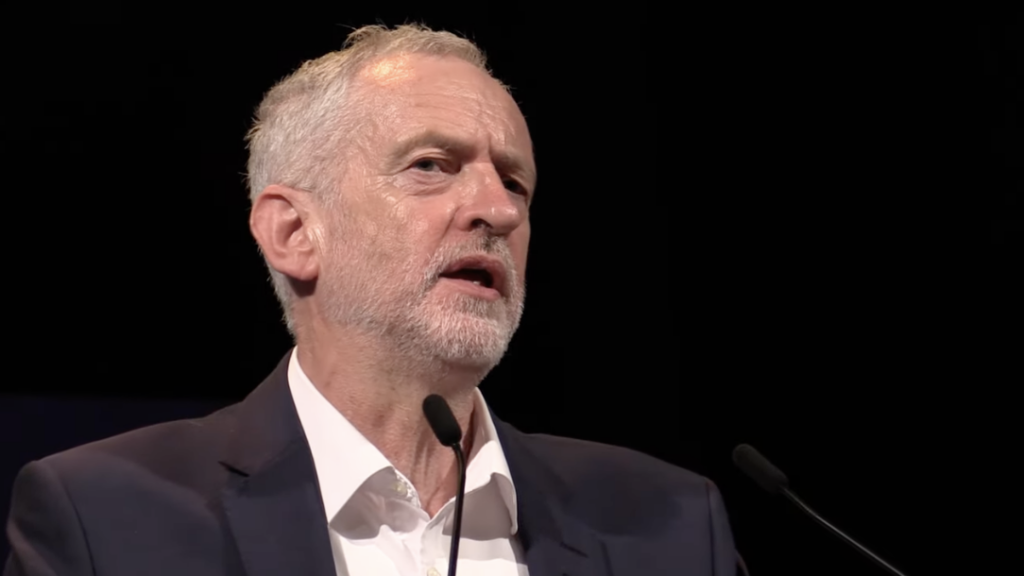
On 28 June 2016, the Labour leader, Jeremy Corbyn, suffered an emphatic defeat in a vote of no confidence among his own MPs, with 172 MPs voting against him and only 40 offering their support.
The ballot, while it was not binding, marked the culmination of a full-scale revolt against his leadership in the wake of the UK’s vote to leave the European Union.
***
The rebellion was triggered by widespread anger within the Parliamentary Labour Party (PLP) over what was seen as Corbyn’s lukewarm and ineffective support for the ‘Remain’ campaign.
The crisis began in the early hours of 26 June when Corbyn sacked the shadow foreign secretary, Hilary Benn, for allegedly plotting to oust him. During a phone call in the early hours of 26 June, the Observer newspaper reported that Benn “called fellow MPs over the weekend to suggest that he will ask Corbyn to stand down if there is significant support for a move against the leader.”
The report added: “[Benn] has also asked shadow cabinet colleagues to join him in resigning if the Labour leader ignores that request.”
Benn’s sacking came after a phone conversation with Corbyn, in which the leading frontbencher reportedly said that Labour MPs and shadow cabinet members had “no confidence in our ability to win the election”.
In a statement issued at 3:30 am, Benn said: “It has now become clear that there is widespread concern among Labour MPs and in the shadow cabinet about Jeremy Corbyn’s leadership of our party. In particular, there is no confidence in our ability to win the next election, which may come much sooner than expected, if Jeremy continues as leader.”
Benn’s dismissal opened the floodgates to a wave of resignations from the shadow cabinet, with dozens of frontbenchers quitting in a co-ordinated effort to force him to stand down.
But Corbyn remained defiant. After the result of the confidence vote was announced, he issued a statement declaring that he would not “betray” the trust of the party members who had elected him leader nine months earlier. He argued that the motion, held via a secret ballot of MPs, had “no constitutional legitimacy” under party rules and that he would not resign.
His statement read: “I was democratically elected leader of our party for a new kind of politics by 60% of Labour members and supporters, and I will not betray them by resigning. Today’s vote by MPs has no constitutional legitimacy.
“We are a democratic party, with a clear constitution. Our people need Labour party members, trade unionists and MPs to unite behind my leadership at a critical time for our country.”
Corbyn’s refusal to stand down prompted Labour rebels to shift strategy and move towards a formal leadership challenge.
***
Some weeks later, after Angela Eagle launched and quickly abandoned her leadership bid, Owen Smith secured enough nominations from MPs and MEPs to trigger an internal election.
The former shadow work and pensions secretary won the support of 162 UK and European Labour parliamentarians. The minimum requirement for triggering a contest was 51 – 20% of the combined membership of the PLP and European Parliamentary Labour Party.
In the subsequent election, held over the summer, Corbyn defeated Smith comfortably. Smith won just 38.2% of the members’ vote.
Corbyn’s relationship with the PLP, however, remained fundamentally broken.
His standing was secured by the 2017 general election, when Labour unexpectedly gained 30 seats. But relations soured markedly over the course of the 2017-2019 parliament.
Corbyn resigned as Labour leader in the wake of the 2019 general election, which saw Labour collapse to 202 seats – the party’s worst result since 1935.

Politics.co.uk Newsletters
DAILY
Politics@Lunch
WEEKLY
Week in Review