Third reading
The third reading is the final stage in a bill’s passage through a House of Parliament. It represents a final opportunity for members to debate the contents of the bill, in its amended form. The procedures for third reading differ between the House of Commons and the House of Lords, particularly regarding the ability to […]
Public bill committee
A public bill committee is a temporary committee of MPs set up by the House of Commons to scrutinise the text of a specific bill after it has passed its second reading. During the bill’s “committee stage”, the cross-party group examines the proposed legislation line by line and clause by clause, taking evidence from experts […]
Report stage
Report stage is a key stage in a bill’s legislative journey that takes place on the floor of the main chamber after the bill has been scrutinised by a committee. Its primary purpose is to provide an opportunity for all MPs, not just those who served on the committee, to consider the bill in detail […]
Royal assent
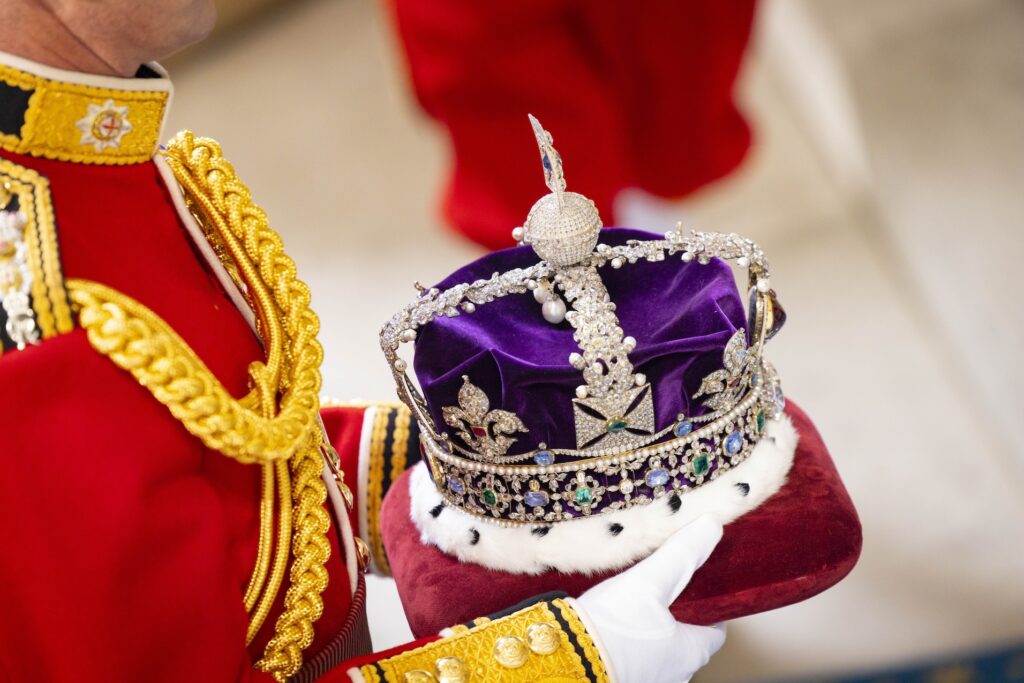
Royal assent is the final step required for any parliamentary bill to become law. It is the formal agreement of the monarch to a bill that has been passed by both the House of Commons and the House of Lords. This is a formality that is never refused by long-established convention. Once a bill has […]
Second reading
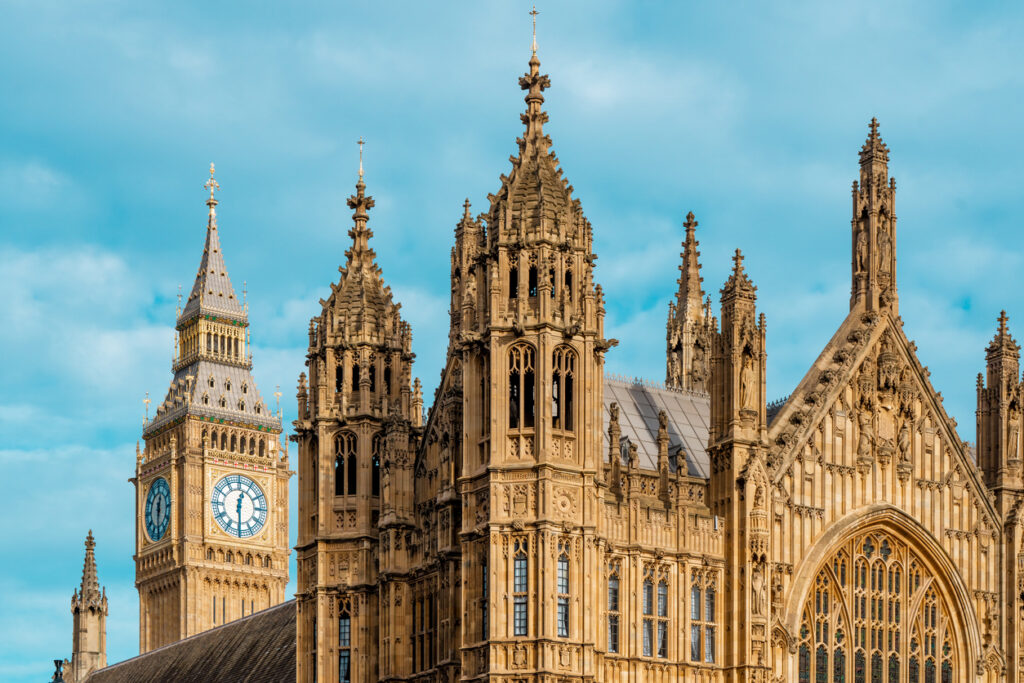
A second reading is the first opportunity for parliamentarians to debate the main principles of a proposed law (a bill). It is the first significant hurdle a bill must clear to proceed on its legislative journey. The debate takes place on the general merits of the Bill, rather than its detailed, clause-by-clause content. At the […]
Parliamentary ‘ping-pong’
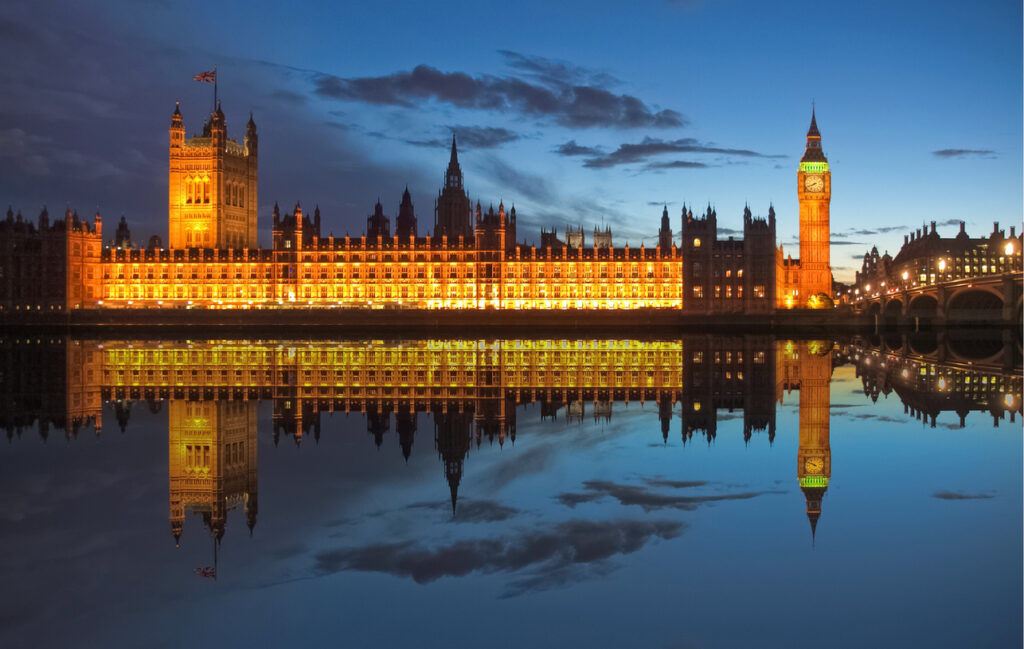
Parliamentary ‘ping-pong’ refers to the phenomenon whereby disagreements between the House of Commons and the House of Lords sees a bill travel back and forth between the lower and upper chamber. ‘Ping-pong’, an entirely informal term, occurs when one House has made amendments that the other refuses to accept. The bill is then sent back […]
First reading
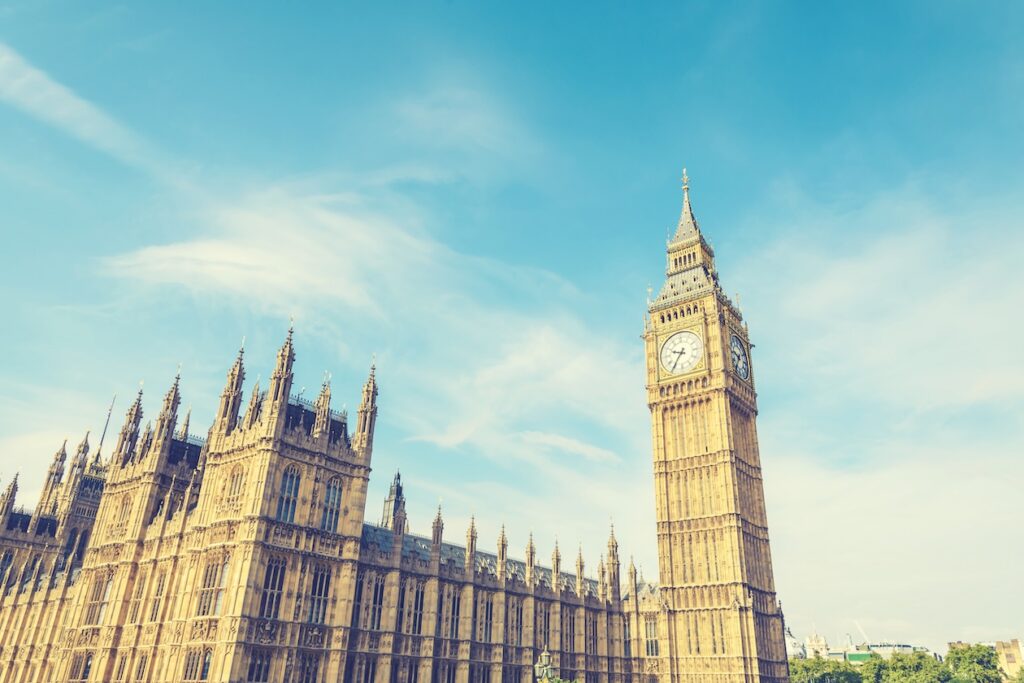
A first reading is the first formal stage of a bill’s journey through parliament. This tends to be a purely procedural step where the short title (name) of a bill is read out in the chamber, signifying that it has been formally introduced to the House. No debate or vote takes place at this stage […]
Committee of the whole House

A committee of the whole House is a procedure in the House of Commons where the detailed, clause-by-clause scrutiny of a bill, known as its committee stage, takes place in the main chamber rather than in a separate committee room. This allows every MP to participate in the debate and propose and vote on amendments. […]