Overview
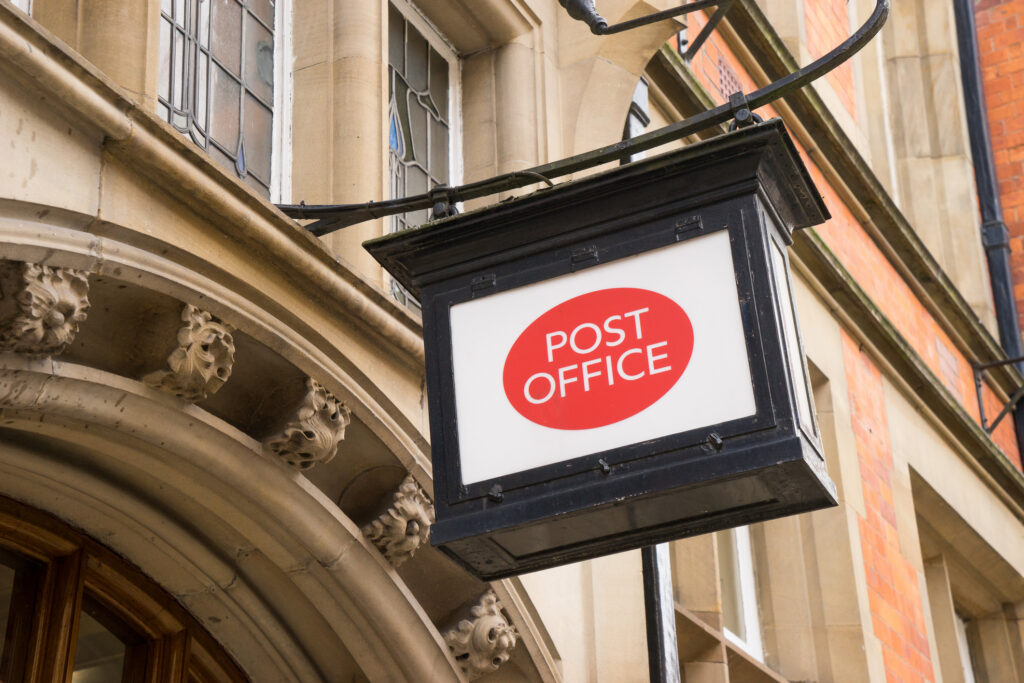
Post offices have been a staple of British life for decades, variously providing a local place for people to pay their bills, collect benefits, drop off their parcels, and buy stamps.
However the number of branches dwindled from about 25,000 in the mid 1960s to 11,415 in March 2021.
The number of post offices in the UK has remained very consistent at this level for the last decade.
Post Office Ltd (POL) is a subsidiary of Royal Mail Holdings and is responsible for the management of the Post Office network.


Around 84% of post office branches are agency branches that are operated by franchise partners or sub postmasters, who are independent business people. There is then an additional 1,700 outreach services (15%), which are typically smaller part-time branches use a village hall or mobile van to provide post office services to remote communities.
Only 191 post offices (1%), normally larger branches, are actually managed directly by the Post Office Ltd.
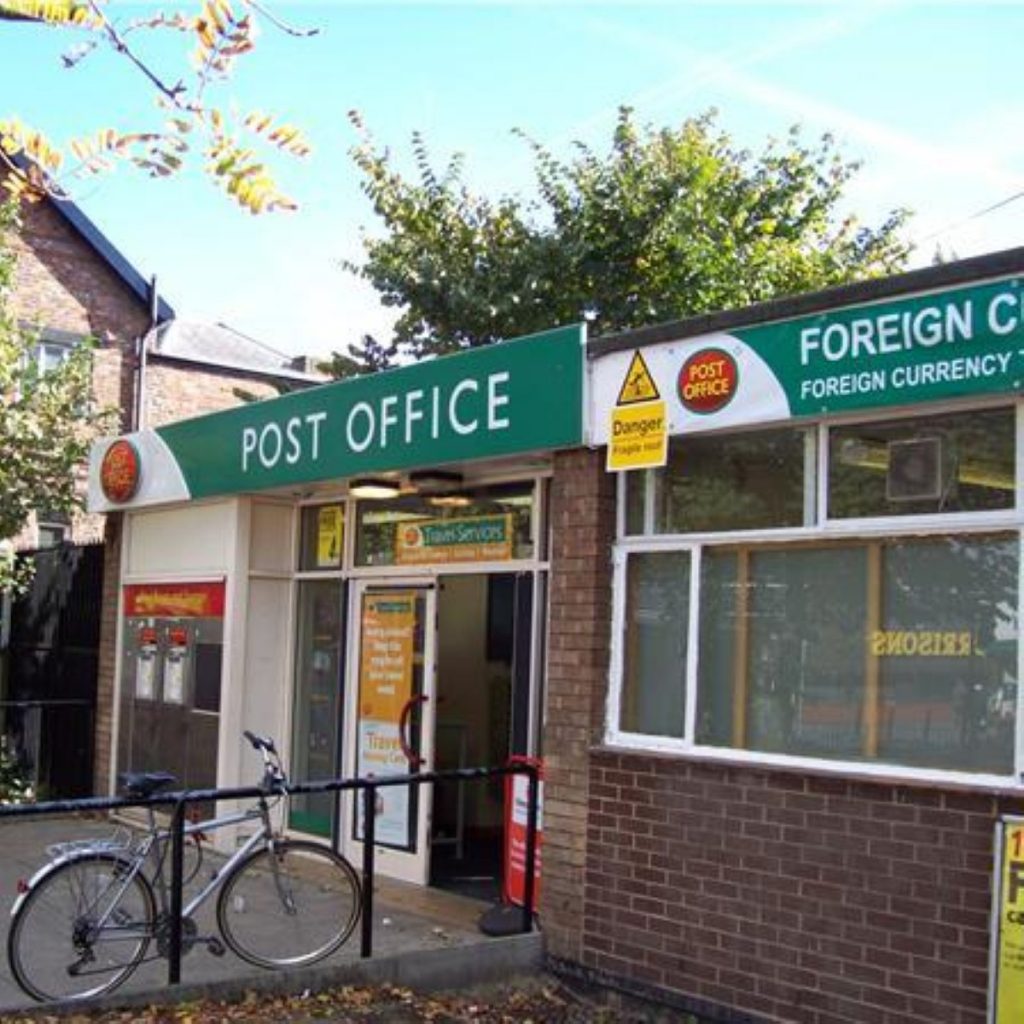
The government wants 99% of people to live within a few miles of a post office.
Background
The number of post offices in the United Kingdom dropped substantially in the early part of the Twenty First Century.
This decline was attributed to changes in people’s behaviour, particularly around banking. Many people now had benefits and pensions paid directly into bank accounts rather than collecting them from their local post office, and it became possible to renew car tax online or by phone.
In addition, where local post offices used to be the only place to buy stamps, there are now many thousands of alternative outlets, from petrol stations to supermarkets, where this is possible.
The largest decline in post office numbers came in the first decade of the Twentieth century. In 2006/07 the network lost £4 million a week, despite an annual £150 million subsidy from the government.
A large number of branches were shown to be serving less than 30 people a week, and all rural post offices were losing money.
Ministers decided this situation could not continue and in December 2006 the Department for Trade and Industry (DTI) published a restructuring plan which it believed would allow the Post Office network to continue providing services whilst making it more financially viable.
One problem was that aside from the 480 post offices owned by the Crown at that time, all branches were privately owned as franchises or agencies of Post Office Ltd. Most had sprung up haphazardly, with no overall assessment of whether they had a chance of survival.
Through its proposals the government signalled a new approach, which focused not on the number of branches but on how well the network met its new access criteria. These criteria stated that 99 per cent of the population should be within three miles of a branch, and 90 per cent within one mile.
The plans provided for 2,500 branches to close in the restructuring and this raised serious concerns about the loss of vital community hubs and services in some areas. However, the government pledged to continue the £150 million annual subsidy until at least 2011 and said this would give the remaining branches the best chance of staying open.
Upon coming to office in 2010, the Coalition government made it clear that it wished to see “a strong and sustainable future” for the Post Office network with no further closures. It put forward several proposals for change to help secure the future of post offices, such as enabling sub-postmasters, employees and communities in the future to participate in a mutually-owned Post Office.
In 2017 the government invested a further £370 million into the Post Office but required it to meet six access criteria. These included how 99% of the UK population needed to live within 3 miles of their nearest post office and how 90% needed to be within one mile of their nearest post office.
In November 2020 the government announced the Post Office would receive a further investment of £220 million. This was composed of a £50 million network subsidy payment and £177 million to invest in the future of the network. The £177 million investment funding is made up of a £125 million equity injection and a £52 million loan.
Post offices were one of the few business types permitted to remain open during the 2020-21 Coronavirus pandemic,
Controversies
When faced with the decline of the post office network in the 1990s and 2000s, government ministers argued that the increasing problems faced by the Post Office network were a reflection of changing behaviour in society, and that their plans were an attempt to safeguard the network in the face of that change.
However, opposition parties and campaign groups pointed to specific government decisions to withdraw contracts from the Post Office as a sign that ministers had played a large part in the network’s demise.
Rural groups said the closures reflected the government’s lack of awareness about issues affecting them, while unions were bitterly opposed to the closures, which would inevitably result in job losses.
The Coalition government elected in May 2010 promised there would be “no programme of closures” under their leadership. However, the new government was concerned about the long-term structure of the Post Office and suggested a debate be held on two alternative ownership structures: – either the Government would hold 100 per cent of the shares in Post Office Ltd., or the Post Office would be reconstituted as a mutual.
The Postal Services Act passed in June 2011 provided for a possible future move to a mutual ownership structure of the Post Office. A public consultation on a mutual model of ownership was launched at the end of 2011.
Changes proposed under the Network Transformation Programme intended to help the Post Office adapt to customer and market demands in a highly competitive and rapidly changing retail environment. These included longer opening hours, quicker service and accessible locations.
Further investment is being provided for main Post Office branchefs in larger towns and cities; and the Post Office Local concept was designed to offer a more flexible operating model with both customer and retailer benefits.
The Government insisted participation in the programme was “wholly voluntary” for sub postmasters and rejected claims that a “one size fits all” approach was being adopted, saying that Post Office Ltd would follow “a customised approach on a branch by branch basis.”
Statistics
Around 17 million customers, including a third of all small businesses, visit a post office every week
Around 4,000 post offices are now open seven days a week
Post Office Money was launched in 2015 to provide an umbrella brand for all financial services provided through Post Office Ltd. Many Post Office Money branded products are provided by the Bank of Ireland(UK) plc with Post Office Ltd acting as an appointed representative and credit broker.
The Post Office is now firmly established in the personal financial services market through its Post Office Money offering. In total the post office offers over 170 products ranging from foreign exchange to insurance.
[Source: The Post Office]
Quotes
“We are also a key touch-point between the public and government and have a long history of successfully providing essential government services. Our reach into communities combined with our desire to innovate to improve customer service is making life easier for millions of people through the provision of services as diverse and important as accessing cash and collecting pensions to renewing licences and passports”. – Post Office website.