British abstention fails to derail Palestinian statehood
By Charles MaggsFollow @charlesmaggs
Palestine has been awarded the position of 'non-member observer state' at the UN after winning a comfortable majority in the general assembly.
The UK was one of 41 countries to abstain from yesterday's vote, after the Palestinians failed to make the guarantees of future peace negotiations Britain wanted.
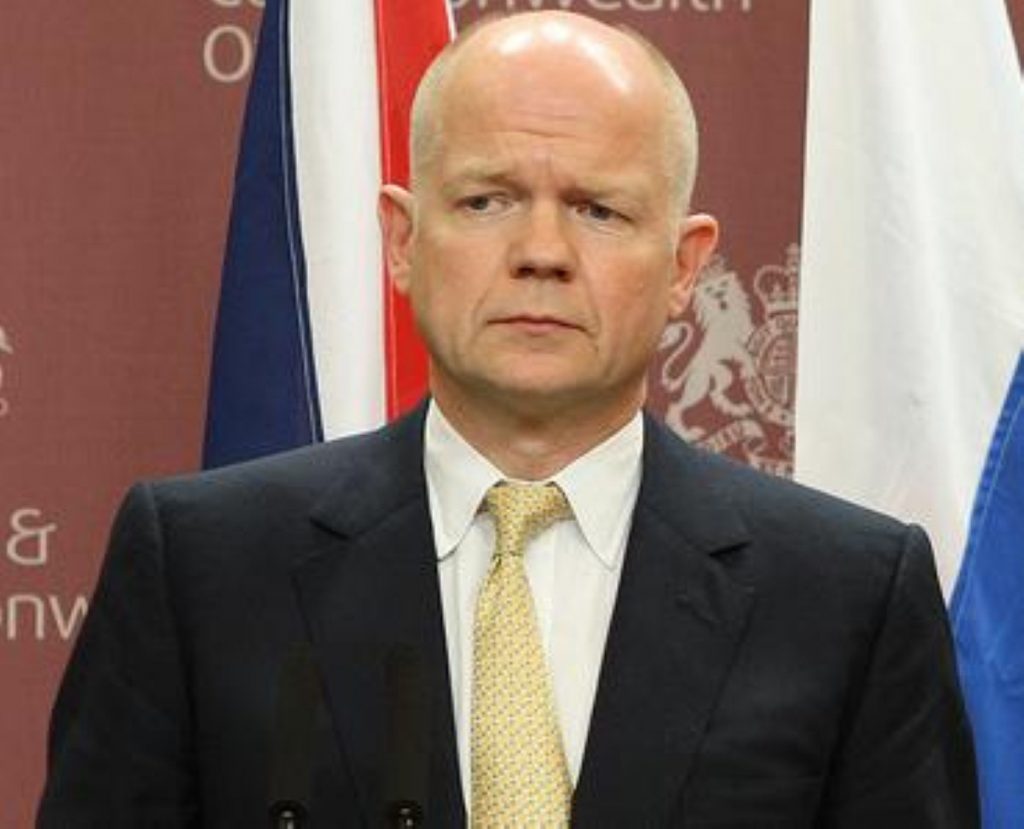
Foreign secretary William Hague accepted the vote, but made clear he did not believe it was good news for the peace process.


"We respect the course of action chosen by President Abbas and the result at the UN general assembly," he said.
"We continue to believe that the prospects for a swift return to negotiations on a two state solution – the only way to create a Palestinian state on the ground – would be greater today if President Abbas had been able to give the assurances we suggested, and without which we were unable to vote in favour of the resolution."
Seventeen European nations were among the 138 who voted in favour of Palestinian recognition. Only nine countries, including the United States and Israel, voted against.
Mahmood Abass, president of the Palestinian authority hailed the vote as historic, which was received with street parties in the occupied territories.
"Sixty-five years ago on this day, the United Nations general assembly adopted resolution 181, which partitioned the land of historic Palestine into two states and became the birth certificate for Israel," he told the assembly.
"The General Assembly is called upon today to issue a birth certificate of the reality of the state of Palestine."
The US and others opposed the move because it could allow the Palestinians to use their new position to take Israel to the International Criminal Court for its actions in the West Bank and Gaza.
Israeli Prime Minister Benjamin Netanyahu condemned the move, saying it was "irrelevant" and that President Abbas' behaviour was "not the actions of a man of peace".
The fragile ceasefire between Israel and Hamas has now held for over a week, but the conflict gave Hamas a marked boost in support. Abbas will be hoping this recognition will give his rival Fatah group an increase in popularity.
Israel is also due to go to the polls on January 22nd and the heightened tensions could see a further move to the right, making a lasting peace settlement less likely.