Boris demands new anti-strike law
By Ian Dunt
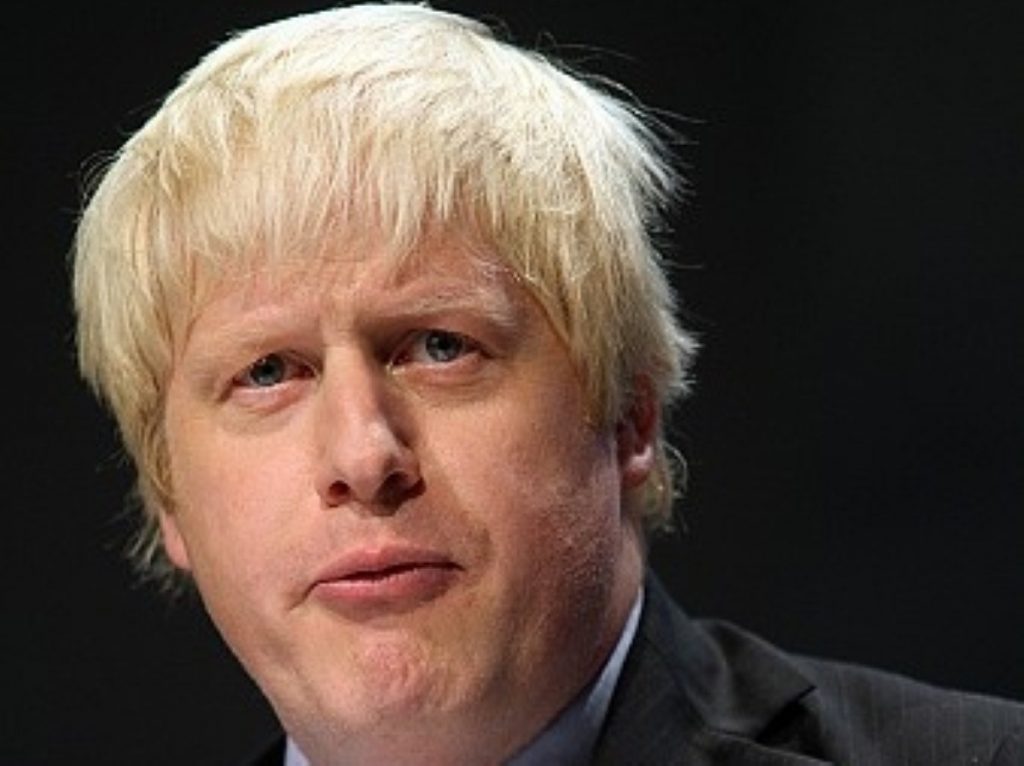
Boris Johnson has demanded new anti-strike legislation to make it harder for workers to engage in industrial action, as the London Underground is again brought to a halt.
The mayor called for legislation ensuring at least 50% of union members in a workplace are part of the ballot that decides on industrial action.
His call was backed up by the Confederation of British Industry (CBI), which set its proposed benchmark at 40%.


As things stand, a majority of those balloted need to approve strike action, but as few as one per cent of union members can be part of the ballot.
“I want to speak directly to the three million people who use the London Underground network every day and the first and most important thing to say is that I deeply regret the inconvenience you are suffering as a result of this strike,” Mr Johnson said.
“And I say to the leaders of the unions that this gesture is nakedly and blatantly political that it has nothing to do with health and safety or improving the terms and conditions of work of their members; and I say to our legislators at Westminster that it cannot be right that a ballot can lead to strike action when less than half the union members take part.”
RMT boss Bob Crow likened the proposals to a Latin American dictatorship.
“The latest publicity stunt from Boris Johnson and the Tory Party financiers from the CBI is to advocate bending and distorting democracy to try and ban strikes by the back door and strip workers of their basic human rights in a move which has echoes of a right-wing, Latin-American military dictatorship,” he said.
The demands came as the Tory party tried to provoke Ed Miliband into coming out against the 24-hour London Underground strike.
Transport secretary Philip Hammond said: “Just as Ed Miliband has failed to spell out how he would tackle our huge budget deficit he is also failing to come clean on what he thinks about these hugely disruptive and pointless tube strikes.
“Now he must answer two questions: does he condemn these pointless strikes that are causing disruption to Londoners, and will he encourage Underground workers to cross picket lines and keep our capital city moving?”
Mr Johnson, who delivered his speech to conference today, is coming out strongly against the strike, but he is vulnerable to attacks from Labour candidate for City Hall Ken Livingstone, who mocks him for having never met with union leaders.
TUC general secretary Brendan Barber said: “The UK has some of the toughest legal restrictions on the right to strike in the advanced world. Already the courts regularly strike down democratic ballots that clearly show majority support for action.”
Recent industrial action by British Airways staff was met with court resistance, leading Unite leaders to lambast what they saw as judicial interference in a legitimate industrial dispute.