Govt lifts ‘anti-science’ ban on hybrid embryos
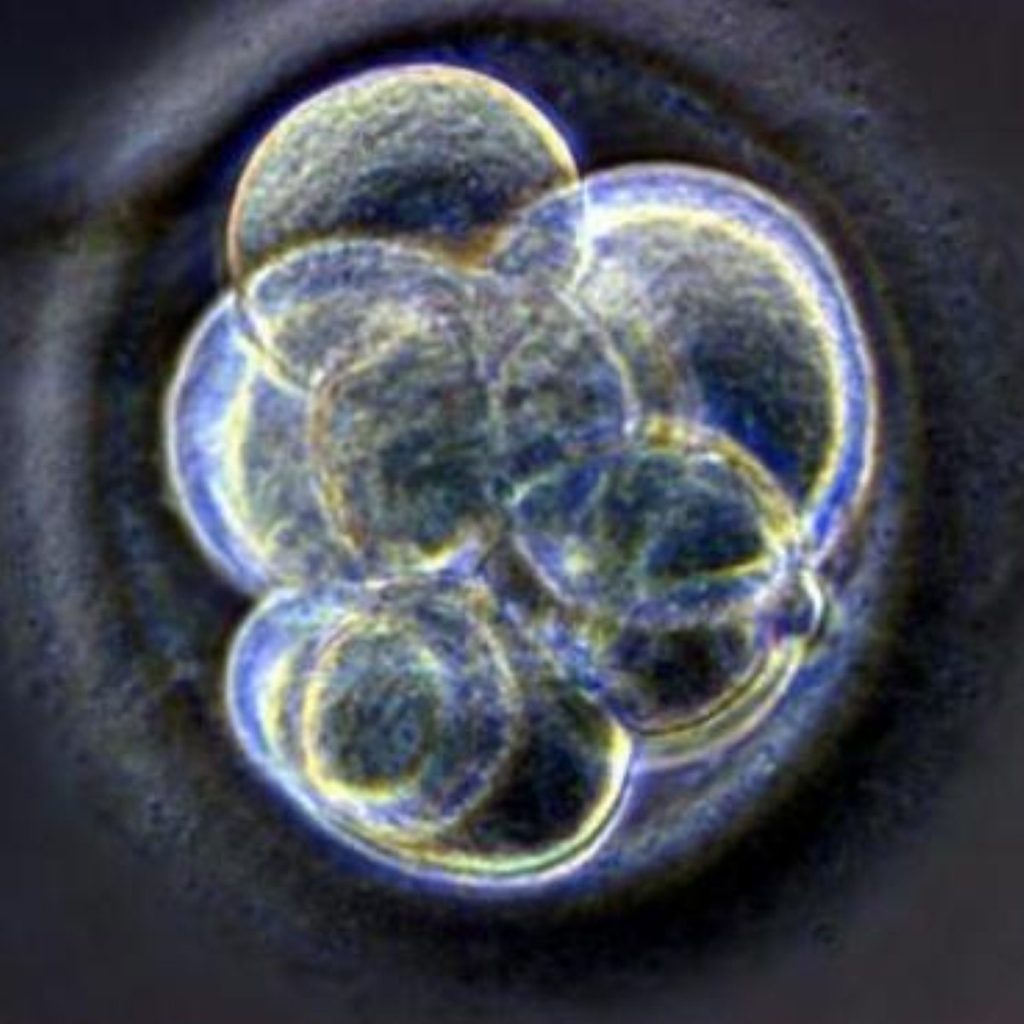
The government has reversed its ban on the creation of animal-human hybrid embryos, following a warning from MPs that restrictions could be “potentially harmful to UK science”.
Published today, the draft human tissues and embryo bill allows in principle the use of hybrid embryos for medical research.
The draft bill will now be debated by a pre-legislative scrutiny committee until July 25th.
The bill states: “Having regard to the scientific evidence produced during the committee’s inquiry, and that the recommendations are the consensus view of a parliamentary committee, we intend to accept the principle that legislation should provide for some inter-species entities.”


This considerably relaxes the government’s original recommendation for a total ban.
Last month the Commons science and technology committee warned such restrictions were too prohibitive, would frustrate research and could weaken the UK’s position as a scientific leader.
Public health minister Caroline Flint said the new proposals were needed “in order to maintain the UK’s leading position and ensure that the legislation is fit for the future.”
The scientific community has welcomed today’s concessions. Scientists say stem cells derived from hybrid embryos could advance research into degenerative conditions such as Alzheimer’s and Parkinson’s.
But opponents remain ethically sceptical of the creation of hybrid embryos. Comment on Reproductive Ethics (Core) said it was “very disappointed” at the government’s concessions, warning hybrid embryos “promote the yuck factor”.
Ms Flint acknowledged the issues surrounding the research are “contentious and complex”. She welcomed the scrutiny of the parliamentary committee in finalising the proposals.
The draft bill is the result of an extensive period of review and public consultation, following the publication of a white paper in December 2006.
Current fertility laws have been in place since 1990 and the government claims the Human Fertilisation and Embryology Act needs updating to reflect technological advances and changes in public attitudes.
The draft bill also removes the right to a father, although maintains the need for doctors to consider the welfare of any child created through reproductive technology. It also maintains a ban on sex selection for non-medical reasons.