Lords reject assisted dying bill
Peers have today voted to block a bill allowing terminally ill people in unbearable pain to end their own lives.
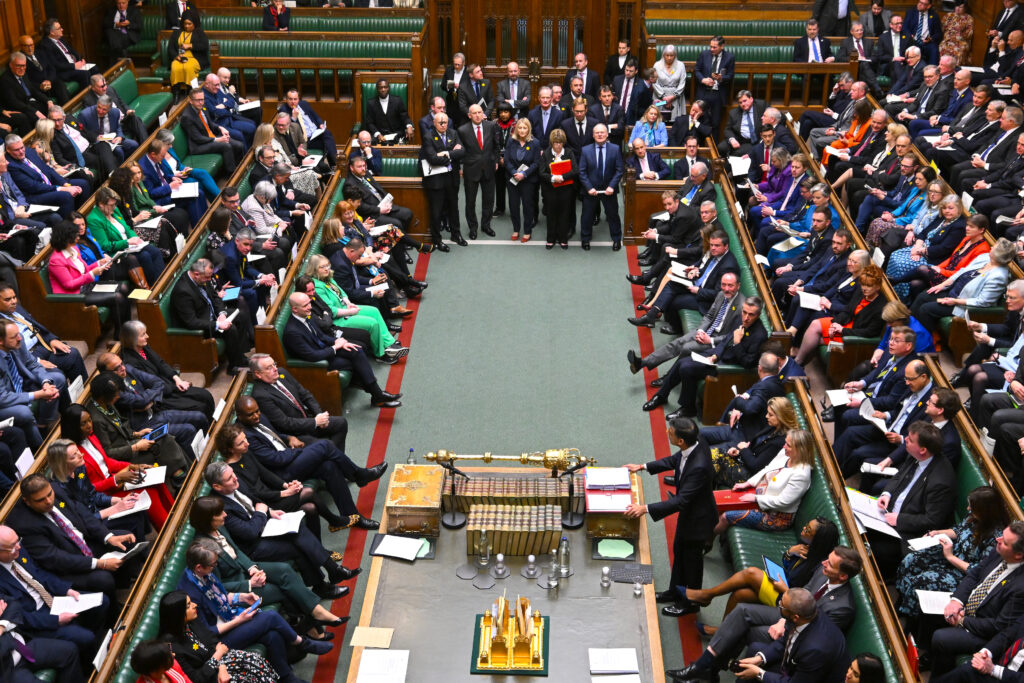
After a day of passionate discussions, the House of Lords voted 148 to 100 to support an amendment put by Liberal Democrat peer Lord Carlile to postpone the assisted dying bill for six months – effectively killing it off.
Lord Joffe’s private members bill had provoked controversy in political, medical and religious circles.
Supporters had insisted the law would prevent unnecessary suffering by allowing patients with no hope of recovery to decide when and how to die, while some groups also claimed that providing people with the option of assisted dying would help cut violent, desperate suicides.


However, many doctors, particularly those involved in palliative care, were opposed to the move, while disability campaigners said some people may feel under pressure to take their own life.
The proposed legislation would have allowed a doctor to prescribe medication for a patient to take their own life, after checking they were making the decision voluntarily, were of sound mind, and were suffering unbearably as a result of a terminal illness.
There would have been no obligation for a doctor to prescribe the fatal dose, nor would they have had to administer it. Hospitals and hospices would also have had no obligation to accept assisted dying on their premises.
Campaign group Dignity in Dying this week published a YouGov poll showing 76 per cent of the public agreed with the bill’s proposals, and chief executive Deborah Annetts insisted that despite improved palliative care, “some people still want this option”.
However, a survey for the Royal College of Physicians (RCP) found that a majority of its members opposed the bill, a feeling that was particularly strong among people working in palliative care, although there was support for a change in the law in the future.
The Royal College of Nursing (RCN) is also opposed to the move, although the British Medical Association (BMA), which represents doctors, last summer switched its position from opposition to neutral.
There has also been widespread opposition from religious groups, and in a letter to The Times this morning, the leaders of the Anglican and Catholic churches and the chief rabbi warned that the main principle behind the bill “is wrong”.
“Compassion for the terminally ill is incumbent on all of us, but in that respect we believe that the bill is misguided. Such a bill cannot guarantee that a right to die would not, for society’s most vulnerable, become a duty to die,” the letter said.
Signed by archbishop of Canterbury Rowan Williams, archbishop of Westminster cardinal Cormac Murphy O’Connor and Jonathan Sacks, it warned the elderly, lonely, sick or distressed could find themselves under pressure to ask for an early death.
They concluded by calling for “properly funded and accessible palliative care services” to better respond to the needs of those who may find themselves in a situation where the only option appears to be suicide.