Children to learn times tables earlier
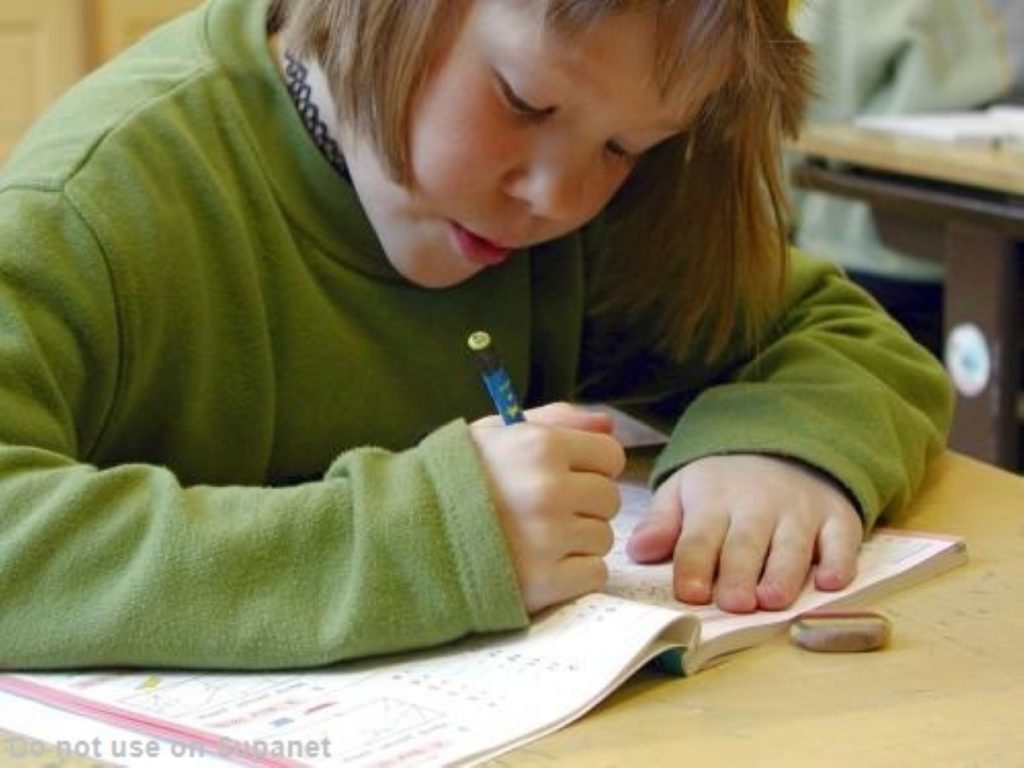
School children will be expected to master their times tables by the time they are eight – a year earlier than now – as part of a government drive to improve basic skills.
Following recommendations from Ofsted chief Jim Rose, ministers have also announced that phonics – where pupils use the sounds of letters to learn to read – will be a central element of teaching in schools.
Schools will also get cash for specialist training in the primary framework for literacy and mathematics, which comes into effect later this term.
Education secretary Alan Johnson said the government had made great progress in improving levels of English and maths, but noted that with one in five 11-year-olds still not reaching the literacy standard required of their age, more needed to be done.


A Department for Education and Skills (DfES) spokesman added that he was “concerned” by some of this year’s results.
He stressed: “We need to maintain momentum to bring about further improvement and we are already taking decisive action on our concerns.”
However, the National Union of Teachers (NUT) condemned the proposals, claiming the government was obsessed with “success”.
“How quickly a child learns varies. To set rigid targets ignores the differences between children,” a spokeswoman told politics.co.uk.
“Secondary schools are telling us that people are better prepared than in the past. It would be far better if the government left success alone and allowed teachers to exercise their own judgment rather than assuming that Whitehall knows best.”
But Anne Longfield, chief executive of the children’s charity 4Children, welcomed the proposals, saying “the importance of children’s literacy cannot be understated”.
She was especially pleased with the decision to increase the range of support and expertise available to teachers, and to provide the extra funding needed to pay for this.
However, she hoped that “future funding will be made available for what will be necessary ongoing training and development”.
Meanwhile, the Conservatives praised the emphasis on using synthetic phonics in the literacy strategy as “the most effective method of teaching children to read”.
But Liberal Democrat education spokeswoman Sarah Teather warned that children memorising their times tables a year earlier “is not going to help in the long run if there aren’t enough qualified maths teachers when pupils move up into secondary school.”