Comment: Our children are our most important resource
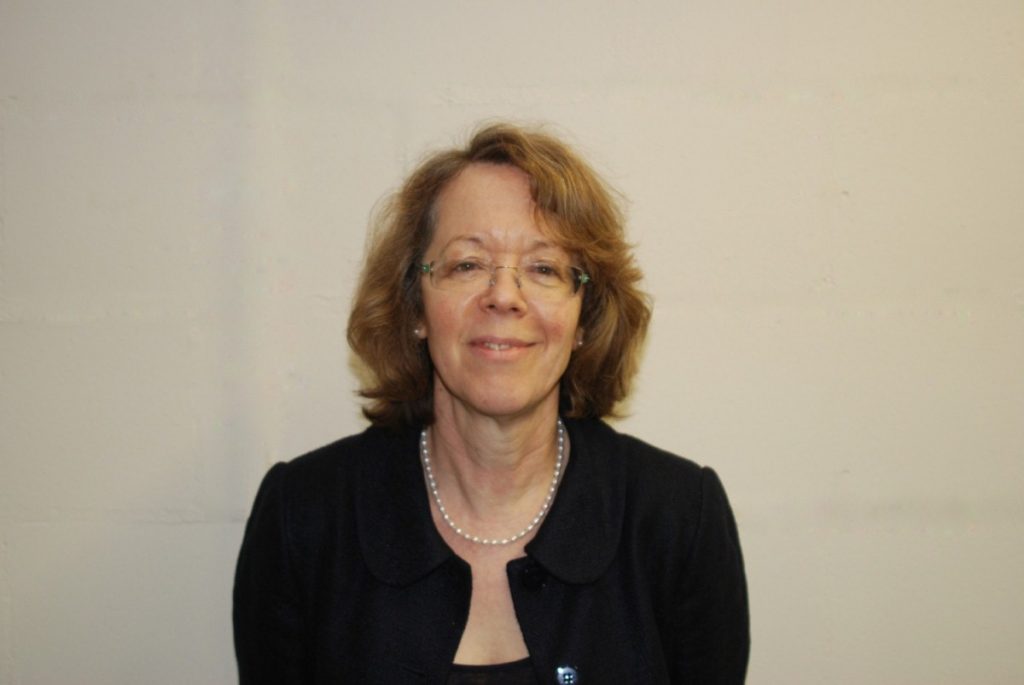
By Dr Hilary Emery
Few in the children and young people's sector – voluntary organisations, government, parents, children and young people themselves – underestimate the significant challenges facing the next generation. Local authorities' spending power is estimated to fall by up to a quarter over this spending period. Charities working with children and young people face almost half a billion in public funding cuts. The Institute for Fiscal Studies warns us that the number of children living in absolute poverty will rise to 3 million by 2015, and youth unemployment continues to increase. At the same time, large-scale reforms to the health, education and welfare systems – along with reductions in youth service provision and the number and services of children's centres – means confusion and real concern for professionals and families alike.
Inequalities in health, education and other outcomes persist, and in some cases are getting worse. Children growing up in poverty are less likely than their peers to do well in their GCSEs. Looked after children and those with special educational needs and/or disabilities face additional challenges, and do not always get the services and support they need to reach their potential. Children growing up in disadvantaged circumstances – in cold and damp homes, with little access to green space for play and recreation and parents struggling to make ends meet – are more likely to experience poor health now and into adulthood.
Next year, NCB will be celebrating an important anniversary – 50 years of working in partnership to improve the life chances of children and young people. This will be an opportunity both to look forward, and to reflect on the past. Half a century ago disadvantaged children (in this case living in a large or one parent family, with a low income and poor housing) were less likely than their peers to do well in reading and maths and to access leisure facilities, and more likely to live in cramped accommodation, suffer an accident at home or be absent from school due to ill health.


In the midst of economic crises and austerity measures we mustn't lose sight of our most precious resource: our children and young people. While we have seen significant progress in children's living conditions, education and health outcomes over the past 50 years, social inequality remains a significant challenge for our society. We're not there yet.
Dr Hilary Emery is chief executive of the National Children's Bureau
The opinions in politics.co.uk's Comment and Analysis section are those of the author and are no reflection of the views of the website or its owners