The week in politics: Doom, gloom and govt defeats
This week wasn't just depressingly typical. Think about it: it contained, in microcosm, all the themes of British politics in the aftermath of the 2010 general election.
By Alex Stevenson Follow @alex__stevenson
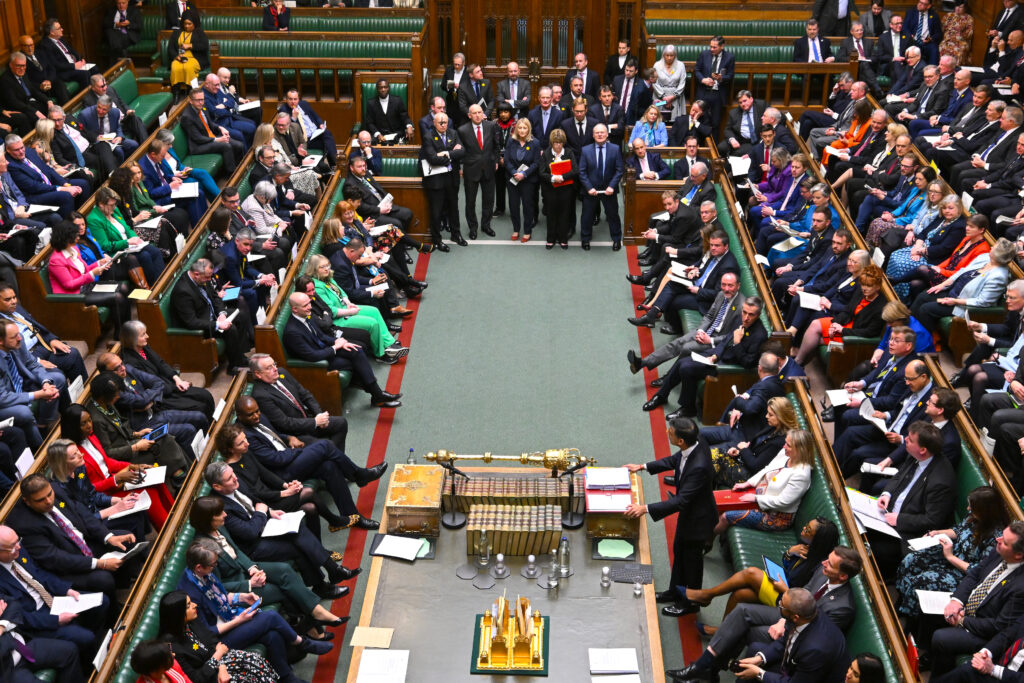
Above all else was the economy, dominating and overshadowing the Westminster landscape like an ugly, angry black cloud. Official figures provided bad news for the country: the economy slipped back into negative growth in the final three months of 2011, setting up the very real possibility of a double-dip recession. After the usual handwringing came the same old attack from Ed Miliband in Wednesday's prime minister's questions. We are thoroughly used to the arguments by now; the Labour leader blamed the coalition's excessively austere spending cuts, before the prime minister reeled off a list demonstrating his ministers' unerring commitment to growth.
The British people are thoroughly familiar with the arguments by now. "Cuts" has permeated our psyche. It is the single word most associated with politics these days, even more so than "expenses". There is very little politicians themselves can do about it, of course. They must play the hand dealt to them. With the government utterly committed to its course, the arguments we heard this week will play out again and again for weeks and months.


Later in the week the prime minister attempted to lecture Europe on sorting out its problems. Cameron urged the eurozone countries to be "bold", like Britain; his hectoring tone sums up the British government's confrontational, know-it-all attitude to the government. Europe is both a source of pain for the British economy and a dully deliberate foreign policy setback for the coalition – however Europhile the Lib Dems may be.
The question then becomes: how does the government share out the pain? The Liberal Democrats have made clear it is their task to ensure the cuts are "fair". Nick Clegg even gave a speech yesterday acknowledging that pressure on working families was at "boiling point", and pledged to hurry up moves to increase the income tax personal allowance to £10,000 as a result. But the rhetoric was not convincing – not yet, at least. His staunch support for the coalition's welfare reforms, which the rebellious Lords continued to systematically take apart this week in two big defeats for the government, underlined the fact that much of the coalition's policy book is straight out of the Tory party manifesto.
The biggest impact the Lib Dems managed to have on politics this week came on Thursday, when Foreign Office minister Jeremy Browne hit out in Question Time against the £1 million bonus awarded to taxpayer-owned bank RBS' chief executive Stephen Hester. His outrage was authentic opposition stuff; it only served to demonstrate the limited influence his party has in government. No 10, too, denied that David Cameron had any involvement in the decision. The incident will only serve to reinforce public scepticism about politicians' rhetoric to tackle greedy bankers and the excesses of capitalism. Ed Miliband's chocolate orange attack against David Cameron, as well as Vince Cable's refusal to legislate on executive pay, probably won't help, either.
Apart from the economy and the related gloom it brings was the coalition's positive attempts to impose reform on their own terms. It looked this week like they were unlikely to make much progress. Those beleaguered NHS reforms stumbled yet again when the Conservative-dominated health committee of MPs lashed out against Andrew Lansley. For now, though, the government remained undeterred. The royal colleges nearly united to deliver a killer blow, but in the end couldn't quite win over the surgeons. Again, that reflects a broader theme: these reforms have been lambasted for a year but have never quite been killed off. Cameron was as determined as ever to cling on in this week's PMQs.
So another week winds up. This one reflected the big issues of this parliament and the way the coalition is handling its challenges. It also revealed the difficulties the government is facing in pushing its own reforms through. There will be further trouble ahead, too: analysis of our interview with constitutional reform minister Mark Harper showed that Lords reform looks as unlikely as ever.
We can expect the dynamics of the last seven days to repeat themselves again and again for at least the 12 months and, probably, all the way up to the 2015 general election campaign. There may be disappointment, as well as further trouble, ahead.