The Week in Politics: Britain and Europe have a lovers’ tiff
Cameron euro-veto touches everyone.
By Ian Dunt Follow @IanDunt
Last Friday started in a more dramatic manner than we had been expecting. David Cameron's decision to walk out of negotiations on an EU fiscal pact sent shockwaves through international politics which are still reverberating. Back home, it messed everything up, from Ukip polling to the status of the coalition. Everything was a flurry of change and Westminster waited nervously to see what things would look like when the chaos settled.
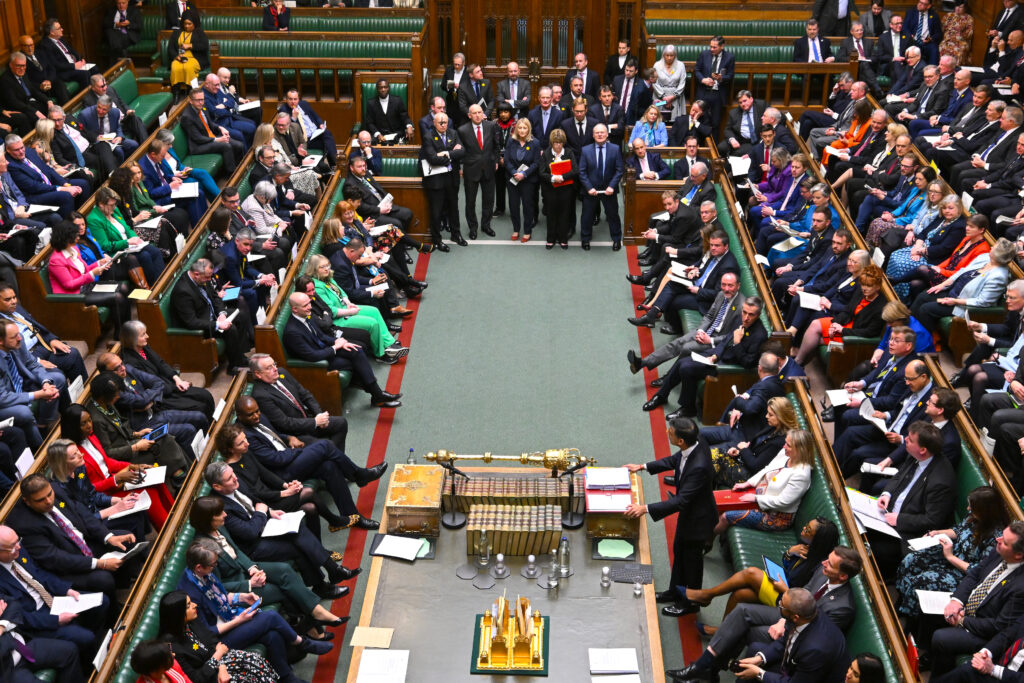
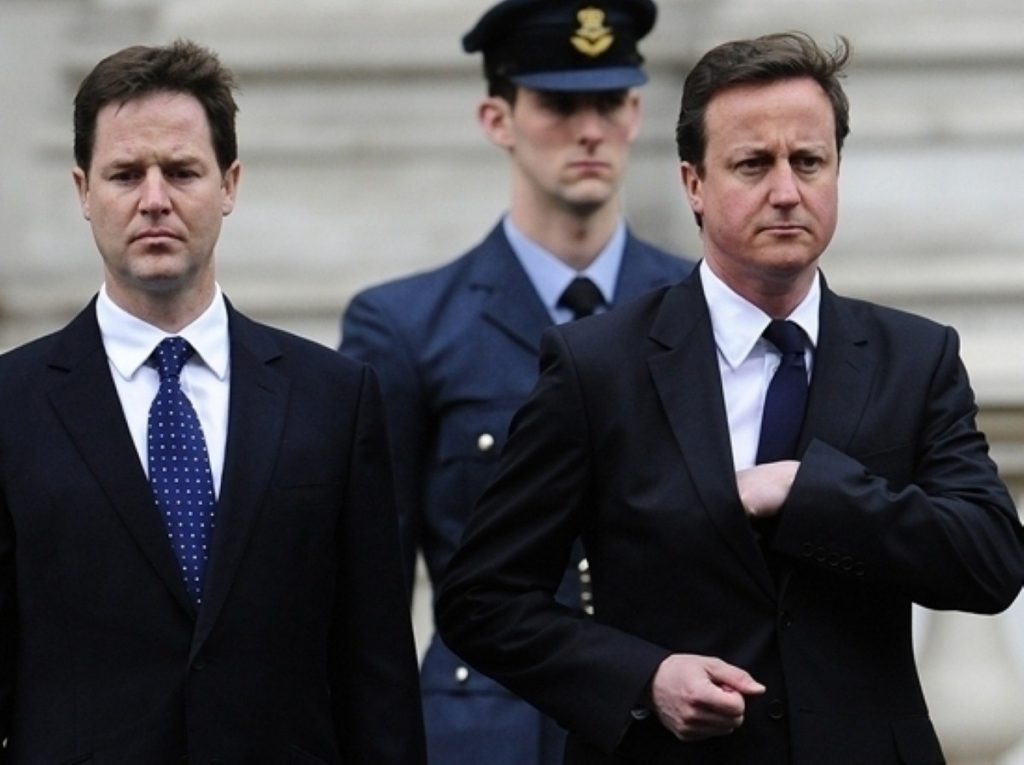
By Sunday, Nick Clegg had rather retracted his initial support for the decision. Suddenly he was on Andrew Marr's sofa, expressing his concern and frantically trying to make sure there were some Lib Dem members left in the party by the time of their spring conference. A day later he was conspicuously absent from the government front bench while David Cameron justified the veto to the Commons. But then, as if by magic, he was on TV again, seconds after the debate ended, saying what a mess the whole thing was. His advisers figured it was better for him to be seen proactively doing something, even if it was another TV interview, rather than just staring at Miliband and Cameron tear strips off each other in the Commons. The Lib Dem plotting resumed on Thursday, with reports that backbenchers would try to divide moderate eurosceptic Tories from hardcore eurosceptics while the leadership convinced City figures to lobby the prime minister.


If the decision split the British government, it did not harm its poll ratings. By Sunday, the Tories overtook Labour for the first time in a long time. Poll after poll showed the same trend, with Conservatives taking support from Ukip and Cameron's personal approval ratings rising steadily. A by-election in Feltham and Heston on Friday didn’t cement the trend however. While Ukip doubled its vote, Labour sailed in for an easy win, taking just over eight per cent off the Tories. It seemed to vindicate Lord Ashcroft's view that euroscepticism is popular with the public but they don’t vote on it.
On Wednesday, Ed Miliband tried to turn the chaos to his advantage, rubbishing the idea that Cameron's action was a sign of strength and insisting he had negotiated badly. The Labour leader was somewhat hamstrung by the fact he still had no comment on whether he would have vetoed the proposal or not, but PMQs was mostly remembered for a swift and effective counter attack from Cameron, who compared his fraught relationship with Clegg to Ed's with brother David. The ensuing coverage suggested it was the PMQs which finally did it for Ed. He certainly lost, but the negativity was out of proportion. The funny thing about it was that he was actually rather good on the same subject, during the Monday debate.
Meanwhile, the cross-Channel war of words continued, reaching levels of near-xenophobia which started to become uncomfortable. French president Nicolas Sarkozy abused Cameron as publicly as possible, while French bankers encouraged the credit rating agencies to downgrade the UK. There was a glimmer of light on Friday, when the EU invited Britain to attend talks as an observer, but the row continued when French finance minister François Baroininsisted "one prefers to be French than British".
Mercifully, the Christmas season has arrived, and with it the chance for merriment, time with family and some relaxation. Perhaps French and British commentators can calm themselves down before someone says something they regret. Or perhaps not.