Comment: Taxing meat can solve our ballooning obesity crisis
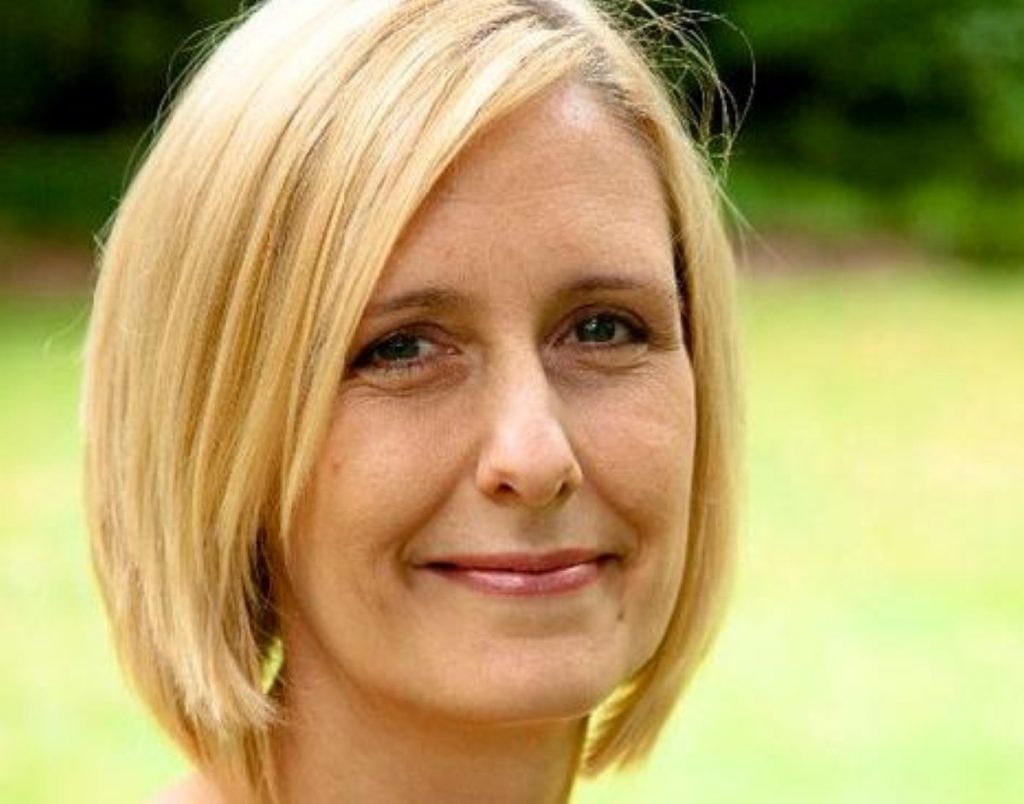
By Yvonne Bishop-Weston
It's no secret that the UK's girth is expanding day by day. In fact, British health officials recently announced that we need to cut five billion calories from our collective daily diet in order to slow the current obesity crisis. Left unchecked, obesity-related health problems could cost the NHS £10 billion a year by 2050.
The government has made some attempts to slim down our country by asking the food and beverage industries to reduce the amount of salt and fat in their products, requiring calorie contents to be posted where possible and encouraging people to exercise. But these efforts are like trying to bail out a sinking ship with a spoon.
They need to find a way to get the message across that we need to change our diets. One suggestion for combating our growing obesity crisis would be to tax meat products and promote a healthy plant-based diet. We would do well to learn from the Danes, who recently implemented a tax on food products that are high in fat, including meat and other animal products, as a means of tackling their growing rate of obesity. Also the Belgians, who've cut portions of meat served in nurseries and school canteens by up to 50 per cent in order to prevent future generations from following in their parents' overweight footsteps.


Our country's meat-heavy diet is a major contributor to obesity, as well as many of the UK's top killers, including heart attacks, strokes, diabetes and some cancers. Overwhelming scientific evidence shows that vegetarians and vegans are less likely to be overweight than meat-eaters are and are more likely to be in better overall health. The American Dietetic Association – the largest group of professional nutritionists in the US – reviewed hundreds of studies and concluded that compared to people who consume meat, vegetarians have lower rates of obesity, heart disease, diabetes and cancer.
Eating contaminated meat also sickens and kills many thousands of people each year. Campylobacter bacteria is the most common cause of food poisoning in the UK and, in 2008, was responsible for an estimated 321,000 cases in England and Wales alone, resulting in more than 15,000 hospitalisations, 76 deaths and an estimated cost to the economy of more than £583 million. Encouraging the consumption of vegetables and fruits over foods that come from animals would reduce this risk and this burgeoning public health problem.
Along with deterring people from buying unhealthy foods, the government also needs to make it as easy as possible for its citizens to eat healthfully. For example, although preparing plant-based meals is just as simple as cooking meat- and cheese-laden ones, many people may not have had experience with this. We need to teach plant-based cooking and show people how easy it is to include protein from healthy and inexpensive sources such as beans and pulses. More governmental power could also be used to ensure supermarkets offer more healthy foods and display them in prime positions. It would also help if food magazines became more proactive at featuring healthy and delicious recipes and kept the ones high in saturated fats and sugar clearly labelled as treats, not as everyday foods.
The dire prediction being made by health professionals and government officials that this generation of children could die before their parents because of preventable, obesity-related health problems does not need to come true. More, however, does need to be done to promote healthy eating in schools. A good strategy would be to adopt meat-free Mondays in all schools and provide parents and children with up-to-date nutrition information and simple meat-free recipes to make at home.
Our country's rate of obesity represents a full-blown crisis, and the time for decisive action is now. Taxing animal-derived foods and promoting plant-based eating would give us another possible chance at slimming down and enjoying good health. And with all the unwanted weight that Britons would lose, animals would gain: every person who goes vegetarian saves more than 100 animals a year from the cruelty of factory farming and slaughter. They might just save their own lives too.
Yvonne Bishop-Weston is a nutritionist who works with People for the Ethical Treatment of Animals
The opinions in politics.co.uk's Comment and Analysis section are those of the author and are no reflection of the views of the website or its owners.