Feature: Why the Bribery Act is only a small step forward
Today should be a day of celebration for anti-corruption campaigners, but dismay at the flawed Bribery Act is preventing any sense of triumph.
By Alex Stevenson Follow @alex__stevenson
Fifteen years ago, bribery was a legitimate tool for businessmen in search of a contract. It was not only acceptable, it was tax deductible expenses.
So ten years ago Labour MP Hugh Bayley, a minister in Tony Blair's first term, introduced an anti-corruption bill to parliament. Like most backbench MPs' bills, it didn't get far.


It did pave the way for money laundering to help fund terrorism become an offence in the first batch of anti-terror legislation following 9/11, though. That prompted home secretary David Blunkett to include a provision making transnational bribery illegal. It took seven or eight years for the first cases to be brought forward: the BAE Systems' Tanzania and al-Yamamah cases were the result. The Tanzania case was settled with a £500,000 fine. The al-Yamamah case ended with BAE being convicted of failing to keep adequate financial records – nothing worse.
Britain continued to perform poorly in the Organisation for Economic Cooperation and Development's (OECD) regular anti-bribery convention audits, however. So, eventually, the New Labour government brought forward a bribery bill in its last years in power.
The new legislation finally did what campaigners had been calling for: making bribing a foreign official a crime, and introducing a new 'corporate liability' where senior executives could find themselves in jail if they had failed to take steps to prevent bribery.
Had that been the bill passing on to the statute books and coming into force today, campaigners would have been delighted. Through a series of what campaigners call "sinister changes", it isn't.
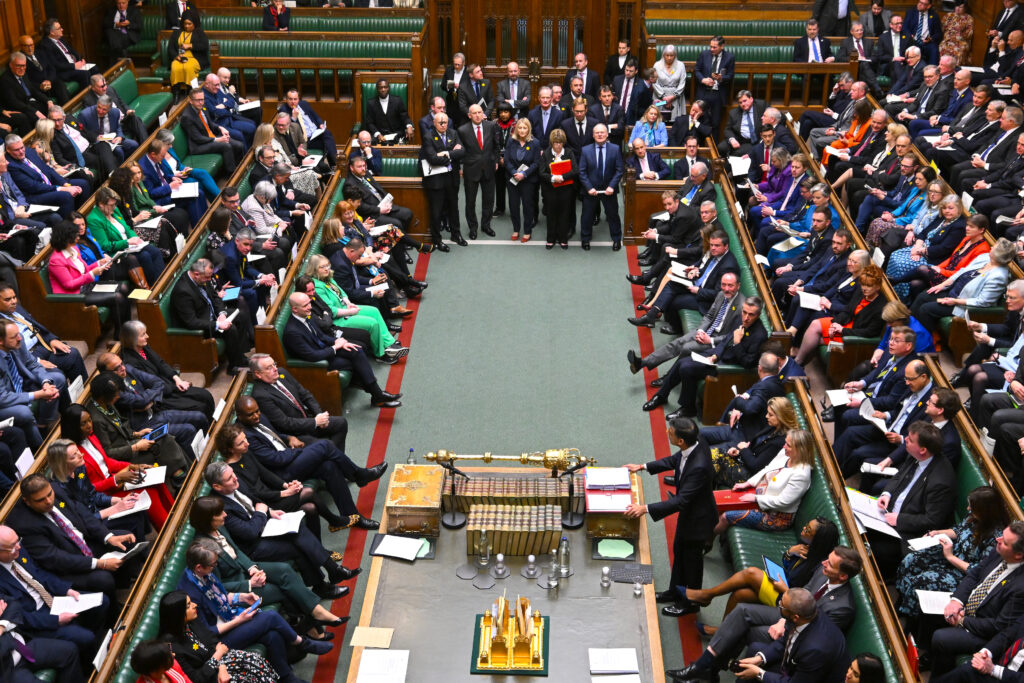
The New Labour bill never made it through the Commons intact. It hadn't become law by the final days of the last parliament. So it entered the period known in the Palace of Westminster as the 'washup', where bills will only pass if the opposition lets them through without a vote. Labour ministers had no choice but to abandon large chunks of the bill to win Tory support.
The process of erosion was not over once the coalition came to power. After a couple of lengthy delays to the bill's implementation, the government finally published its guidance on how to comply with the new law. It did not deem 'hospitality' to be a bribe, after all. Foreign companies which carry out significant business activities in the UK, like Rosneft and Gazprom, were not to fall within the bill's jurisdiction. Worst of all, the bill stated that subsidiaries of UK companies would not be covered under the Act.
"Ever since the change in the law in 2001 to make international bribery a crime, companies have tried to cover their traces by passing the responsibility for giving the financial inducement to an agent or a subsidiary," Bayley says. George Boden, a campaigner for Global Witness, calls this a "get out of jail free" card. Companies engaging in bribery route their money through tax haves, or use joint ventures, or subsidiaries, to protect themselves. "It's an arms-length thing," he explains. It will be harder for prosecuting authorities – in Britain, the Serious Fraud Office (SFO) – to prosecute now as a result.
The CBI, Britain's most influential pro-business lobby group, was cautiously positive when I approached it for a comment. "Recent guidance has clarified a number of important areas, including the extent of liability through the supply chain, joint ventures, due diligence and corporate hospitality," its principal policy adviser Jim Bligh said.
"The Serious Fraud Office must take a common-sense approach to enforcement, ensuring it is reasonable and risk-based. And we want other countries to follow the UK's lead and take a firm stance against bribery and corruption to ensure there is a level-playing field internationally."
The experts claim the campaigners are getting a bit carried away, too. Boden wanted to see as little by way of guidance as possible, putting the pressure on corporate bosses to really ensure they change their culture rather than just fill in a tick-box compliance sheet.
"I understand what they're saying, waving this as a community chest get out of jail free card, but that isn't right," says Peter Cadman, head of regulation at City law firm Russell-Cooke LLP. British firms have taken the new legislation very seriously, he says. They've realised they need to update their processes and procedures to make sure they're complying. "This is a situation where if a company has done everything it should – done the risk assessment, given staff the training – why should it be responsible for the misconduct of a rogue employee?"
If there is a suspicion that a company is just paying "lip service" to the bill, "having the systems in place doesn't get you off the hook", Cadman adds. Proper investigation should be able to result in a conviction.
That, at least, is the theory. What is depressing campaigners now is the question of whether or not that's actually the case in reality.
"However," Bayley adds, "the Bribery Act is a step forward on what we had before because it makes clearer what the offence of bribery is. The critical thing is how keen the investigating and prosecuting authority, the SFO, is in implementing the law."
As has become clear in recent weeks, however, there are real question-marks over the vigour with which the SFO will pursue corrupt firms. It is not a lack of will from its chief, Richard Alderman, who has pledged to "broadly interpret" the bill, which is the problem, but rather uncertainty about its future as an institution, overall budget cuts of 25% and unresolved questions about the Tories' political commitment to tackling the issue.
The problem is these cases are very difficult: sophisticated white collar criminals are conducting deliberate, premeditated crimes, often involving large sums of money, Bayley says. Those perpetrating them get good professional advice about how to cover their backs, so serious investment is needed to bring forward a feasible case.
"Without the SFO being funded to do this work and without a clear steer from the attorney-general as to whether this is something the government sees as a priority, nothing will happen – whatever the law might say," Bayley warns.
That's why those who want Britain to clamp down on corrupt British firms are worried. They've waited for years for this day. Now it's here, this still feels like unfinished business.