Top ten scandals of 2010
For such an eventful political year, there were relatively few major scandals in 2010. While some of them felt important at the time, you’ll notice as you read this list that you’ll have forgotten most of them. Most of the biggest scandals of 2010 are in fact new developments on pre-existing rows, such as the phone tapping affair or Lord Ashcrofts tax status. Many others won a considerable amount of sympathy. Don’t fret though, there’s still enough red meat to keep carnivorous political junkies happy.
By Ian Dunt
10: Commons brawl
The Sports and Social bar in Westminster, a favourite for old-school Labour MPs and the closest thing you can get to a proper pub in the parliamentary estate, was the the scene of mild fisticuffs this year. Labour MP Paul Farrelly got involved in the scuffle during – hilariously – a karaoke night. Newspaper seller Bjorn Hurre was the recipient of his ‘John Prescott moment’.


9: Robinson takes a break from power
Northern Ireland first minister Peter Robinson finally bowed to the pressure in January, and stepped down temporarily to fight his case. An investigation eventually gave him the all-clear over allegations concerning his wife, who was reported to have had an affair, procured two loans totalling £50,000 for her then 19-year-old lover Kirk McCambley and attempted suicide. A few months after he returned to office, he became the first major casualty of the general election.
8: Hague’s hotel room
Probably the least pleasant of this year’s scandals saw various allegations from various internet sources levelled against the foreign secretary concerning his relationship with 25-year-old special advisor Christopher Myers. Certain eyebrows were raised by William Hague’s decision to employ the man, and the fact they had stayed in hotel rooms together. He responded in a rather remarkable fashion, by releasing an astonishingly honest statement insisting that his marriage was fine, but that he and his wife had struggled to have children. The spotlight soon turned, and bloggers had to explain their actions after political leaders – from David Cameron to Ed Miliband – spoke out about his treatment.
7: Expenses. again
It certainly dropped down the list, but MPs’ expenses hadn’t disappeared from the scandal list in 2010. There were no new scandals, but the decision to prosecute various parliamentarians for false accounting prompted them to try and undo the procedure by claiming parliamentary privilege. That prompted much condemnation, not least of all from Mr Cameron, who vowed to reform the system during the election campaign. No need. The judges weren’t having any of it.
6: Cash for influence
It was a pretty nasty end to a career. Stephen Byers described himself as a “cab for hire”, before saying he needed an eye-watering £5,000 a day to exert influence for firms. Former health secretary Patricia Hewitt was a little cheaper, only requiring £3,000. Geoff Hoon, the former defence secretary, came in at £3,000 as well. This was the cash for influence scandal, the disaster that former Cabinet secretaries got into as they tried to flee the sinking ship that was Labour before the election.
5: Laws’ expenses outed
Another scandal that left a bad taste in the mouth. Chief secretary to the Treasury David Laws decided to resign after it was revealed he was secretly paying rent to his boyfriend and landlord James Lundie. In actual fact, the MP had lost out on money because of the deceit, motivated by his fear of being outed as gay. There was immense sympathy for Laws, from politicians (notably George Osborne), journalists and the general public. For the first time, several people started to feel as if the expenses scandal was now doing the nation a disservice.
4: Ashcroft’s tax status
After years of questions, the deputy Tory party chairman’s tax status was revealed just as it could do the most damage. Matters came to a head after information commissioner Christopher Graham gave the Cabinet Office just 35 days to end the secrecy. Lord Ashcroft was a non-dom. It was out, and the Tories’ attempts to dispel the notion that they were a party for the rich went completely pear-shaped just as the election campaign was kicking off. Later, he would admit that he actually felt a little hard done by by the party during this period, as the media launched into attack mode. Regardless of his status, though, his work was done. Ashcroft money flew into marginals, but didn’t succeed in winning the Tories the election.
3: Phone-hacking
Andy Coulson’s seemingly unstoppable career managed to survive another 12 months of allegations about phone hacking while he was at the News of the World. Now director of communications at Downing Street, he was uniquely vulnerable to new revelations, which was precisely what he got. The first salvo came from the New York Times, which had rather a hostile relationship to his old boss, Rupert Murdoch. Then came his old friends the Guardian. The revelations sucked in Coulson, and therefore the government; the Met police, for not conducting the original investigation properly; and half the celebs and politicians in the UK. Red faces all round, especially when repeats of his assertive appearance at the culture, media and sport select committee were aired. Somehow, though, he survives still. A file has been handed to the Crown Prosecution Service (CPS) from the Metropolitan police. Everything now hinges on its content.
2: Phil Woolas’ election mishap
MPs are not a well-liked bunch, but Phil Woolas managed to break record for unpopularity when coverage focused on his methods for winning elections. A special election court – the first for nearly a century – demanded the election be rerun after his leaflets were found to contain knowingly misleading statements, including about his Lib Dem opponent’s links to Islamic extremists. Many Labour MPs stumped up cash for his legal battle and there was widespread sympathy in the Commons, but all to no avail. His attempt at a judicial review failed, Labour distanced itself in its traditionally clinical manner, and that was the end of Mr Woolas. The revelations contained in the court proceedings, including a note insisting that he could only win by making white people “angry”, ruined his reputation further.
1: Wikileaks
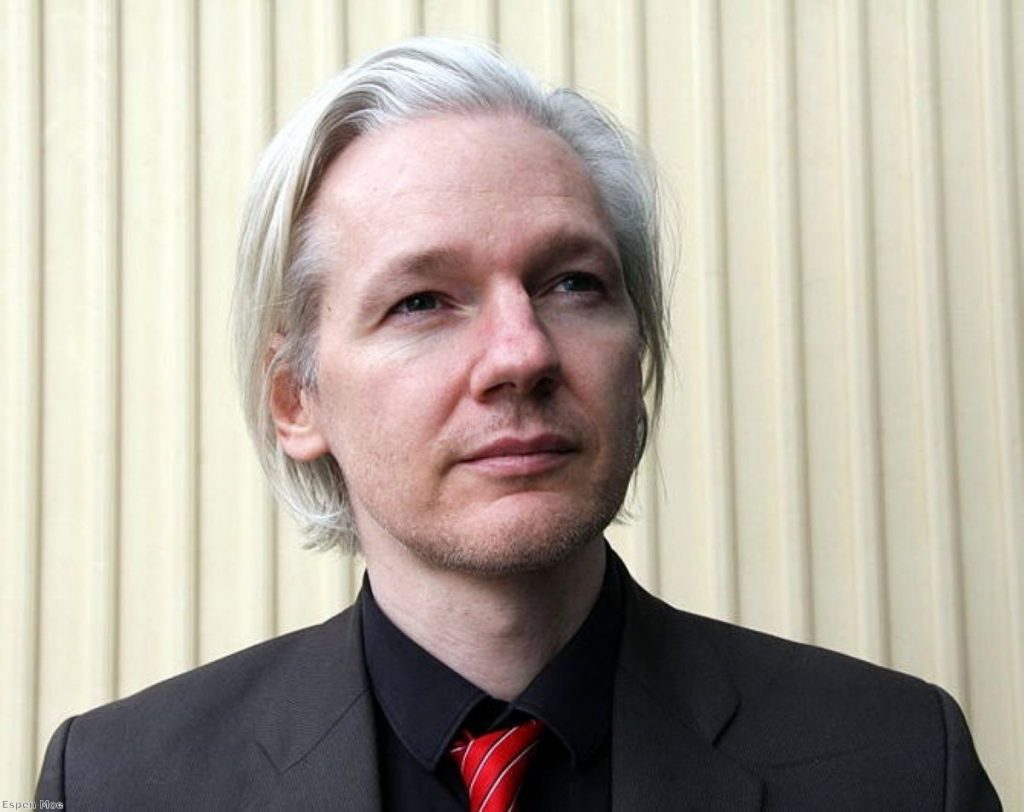
It was, perhaps, the broadest political scandal of the century. On the front page of every newspaper in every country in the world, the same name could be found: Wikileaks. British readers had stumbled across it a few years earlier, when it revealed the names of BNP supporters. This was of an altogether different nature, with tens of thousands of secret US diplomatic cables released on its website and through media allies, such as the Guardian and the New York Times. Every country had its own scandal to deal with, including US attempts to spy on UN officials and Silvio Berslusconi’s suspiciously intimate relationship with Vladimir Putin. In Britain, we saw what our US and Afghan allies though of our effort in Afghanistan (not much), learned that the Chilcot Inquiry was restricted to save American blushes, discovered that the Obama administration was less than impressed with David Cameron, found out the UK government had misled parliament over the ban on cluster munitions and, finally, realised that Prince Andrew was occasionally less than diplomatic. Website founder Julian Assange was turned into a boogieman for some and a hero to others. The story continues to divide pundits, wreak havoc and highlight the conflicts at the heart of information transparency.