Analysis: A guide to ministerial wriggling
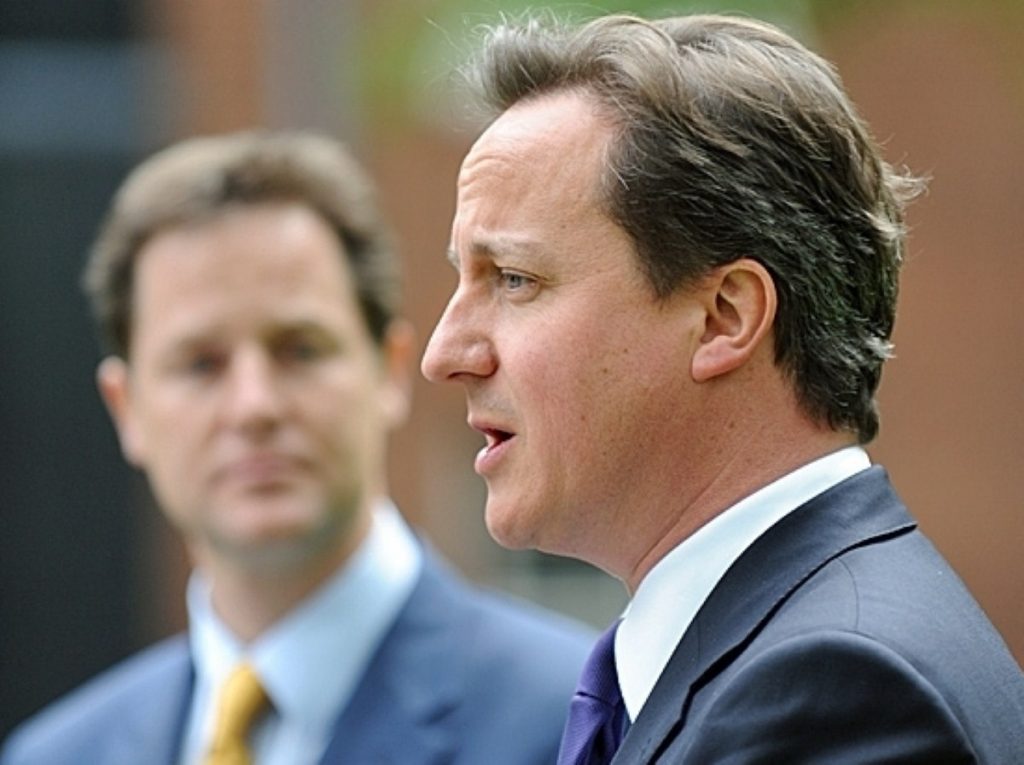
David Cameron’s partial U-turn on alcohol minimum pricing is an early retreat to mid-term governmental wriggling tactics. Is nothing in the coalition agreement wholly safe?
Fifteen months have passed since the then leader of the opposition came out against chief medical officer Sir Liam Donaldson’s backing of a 50p per unit minimum price. This, Sir Liam argued, would price problem drinkers out of the market while having only a limited impact on moderate drinkers. But – with a general election in the offing – Cameron wasn’t buying it. He said it would hit “responsible drinkers” hard. With both Labour and the Conservatives opposing the move it seemed dead in the water.
Which is why it is so strange, now Cameron is in No 10, he is prepared to humour ten north-west council chiefs thinking of introducing the measure. The PM told the Manchester Evening News he thought the idea was a “very good one” and that “we will certainly be looking at it very sympathetically”.

The prime minister’s comments are vague. But it is more than likely he is deploying a classic mid-term wriggling method, a slow U-turn on issues where there is no great need for a climbdown as rapid as it is embarrassing. Letting a handful of local authorities pilot the proposal and gather evidence it is making a difference would provide Cameron with the ammunition to counter U-turn accusations.
“Where I want to try and help is ending the deep discounting on alcohol,” the PM said. Yet the MEN’s report says he remains opposed to the move nationally. For now, at least. Campaigners will have to wait a little longer.
This method of shifting a political position without attracting too much criticism is more characteristic of a government in its second or third year, not its second or third month. The prime minister may have missed the boat on this occasion.
For the formation of the Conservative-Liberal Democrat coalition was an unusual but striking opportunity for ditching policies left, right and centre. In the fevered post-election atmosphere the formation of the coalition’s agenda both parties enjoyed a magnificent policy-dropping bonanza. The election manifestos became second-rate documents in terms of relevance; only the Programme for Government pamphlet, to be found on every civil servant’s desk (and every political journalist’s, too), now really matters.
The downside, of course, is that this document is binding ministers in a way not all are comfortable with. Andrew Lilico, thinktank Policy Exchange’s chief economist, says he found it “virtually incomprehensible” that the Tories did not decide to drop their ringfencing commitment to the NHS.
“They should have used the opportunity of the coalition agreement,” he told politics.co.uk. “The Conservatives should have said, ‘we’re terribly sorry, but we may have to surrender our NHS ringfencing pledge’. It’s absolutely bizarre they’ve decided to press ahead with that.”
Perhaps some commitments are simply too large to get away with. Senior Tories realised dropping the ringfence would have triggered a huge public outcry. Instead, they fudged the pledge to scrap a hike in national insurance contributions – what they called Labour’s “jobs tax” – by coming up with an alternative tax package geared more towards Lib Dem priorities. While it lasted, the coalition’s formation made the consequences of policymaking much lighter.
In the next five years different tactics will have to be deployed when ministers decide they need to change direction, drastically or otherwise. One of the most seismic – and underscrutinised – policy shifts of recent times demonstrates the attractiveness of that biggest game-changer of all – “events, dear boy, events”.
Nick Clegg’s general election campaign rhetoric was dominated by a refusal to talk about cuts. He feared the Tories would cut faster and deeper than necessary, hurting the economic recovery and increasing the chances of a double-dip recession.
In March he was warning that the government should avoid trying to “ram through” cuts. Yet just three months later, those fears have been realised. The emergency Budget has outlined drastic spending cuts exactly in line with the Tories’ pre-election thinking. The VAT hike is denting growth prospects for 2011, which the Bank of England has revised downwards from around 3.4% to around 2.5%. He is the deputy prime minister in the government implementing this programme.
He hasn’t been “torn to pieces”, as he feared ministers would be. How has he got away with it? Through some nifty arguments about those infamous events. A week before the emergency Budget, he told the Institute of Government that the world had changed in the course of just a few short months.
“Markets have stopped believing that all European governments can service their debts,” he said. “They have started to charge much higher rates to those whose plans they distrust…” The soaring premiums for government bonds in countries like Greece and Spain could not be repeated in Britain. Clegg was given the opportunity to change his tune.
Now that those first febrile days of the coalition are over normal business is being resumed. Cameron’s minimum pricing half-U-turn offers one slow-burning option for switching government positions. Events, often politicians’ worst nightmare, can offer brisker opportunities for a quick volte face.